
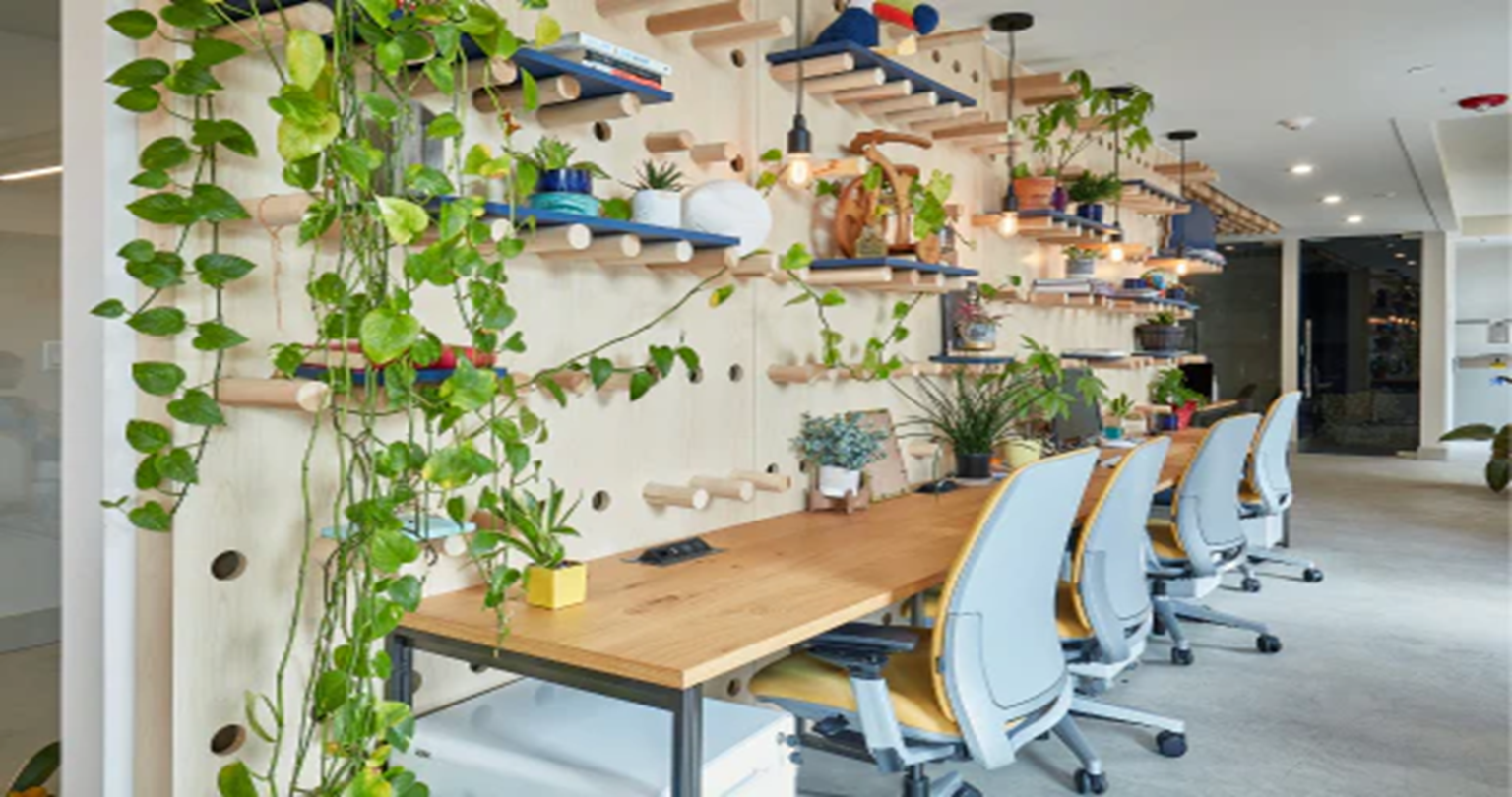
Modern offices are no longer designed only for functionality—they are expected to inspire creativity, improve well-being, and reflect a positive work culture. One of the simplest and most effective ways to achieve this is by adding indoor plants to the workspace. Indoor office plants do more than just enhance visual appeal; they play a vital role in creating a healthier and more refreshing environment for employees and visitors alike.
Research shows that greenery in office spaces can help reduce stress, improve focus, and boost overall productivity. Plants also contribute to better indoor air quality by filtering toxins and increasing oxygen levels, which is especially important in enclosed, air-conditioned workplaces. Beyond health benefits, plants soften rigid office layouts, making workspaces feel warmer, more welcoming, and less monotonous.
In today’s design-conscious work culture, indoor plants have become a key element of well-planned office environments. Many professionals now integrate greenery as part of thoughtful Commercial Interior Design, ensuring that plants complement the office layout, lighting, and branding. Whether it’s a small desk plant or a large floor planter in a reception area, indoor plants help transform ordinary offices into vibrant, balanced, and productive workspaces that employees actually enjoy spending time in.
Benefits of Indoor Office Plants
Indoor office plants provide multiple benefits that go beyond simple decoration. One of the biggest advantages is improved employee well-being. Being surrounded by greenery helps reduce stress, anxiety, and mental fatigue, creating a calmer and more positive work atmosphere. This can lead to better mood levels and higher job satisfaction among employees.
Another important benefit is increased productivity. Natural elements like plants have been shown to improve focus, concentration, and creativity. Employees working in green environments often feel more energized and motivated, which can result in improved work performance and efficiency throughout the day.
Indoor plants also play a role in enhancing air quality. Many plants absorb airborne toxins and release oxygen, helping to create a fresher and healthier indoor environment. In offices where air circulation is limited due to air conditioning, plants can make the space feel more breathable and comfortable. Some plants also help regulate humidity levels, reducing dryness in the air that may cause irritation to the eyes, skin, or throat.
From an aesthetic perspective, indoor plants add warmth and visual appeal to office spaces. They break the monotony of plain walls and furniture, introduce natural color, and make workplaces feel more inviting. Overall, indoor office plants contribute to healthier, more productive, and visually pleasing work environments for employees and visitors alike.
How to Choose the Right Plants for Your Office
Selecting the right indoor plants for an office is not just about aesthetics; it requires thoughtful planning. The first thing to consider is light availability. Offices vary widely in natural light exposure, so it’s important to choose plants that suit low, medium, or bright light conditions. Placing a light-loving plant in a dim corner can quickly lead to poor growth and maintenance issues.
Maintenance requirements are equally important. Offices are busy environments, and plants that need frequent watering or special care may not be practical. Low-maintenance plants that thrive with minimal attention are ideal, as they stay healthy even with irregular care schedules.
Office size and layout should also guide plant selection. Small desk plants work well for individual workstations, while larger floor plants are better suited for corners, reception areas, or open office zones. Plants should enhance the space without blocking movement or creating clutter. This is why plant planning is often aligned with overall workspace planning in Commercial Interior Design, ensuring greenery complements functionality rather than disrupting it.
Another key factor is air-purifying ability. Certain indoor plants help remove toxins and improve indoor air quality, which is especially beneficial in enclosed, air-conditioned offices. Safety should also be considered, particularly in shared spaces. Non-toxic plants are a better choice for offices with frequent visitors.
By choosing plants based on light, maintenance, space, and purpose, offices can create a healthier, visually balanced, and more comfortable work environment.
20 Best Indoor Office Plants
1. Snake Plant (Sansevieria)
Snake Plant is one of the toughest indoor office plants, making it perfect for low light and minimal care. It thrives even with irregular watering and poor lighting. Known for air-purifying qualities, it helps remove toxins and improves indoor air quality while adding a modern, structured look.
2. ZZ Plant (Zamioculcas Zamiifolia)
ZZ Plant is highly popular for offices due to its glossy leaves and exceptional durability. It tolerates low light, dry air, and infrequent watering. This plant grows slowly and requires very little maintenance, making it ideal for busy work environments with limited plant care routines.
3. Pothos (Money Plant)
Pothos is a versatile and easy-to-grow office plant suitable for desks, shelves, or hanging planters. It adapts well to different lighting conditions and needs minimal watering. Its trailing vines soften office interiors while helping improve air quality and create a calming, natural atmosphere.
4. Peace Lily
Peace Lily is admired for its elegant white blooms and rich green foliage. It performs well in low to medium light and signals when it needs watering by drooping slightly. This plant helps improve indoor air quality while adding a refined and professional touch to office spaces.
5. Areca Palm
Areca Palm brings a tropical feel to office interiors with its feathery, arching fronds. It thrives in bright, indirect light and helps improve air humidity. Ideal for reception areas or open offices, this plant creates a refreshing and welcoming environment without overwhelming the space visually.
6. Rubber Plant
Rubber Plant is known for its large, glossy leaves and strong visual impact. It grows well in bright, indirect light and requires moderate watering. This plant is excellent for filling empty corners and adds a bold, sophisticated look to modern office interiors.
7. Spider Plant
Spider Plant is a hardy and adaptable indoor plant that thrives in various lighting conditions. It requires minimal care and produces small plantlets that add visual interest. Known for air-purifying abilities, it is ideal for desks, shelves, and shared office spaces.
8. Lucky Bamboo
Lucky Bamboo is popular in offices for its symbolic meaning of prosperity and good luck. It grows well in water or soil and prefers indirect light. Compact and easy to maintain, it fits perfectly on desks and enhances office décor with a clean, minimalist appearance.
9. Aloe Vera
Aloe Vera is a functional and attractive office plant known for its thick, fleshy leaves. It thrives in bright light and needs infrequent watering. Apart from improving air quality, it adds a fresh, natural element to workspaces while remaining simple to care for.
10. Philodendron
Philodendron is a low-maintenance plant with lush green leaves that adapt well to indoor environments. It grows in low to moderate light and requires occasional watering. Its trailing or upright varieties make it suitable for desks, shelves, and floor planters in offices.
11. Dracaena
Dracaena is a stylish indoor plant with long, slender leaves that add height and structure to office spaces. It performs well in indirect light and needs minimal watering. This plant helps improve air quality while complementing modern and professional office interiors effortlessly.
12. Fiddle Leaf Fig
Fiddle Leaf Fig is a statement plant known for its large, violin-shaped leaves. It prefers bright, indirect light and consistent care. Best suited for spacious offices or reception areas, this plant adds elegance and creates a strong visual focal point in workplace environments.
13. English Ivy
English Ivy is a versatile indoor plant that works well in hanging planters or shelves. It prefers bright, indirect light and moderate watering. Known for improving air quality, it helps reduce airborne pollutants while adding a soft, flowing aesthetic to office interiors.
14. Aglaonema (Chinese Evergreen)
Aglaonema is a highly adaptable office plant with patterned leaves that add subtle color. It thrives in low to medium light and requires minimal care. This plant is ideal for workspaces with limited sunlight and helps maintain a fresh, polished office appearance.
15. Monstera Deliciosa
Monstera Deliciosa is popular for its bold, split leaves and contemporary look. It grows well in bright, indirect light and needs moderate watering. Suitable for larger offices, it adds character and visual interest while creating a relaxed, creative workplace atmosphere.
16. Jade Plant
Jade Plant is a compact succulent with thick, rounded leaves that symbolize growth and success. It prefers bright light and minimal watering. Ideal for desks or windowsills, this plant is long-lasting, low-maintenance, and perfect for professional office environments.
17. Boston Fern
Boston Fern adds lush greenery with its soft, arching fronds. It prefers indirect light and slightly higher humidity levels. Best suited for well-lit offices, this plant enhances air quality and introduces a natural, calming presence to shared workspaces.
18. Anthurium
Anthurium is valued for its glossy leaves and long-lasting colorful flowers. It grows well in bright, indirect light and needs moderate watering. This plant adds a vibrant, polished look to offices while maintaining a professional and welcoming atmosphere.
19. Calathea
Calathea is known for its striking leaf patterns and decorative appeal. It prefers indirect light and consistent watering. Ideal for offices focused on aesthetics, this plant enhances interior beauty while contributing to a calm, refined working environment.
20. Parlor Palm
Parlor Palm is a compact, elegant plant that thrives in low to medium light. It requires minimal maintenance and adapts well to indoor conditions. Perfect for desks or corners, it adds softness and greenery without overwhelming office spaces.
Best Placement Ideas for Indoor Office Plants
Indoor office plants deliver the best results when they are placed thoughtfully. Proper placement improves visual balance, maintains functionality, and ensures plants receive suitable light and care. Instead of randomly adding greenery, offices should plan plant placement according to space usage and movement flow.
Desk plants are ideal for individual workstations where space is limited. Small plants like snake plants, jade plants, or pothos add freshness without crowding desks. These plants help reduce eye strain and make personal work areas feel calmer and more comfortable.
Reception and lobby areas benefit from larger floor plants that create a strong first impression. Plants such as areca palms or rubber plants add height and elegance, making entrances feel welcoming and professional. These areas often receive better natural light, supporting healthy plant growth.
Conference rooms and collaboration zones also benefit from greenery. Medium-sized plants placed in corners or near walls soften the formal environment and promote a relaxed atmosphere during discussions. This placement improves comfort without distracting from meetings.
Unused corners and empty spaces should be utilised with tall plants to maintain visual balance. Vertical planters and wall-mounted greenery are excellent solutions for compact offices, a technique often planned during Commercial Interior Design to enhance aesthetics while keeping floor space clear.
Maintenance Tips for Office Plants
Maintaining indoor office plants does not need to be complicated, but consistency is important. The first rule is proper watering. Overwatering is a common mistake, so always check soil moisture before adding water. Most office plants prefer slightly dry soil rather than constant dampness.
Light management is equally important. Place plants according to their light needs and rotate them occasionally to ensure even growth. Avoid placing plants directly under air conditioners or heaters, as extreme temperature changes can stress them.
Regular cleaning helps plants stay healthy and attractive. Dust can accumulate on leaves and block sunlight, so gently wipe leaves with a soft cloth every few weeks. This also keeps plants looking fresh and professional.
Using the right planters makes maintenance easier. Pots with drainage holes prevent water buildup, while self-watering planters are helpful for busy offices. Adding trays under pots protects furniture and floors.
Finally, monitor plant health regularly. Yellowing leaves, drooping stems, or slow growth are early signs of problems. Removing dead leaves and adjusting care routines quickly can prevent bigger issues. With simple, regular attention, office plants can stay healthy, vibrant, and visually appealing throughout the year. Proper care also supports employee comfort and preserves office aesthetics.
Common Mistakes to Avoid When Using Office Plants
Using indoor plants in office spaces can be highly beneficial, but certain mistakes can reduce their effectiveness. One of the most common errors is overwatering. Many office plants fail not because of neglect, but due to excessive watering, which leads to root rot and poor plant health.
Ignoring light requirements is another frequent mistake. Placing low-light plants in bright sunlight or keeping light-loving plants in dark corners can cause leaf damage and stunted growth. Always match plants to the available lighting conditions.
Choosing plants that are too large for the space can also create problems. Oversized plants may block walkways, disrupt seating arrangements, or make the office feel cluttered. Plant size should always complement the office layout.
Poor placement is equally important to avoid. Plants should not obstruct movement or interfere with daily work activities. Lastly, neglecting regular care such as cleaning leaves or removing dead growth can make plants look unhealthy. Avoiding these mistakes helps maintain a clean, balanced, and professional office environment.
Conclusion: Create a Healthier and More Vibrant Workspace
Indoor office plants are more than decorative additions; they are simple tools for creating healthier, happier, and more engaging workspaces. From improving air quality and reducing stress to boosting focus and morale, the right plants can positively influence how people feel and perform at work. When chosen thoughtfully and placed correctly, plants bring balance, warmth, and energy to even the most functional office layouts.
Whether you add a small desk plant or introduce larger greenery across shared areas, every bit of nature helps soften the work environment. Consistent care and smart placement ensure plants remain an asset rather than a maintenance challenge. Over time, green workspaces feel more inviting, professional, and comfortable for employees and visitors alike.
As offices continue to evolve, incorporating indoor plants is a practical and cost-effective way to support well-being and visual appeal. By making greenery part of your workspace planning, you can create an office that feels fresh, productive, and inspiring every day, consistently always.