
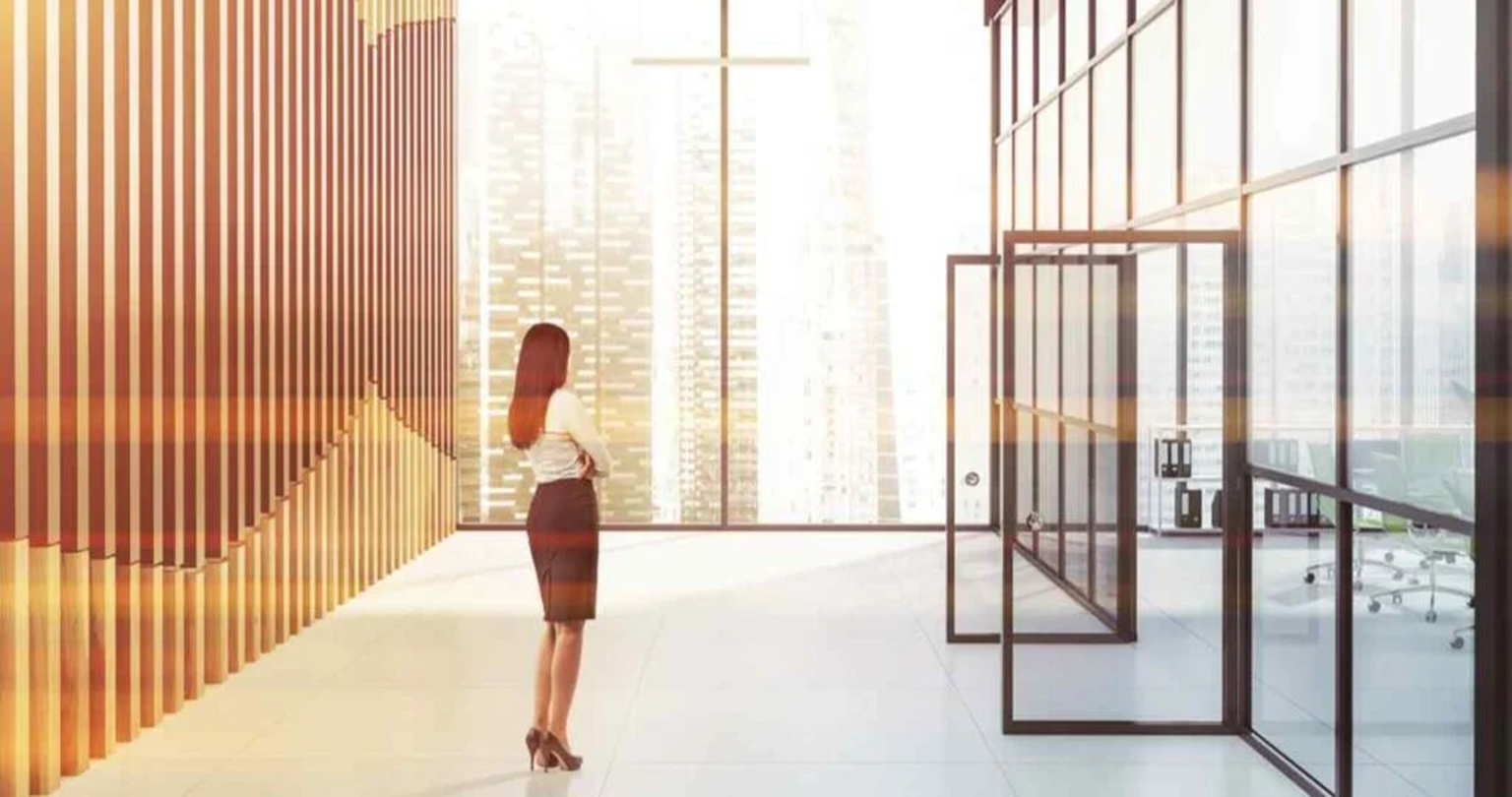
Modern workplaces are evolving rapidly, and design plays a critical role in how employees feel, perform, and collaborate. One of the most impactful elements shaping today’s offices is office glass door design. Unlike traditional solid doors that block light and visibility, glass doors create open, bright, and welcoming environments that reflect transparency and professionalism. As businesses focus more on employee well-being and efficiency, offices are moving toward layouts that feel less restrictive and more connected.
Office glass doors allow natural light to flow freely across workspaces, reducing dependence on artificial lighting and creating a healthier indoor atmosphere. Bright spaces are proven to improve mood, reduce fatigue, and enhance concentration, making glass doors a smart choice for productivity-focused offices. At the same time, they maintain a balance between openness and privacy when designed with frosted, tinted, or acoustic glass solutions.
From startups to corporate offices, glass door designs have become a defining feature of modern workspaces. They align perfectly with contemporary Commercial Interior Design principles, where aesthetics, functionality, and employee comfort work together. Whether used at entrances, cabins, or meeting rooms, office glass doors help businesses project a modern image while building spaces that support collaboration, efficiency, and long-term growth success.
What Is an Office Glass Door Design?
Office glass door design refers to the use of glass-based doors within office interiors to create a modern, open, and visually connected workspace. These doors are made using toughened or laminated glass and are designed to replace traditional wooden or metal doors in professional environments. They are commonly installed at office entrances, meeting rooms, private cabins, and collaborative spaces.
Unlike solid doors, office glass doors allow light to pass through while maintaining a sense of separation between different areas. Depending on the design, they can offer full transparency, partial privacy, or complete visual privacy using frosted or tinted finishes. This flexibility makes them suitable for offices of all sizes.
Office glass door design is widely used in modern workplaces because it enhances aesthetics without compromising functionality. It supports efficient space utilization, improves visual continuity, and contributes to a professional office atmosphere aligned with today’s evolving work culture.
Benefits of Office Glass Door Design in Workspaces
Office glass door design offers multiple benefits that directly enhance the overall quality of a workspace. One of the biggest advantages is improved natural light distribution. Glass doors allow sunlight to travel across different areas of the office, creating a bright environment that feels energetic and welcoming. Well-lit spaces reduce eye strain, improve focus, and positively influence employee mood throughout the workday.
Another major benefit is enhanced transparency and collaboration. When teams can visually connect with each other, communication becomes easier and workplace hierarchy feels less rigid. Glass doors encourage openness while still defining separate functional zones such as meeting rooms and cabins. This balance supports teamwork without sacrificing organization or professionalism.
Office glass door design also helps optimize space, especially in small or medium-sized offices. Transparent doors make spaces appear larger and less crowded, reducing the boxed-in feeling created by solid partitions. Sliding or frameless glass doors further improve movement flow and maximize usable floor area.
From a branding perspective, glass doors give offices a clean, modern, and premium appearance. Clients and visitors often associate glass interiors with trust, innovation, and professionalism. This makes glass doors a strong visual asset in contemporary workplaces.
Most importantly, glass doors support productivity and employee well-being. An open, light-filled office reduces stress and increases engagement. When integrated thoughtfully into overall Commercial Interior Design planning, office glass door design becomes a powerful tool for creating efficient, attractive, and people-focused work environments. It also offers flexibility, allowing offices to adapt layouts easily, control privacy levels, reduce noise, and maintain visual continuity as teams grow, change roles, or adopt hybrid working models over time seamlessly efficiently.
Popular Types of Office Glass Door Designs
Office glass door design is available in multiple styles, each serving a specific purpose in modern workplaces. Selecting the right design helps create a balance between aesthetics, privacy, and functionality while maintaining a clean and professional office environment.
Frameless Glass Doors
Frameless glass doors are widely used in contemporary offices due to their sleek and minimal appearance. With no bulky frames, they create a seamless visual flow and allow maximum natural light. These doors are ideal for meeting rooms, executive cabins, and premium office areas where a modern and sophisticated look is required.
Sliding Glass Doors
Sliding glass doors are an excellent solution for offices with space constraints. Since they move horizontally instead of swinging open, they save floor space and improve movement efficiency. These doors are commonly used in conference rooms, small cabins, and collaborative zones that require flexibility and smooth access.
Frosted Glass Doors
Frosted glass doors are designed for offices that need privacy without blocking light. The frosted finish limits visibility while maintaining brightness, making them suitable for HR cabins, manager offices, and confidential meeting rooms where discretion is important.
Clear Glass Doors
Clear glass doors promote complete transparency and openness. They are often used at office entrances and shared workspaces to enhance connectivity and create a welcoming atmosphere. These doors reflect trust, openness, and a modern work culture.
Choosing the right combination of glass door designs ensures efficient space utilization, visual consistency, and a future-ready office environment that supports comfort, productivity, and evolving workplace needs.
Office Glass Door Design for Different Office Areas
Office glass door design can be customized for various areas of an office to enhance functionality, privacy, and overall visual appeal. Each zone has specific needs, and using the right glass door style helps create a balanced and efficient workspace.
Main Office Entrance
At the main entrance, glass doors create a strong first impression. They make the office look open, professional, and welcoming for clients and visitors. Clear or tinted glass doors are commonly used to reflect transparency while subtly supporting brand identity.
Conference and Meeting Rooms
Glass doors in conference and meeting rooms help maintain openness while keeping discussions contained. Frosted or acoustic glass doors are ideal here, as they provide privacy and noise control without blocking natural light, supporting focused and professional conversations.
Private Cabins and Manager Offices
Private cabins and managerial offices benefit from frosted or partially transparent glass doors. These designs ensure confidentiality while allowing light to flow freely. They help managers stay visually connected with teams without losing privacy.
Pantry and Break Areas
In pantry and break areas, glass doors create a relaxed and airy atmosphere. Sliding glass doors work well in these spaces, saving floor area and improving movement flow, especially in compact office layouts.
Co-working and Collaborative Spaces
Co-working and collaborative areas use glass doors to define zones without restricting interaction. Transparent or sliding glass doors maintain openness and flexibility. When planned as part of a broader Commercial Interior Design approach, these designs ensure every office area remains functional, cohesive, and productivity-driven.
How Office Glass Doors Improve Productivity and Workflow
Office glass doors play a significant role in improving productivity and overall workflow within modern workplaces. One of the key ways they help is by creating a sense of openness and visibility. When employees can see activity around them, it reduces feelings of isolation and encourages better communication between teams, leading to faster decision-making and smoother collaboration.
Natural light is another major factor influencing productivity. Glass doors allow daylight to spread evenly across office areas, reducing dependence on artificial lighting. Well-lit environments help employees stay alert, minimize eye strain, and maintain energy levels throughout the day. This directly impacts focus, efficiency, and job satisfaction.
Office glass doors also support better workflow organization. They clearly define spaces such as meeting rooms, cabins, and collaborative zones without creating visual barriers. This makes it easier for employees to understand office layouts, move efficiently, and access the right spaces when needed. Sliding and frameless glass doors further enhance movement flow, especially in busy offices.
From a behavioral perspective, transparency encourages accountability and professionalism. Employees tend to stay more engaged and organized when working in open, visible environments. When integrated thoughtfully into a broader Commercial Interior Design plan, office glass doors help create a balanced workspace that supports communication, comfort, and productivity while maintaining privacy, structure, and a positive work culture that benefits both employees and management consistently.
Choosing the Right Glass Door for Your Office
Choosing the right glass door for your office requires careful consideration of both functional and design needs. Every workspace is different, and the ideal glass door should support daily operations while enhancing the overall office environment. The first factor to consider is privacy. Areas such as meeting rooms, HR cabins, and managerial offices may require frosted, tinted, or smart glass doors to ensure confidentiality without blocking light.
Office size and layout also play an important role in selection. In smaller offices, sliding or frameless glass doors help save space and improve movement flow. Larger offices can use a combination of clear and frosted glass doors to define zones while maintaining visual continuity across departments.
Aesthetic alignment is equally important. Glass door design should match the office’s branding, color scheme, and interior style. Minimal frames, subtle hardware, or branded glass patterns can enhance the professional look of the workspace. Durability and safety must not be overlooked. Toughened or laminated glass ensures strength, long-term use, and compliance with safety standards.
Budget is another practical consideration. While advanced options like smart glass may cost more initially, they offer long-term flexibility and value. When selected as part of a well-planned Commercial Interior Design strategy, the right office glass door enhances productivity, comfort, and visual harmony, creating a workspace that is efficient, adaptable, and aligned with business goals for sustainable growth and professional appeal over time.
Safety, Maintenance, and Compliance Considerations
Safety is a critical aspect of office glass door design and should never be compromised. High-quality office glass doors are made using toughened or laminated glass, which is significantly stronger than regular glass and designed to break safely if damaged. This ensures protection for employees and visitors while meeting workplace safety standards.
Compliance with local building codes and fire safety regulations is equally important. Office glass doors should be installed according to approved guidelines, especially in commercial spaces where emergency exits and accessibility requirements must be followed. Proper hardware, door closers, and safety markings help maintain compliance and usability.
Maintenance is another advantage of glass doors. They are easy to clean and require minimal upkeep compared to wooden or metal doors. Regular cleaning helps maintain clarity and a professional appearance. Periodic checks of hinges, tracks, and seals ensure smooth operation and long-term durability.
When integrated into a broader Commercial Interior Design plan, well-maintained and compliant glass doors provide lasting value. They support a safe, efficient, and visually appealing workspace while reducing long-term maintenance effort and ensuring consistent performance across everyday office operations.
Office Glass Door Design Trends in Modern Commercial Spaces
Office glass door design continues to evolve as workplaces adapt to changing work styles and technological advancements. One of the most prominent trends is the use of minimal frames. Slim or nearly invisible frames create a clean and modern look while allowing maximum light flow, making offices feel open and spacious.
Smart glass technology is also gaining popularity in commercial spaces. These glass doors can switch from transparent to opaque at the touch of a button, offering instant privacy for meetings and focused work. This trend is especially useful in dynamic offices where flexibility is essential.
Industrial-style glass doors with black metal frames are another growing trend. They add a bold, contemporary character to office interiors and work well in creative and co-working environments. These designs combine durability with strong visual appeal.
Branding on glass doors is becoming increasingly common. Logos, patterns, or frosted brand elements are integrated into glass surfaces to reinforce corporate identity without overwhelming the space. This approach maintains professionalism while adding a personalized touch.
Sustainability is also influencing office glass door choices. Energy-efficient glass and eco-friendly materials are preferred to reduce energy consumption and environmental impact. When aligned with a thoughtful Commercial Interior Design approach, these trends help create modern, adaptable, and future-ready office spaces that support productivity, innovation, and a strong brand presence across evolving commercial environments.
Why Office Glass Doors Are a Smart Investment
Office glass doors are a smart investment for businesses looking to enhance both functionality and visual appeal. While the initial cost may be higher than traditional doors, the long-term benefits justify the investment. Glass doors improve natural light distribution, reducing the need for artificial lighting and helping lower energy consumption over time.
From a business perspective, office glass doors create a modern and professional environment that leaves a strong impression on clients and visitors. A well-designed office reflects credibility, transparency, and innovation, which can positively influence brand perception and client trust.
Glass doors also offer durability and low maintenance. Toughened and laminated glass is designed for long-term use, requiring minimal upkeep compared to wooden doors that may warp or require frequent refinishing. Their timeless design ensures they remain relevant even as interior trends change.
When included as part of a strategic Commercial Interior Design plan, office glass doors add lasting value to the workspace. They support productivity, employee comfort, and flexibility while contributing to a professional office image that aligns with business growth and long-term operational efficiency.
Conclusion: Transform Your Workspace with Office Glass Door Design
Office glass door design is a powerful element in creating bright, modern, and productive office spaces. By allowing natural light, improving visibility, and maintaining a balance between openness and privacy, glass doors enhance both employee experience and workplace efficiency. They help offices feel more spacious, organized, and professional, supporting better communication and smoother workflows.
From entrances and meeting rooms to cabins and collaborative areas, glass doors adapt easily to different office needs. Their durability, low maintenance, and timeless appeal make them a practical choice for long-term use. When integrated thoughtfully into a well-planned Commercial Interior Design approach, office glass door design adds lasting value to the workspace. It not only improves aesthetics but also supports productivity, comfort, and business growth. Upgrading to glass doors is a strategic step toward building a modern office environment that reflects innovation, transparency, and professionalism while meeting evolving workplace demands effectively.