
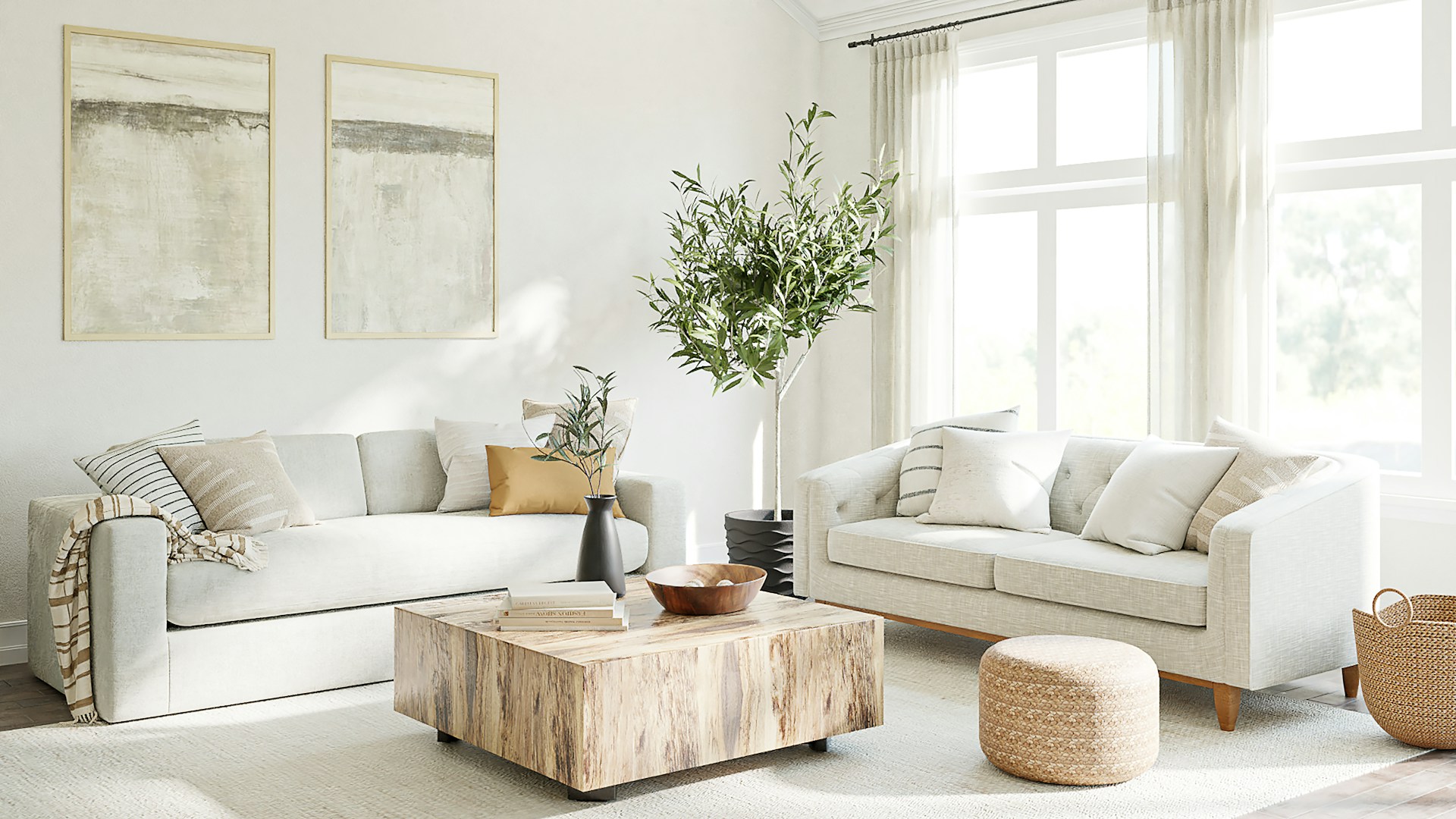
While both commercial and residential interiors aim to create beautiful spaces, their design principles, priorities, and execution methods differ significantly. Understanding these differences is essential for delivering interiors that are not only visually appealing but also highly functional and durable.
Residential interiors are deeply personal. Design decisions are driven by lifestyle, comfort, and emotional connection. Factors such as storage, natural light, privacy, and ease of movement play a major role. Materials and finishes are chosen to create warmth, long-term comfort, and a sense of home, while layouts are planned around daily routines and individual preferences.
Commercial interiors, on the other hand, are performance-driven. They are designed to support productivity, efficiency, safety, and brand identity. Office spaces, retail environments, and hospitality interiors must comply with regulatory standards, accommodate higher footfall, and withstand intensive usage. Space planning focuses on workflow optimization, collaboration, and customer experience.
Durability and maintenance are key differentiators. Commercial projects often require robust materials, modular solutions, and scalable systems to adapt to business growth. Residential interiors prioritize longevity and ease of maintenance while maintaining a refined aesthetic.
Execution timelines also vary. Commercial projects usually follow tighter schedules and demand strict coordination across multiple teams, while residential projects allow more flexibility and personalization.
Ultimately, successful interior design lies in understanding the purpose of the space. Whether commercial or residential, thoughtful planning and expert execution ensure environments that perform beautifully and stand the test of time.