
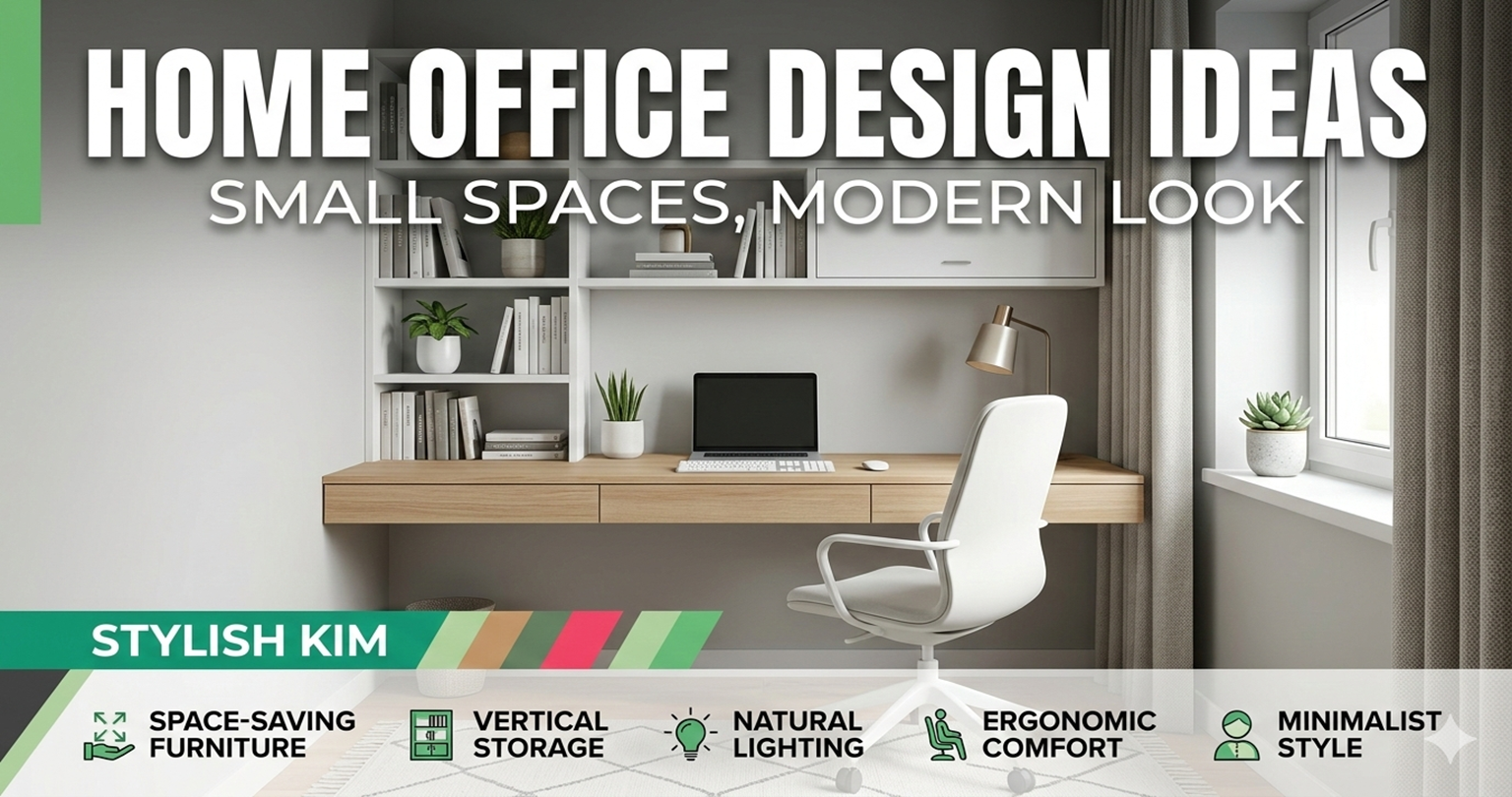
Working from home has become a regular part of life for many professionals. Remote work and hybrid models have increased the need for dedicated home office spaces. However, not everyone has a large extra room to convert into a workspace. This is why smart home office design ideas for small spaces are more important than ever.
A small home office does not mean you have to compromise on comfort or style. With thoughtful planning, even a compact corner can become a modern and productive work area. The key is to use available space efficiently while maintaining a clean and organized look. A well-designed home office helps improve focus, reduce distractions, and create a clear boundary between work and personal life.
Modern design focuses on simplicity, functionality, and comfort. Light colors, smart storage solutions, and multi-purpose furniture can transform limited areas into stylish workspaces. Proper lighting and ergonomic furniture also play a major role in maintaining productivity and health.
Just like professional environments benefit from structured Commercial Interior Design planning, small home offices also require strategic thinking. Every element, from desk placement to wall storage, should support both efficiency and aesthetics.
In this guide, you will discover practical and modern home office design ideas for small spaces that combine functionality, comfort, and style. Whether you work full-time from home or occasionally, these ideas will help you create a workspace that feels organized and inspiring.
Common Challenges in Designing a Small Home Office
Designing a small home office can be challenging, especially when space is limited. One of the biggest issues is lack of floor space. Many people do not have a separate room for work, so they need to fit a desk and chair into a bedroom, living room, or even a hallway corner. Without proper planning, the area can quickly feel cramped and uncomfortable.
Storage is another common problem. Work-related documents, books, devices, and office supplies need proper organization. In small spaces, adding bulky cabinets is not always possible. If storage is not planned carefully, clutter can build up and reduce productivity.
Lighting is also a major concern. Some small home offices are set up in corners that do not receive much natural light. Poor lighting can cause eye strain and reduce focus. Relying only on overhead lighting may not be enough for long working hours.
Distractions at home can make it difficult to stay productive. Without a clearly defined workspace, it becomes harder to separate work from personal life. A poorly planned setup may not provide the privacy or quiet needed for focused tasks.
Budget constraints can also limit design options. Many people want a modern look but need cost-effective solutions. This requires smart decisions about furniture, storage, and decor.
Understanding these challenges is the first step toward creating a functional and stylish small home office. With thoughtful planning and space-saving strategies, even compact areas can become efficient and comfortable workspaces.
Core Principles of Small Home Office Design
Creating a small home office that looks modern and feels comfortable requires more than just placing a desk in a corner. A well-designed workspace should support productivity, reduce distractions, and fit naturally within your home. By following a few core design principles, you can transform even the smallest area into a functional and stylish work environment.
1. Smart Space Planning
The foundation of any small home office is smart space planning. Before buying furniture, carefully measure the available area. Identify unused corners, wall spaces, or underutilized areas that can be converted into a workstation. Even a small niche or part of a bedroom wall can serve as a practical office setup.
Position your desk where it does not block natural movement within the room. Make sure there is enough space to sit comfortably and move your chair. If possible, place the desk near a window to take advantage of natural light. Creating a defined workspace, even within a shared room, helps mentally separate work from relaxation.
Using rugs, small partitions, or wall paint variations can subtly define the office zone without taking up additional space. Planning carefully ensures that your workspace feels organized rather than crowded.
2. Multi-Functional Furniture
In small spaces, every piece of furniture should serve more than one purpose. Multi-functional furniture is a smart solution for maximizing limited square footage. For example, a desk with built-in drawers eliminates the need for separate storage units. Wall-mounted or foldable desks can be folded away when not in use, freeing up space.
Floating desks are especially useful in compact rooms. They create a clean look and make the floor area feel larger. Storage-integrated benches or compact cabinets can double as seating and storage.
Choosing slim and lightweight furniture instead of bulky pieces keeps the area open and modern. Multi-functional solutions help maintain a clutter-free environment while improving efficiency.
3. Lighting Strategy
Lighting plays a crucial role in small home office design. Good lighting improves focus and reduces eye strain during long work hours. Natural light is always the best option, so try to place your desk near a window if possible.
If natural light is limited, layered lighting becomes essential. Combine overhead lighting with task lighting such as a desk lamp. Adjustable desk lamps allow you to direct light exactly where you need it.
Warm lighting creates a cozy atmosphere, while cool lighting improves alertness. The right balance makes the workspace comfortable and productive. Proper lighting also makes the room appear brighter and more spacious.
4. Color and Minimalism
Color choices have a strong impact on how a small space feels. Light colors such as white, soft grey, beige, or pastel shades reflect light and make the room appear larger. Neutral tones create a calm and professional atmosphere.
Minimalism is especially important in compact home offices. Avoid overcrowding the area with decorative items or unnecessary furniture. Keep the desk surface clean and organized. Hidden storage solutions help maintain a tidy look.
A minimalist design approach ensures that the workspace feels open, modern, and distraction-free.
5. Ergonomics and Comfort
Comfort should never be compromised, even in a small space. An ergonomic chair with proper back support is essential for long working hours. Choose a desk height that allows your arms to rest comfortably while typing.
Proper posture reduces strain on the neck, shoulders, and back. Adding a small footrest or adjustable chair can improve comfort further. A comfortable workspace increases productivity and reduces fatigue.
Just like structured planning in Commercial Interior Design focuses on balancing function and aesthetics, small home office design should also combine practicality with style. By following these core principles—smart planning, multi-functional furniture, proper lighting, minimalism, and ergonomic comfort—you can create a modern and efficient workspace, even in limited space.
Modern Home Office Design Ideas for Small Spaces
When designing a home office in a small space, creativity and smart planning make all the difference. Modern home office design ideas focus on clean lines, space-saving solutions, and functional layouts. Below are practical and stylish ideas that can help you create a productive workspace without making your home feel crowded.
1. Floating Desk Setup
A floating desk is one of the best solutions for small home offices. Since it is mounted directly on the wall, it does not require bulky legs or large frames. This creates a clean and open look while saving floor space.
Floating desks work well in bedrooms, living rooms, or even hallways. You can add small wall shelves above the desk for extra storage. Pair the desk with a compact ergonomic chair that can slide underneath when not in use. This setup keeps the area neat and modern while maximizing space efficiency.
2. Built-In Wall Shelves
When floor space is limited, vertical storage becomes essential. Built-in wall shelves are perfect for storing books, files, decor, and office supplies. They keep everything organized without taking up additional room.
Open shelves create a light and airy appearance, especially when painted in the same color as the wall. Closed cabinets can also be installed above the desk to hide clutter. Using vertical storage not only saves space but also enhances the overall design by drawing attention upward.
3. Glass and Reflective Elements
Glass and reflective surfaces can make a small home office feel larger. A glass desk or glass shelving unit reduces visual heaviness and allows light to pass through. This creates the illusion of more space.
Mirrors placed strategically near the workspace reflect natural light and add depth to the room. Even glossy finishes on cabinets or decor elements can brighten the area. These subtle design tricks help maintain a sleek and modern appearance.
4. Scandinavian-Inspired Design
Scandinavian design is ideal for small home offices. It focuses on simplicity, functionality, and light colors. White walls, natural wood finishes, and minimal decor create a calm and organized environment.
A simple wooden desk paired with a neutral chair and soft lighting creates a welcoming atmosphere. Adding a small indoor plant enhances freshness and improves mood. Scandinavian style keeps the space uncluttered while maintaining warmth and comfort.
5. Minimalist Monochrome Look
A monochrome design approach uses different shades of a single color to create harmony. For example, combining white, light grey, and charcoal tones can produce a clean and modern workspace.
This style reduces visual distractions and makes small spaces appear more structured. Minimal decor, hidden storage, and streamlined furniture enhance the overall look. Monochrome designs are especially suitable for professionals who prefer a sleek and contemporary environment.
6. Vertical Storage Solutions
Vertical storage solutions are essential in compact home offices. Wall-mounted organizers, pegboards, and tall cabinets maximize storage without occupying floor space. Pegboards allow you to hang small items such as headphones, planners, or stationery.
Tall bookcases can store files and decor while making the room feel taller. Installing hooks or wall rails keeps frequently used items within reach. These vertical solutions ensure that the workspace remains tidy and efficient.
Modern home office design ideas for small spaces prove that limited square footage does not limit creativity. By combining floating desks, vertical storage, reflective elements, and minimalist styles, you can create a workspace that feels open and inspiring.
Just as strategic planning in Commercial Interior Design ensures balance between function and style in professional spaces, applying similar thoughtful principles at home can transform even the smallest corner into a productive and modern office. With the right design choices, your small home office can look stylish while supporting long-term comfort and efficiency.
Stylish Themes for a Modern Home Office
Choosing the right design theme helps create a home office that feels cohesive, modern, and comfortable. Even in small spaces, a clear theme improves visual balance and makes the workspace look intentional rather than temporary. Below are some stylish themes that work well for compact home offices.
Contemporary Style
A contemporary home office focuses on clean lines, simple furniture, and neutral colors. Shades like white, grey, beige, and soft black create a polished look. Furniture often has smooth surfaces and minimal detailing.
In small spaces, this theme works well because it avoids clutter. A sleek desk, a comfortable chair, and subtle lighting are enough to complete the setup. Adding one statement piece, such as modern wall art, can enhance the overall design without overwhelming the room.
Industrial Style
Industrial design brings a bold and creative feel to a small home office. It often includes exposed metal, wooden finishes, and neutral tones like charcoal or brown. A metal-framed desk paired with wooden shelves creates a balanced look.
However, in small spaces, it is important to avoid making the room too dark. Combine industrial elements with good lighting and light-colored walls to maintain brightness. This theme is ideal for creative professionals who want a slightly edgy workspace.
Scandinavian Style
Scandinavian design is one of the most popular choices for small home offices. It combines simplicity with warmth. Light wood furniture, white walls, and soft textiles create a cozy yet modern environment.
Minimal decoration, clean layouts, and indoor plants enhance the overall feel. This theme makes small rooms look larger and more inviting while supporting productivity.
Japandi Style
Japandi is a blend of Japanese and Scandinavian design. It emphasizes minimalism, natural materials, and neutral colors. This theme focuses on calmness and balance.
Low-profile furniture, light wood finishes, and simple decor create a peaceful workspace. Japandi design is perfect for individuals who prefer a clutter-free and relaxing environment.
Neutral Luxury
Neutral luxury combines soft neutral tones with elegant materials. Think beige walls, textured fabrics, and subtle metallic accents. This theme creates a refined and sophisticated look.
Even in small spaces, adding high-quality finishes and subtle lighting can elevate the overall appearance. Neutral luxury works well for professionals who want a stylish yet professional home office.
Selecting the right theme ensures your small home office feels modern, organized, and aligned with your personal style.
Budget-Friendly Small Home Office Ideas
Designing a modern home office in a small space does not always require a large budget. With smart planning and creative thinking, you can build a stylish and functional workspace without overspending. The key is to focus on practical upgrades that offer long-term value.
Start by repurposing furniture you already own. A compact dining table, console table, or even a sturdy shelf can be transformed into a desk. Adding a comfortable chair and proper lighting can instantly make the setup more work-friendly. Repainting old furniture in neutral shades can also give it a fresh and modern look.
DIY storage solutions are another cost-effective option. Wall-mounted shelves, pegboards, and floating organizers are affordable and easy to install. They help maximize vertical space and reduce clutter without occupying valuable floor area. Simple storage baskets or boxes can keep small items organized while maintaining a clean appearance.
Lighting upgrades do not have to be expensive. A good-quality desk lamp improves focus and adds style to the workspace. Choosing energy-efficient LED bulbs can reduce electricity costs over time while enhancing brightness.
Decor can also be minimal yet impactful. A small indoor plant, framed artwork, or a neutral rug can make the space feel complete without heavy investment. The goal is to maintain balance and avoid overcrowding.
Gradual upgrades are another smart approach. Instead of redesigning everything at once, improve the most essential elements first, such as ergonomics and lighting, then add decor and storage over time.
Applying structured planning methods similar to Commercial Interior Design ensures that even budget-friendly setups remain organized and efficient. With thoughtful decisions, a small investment can create a modern and productive home office.
Common Mistakes to Avoid in Small Home Office Design
Designing a small home office requires careful planning. Even small mistakes can make the space feel cramped, uncomfortable, or distracting. By understanding common errors, you can create a workspace that supports productivity and maintains a modern look.
One common mistake is overcrowding the area with too much furniture. Trying to fit a large desk, extra cabinets, and decorative pieces into a small room can reduce movement and make the space feel tight. It is better to choose compact and multi-functional furniture that fits the available space comfortably.
Poor lighting is another frequent issue. Relying only on overhead lighting can create shadows and strain your eyes during long work hours. A combination of natural light, desk lamps, and soft ambient lighting improves comfort and focus.
Choosing bulky furniture is also problematic. Large desks and heavy chairs can dominate a small room. Slim and lightweight designs help maintain an open and airy atmosphere. Always measure the space carefully before purchasing furniture to avoid size-related issues.
Ignoring ergonomics is a serious mistake. Working for long hours on an uncomfortable chair or improper desk height can cause back and neck pain. Even in a small space, investing in ergonomic essentials is important for long-term health and productivity.
Overusing dark colors can make a compact office feel smaller. While dark tones can add sophistication, they should be balanced with lighter shades and good lighting. Light colors generally work better in small home offices.
Finally, neglecting organization can lead to clutter. Visible wires, scattered documents, and unused items reduce efficiency. Proper cable management and regular decluttering keep the workspace tidy.
Avoiding these mistakes ensures your small home office remains modern, comfortable, and highly functional.
How to Plan Your Small Home Office Setup
Planning your small home office setup carefully can save time, money, and frustration. A structured approach ensures that even limited space is used efficiently while maintaining a modern and comfortable look.
Start by assessing the available space. Identify a quiet corner, an unused wall, or a part of a room that can be dedicated to work. Measure the area accurately before purchasing any furniture. Knowing the exact dimensions helps you choose items that fit properly without overcrowding the room.
Next, define your work requirements. Consider the type of tasks you perform daily. Do you need multiple monitors, storage for files, or space for video calls? Understanding your needs allows you to prioritize essential elements such as desk size, chair comfort, and lighting.
Create a simple layout plan. Sketch the placement of your desk, chair, and storage units. Ensure there is enough room for comfortable movement. If possible, position your desk near a window to take advantage of natural light. Good lighting improves productivity and reduces eye strain.
Set a realistic budget and allocate funds wisely. Focus first on ergonomic essentials such as a supportive chair and proper desk height. Decorative items and additional storage can be added gradually.
Testing your setup before finalizing it is also helpful. Temporarily place furniture in the selected area to evaluate comfort and flow. Make adjustments if necessary.
Applying planning principles similar to those used in Commercial Interior Design ensures a balanced approach that combines functionality with style. With thoughtful preparation and clear goals, your small home office can become an efficient and modern workspace that supports long-term productivity.
Conclusion: Creating a Modern and Productive Home Office
Designing a small home office with a modern look is completely possible with the right approach. Limited space does not have to limit creativity or comfort. By focusing on smart planning, multi-functional furniture, proper lighting, and minimal design, you can create a workspace that feels open, organized, and inspiring.
A well-designed home office supports productivity and helps maintain a healthy work-life balance. When your workspace is comfortable and visually appealing, it becomes easier to stay focused and motivated. Simple changes like using vertical storage, choosing light colors, and maintaining a clutter-free desk can make a big difference.
It is also important to prioritize ergonomics and functionality. Investing in a supportive chair, proper desk height, and good lighting improves both comfort and efficiency. Small details, such as cable management and subtle decor, enhance the overall modern look without overcrowding the space.
With thoughtful planning and gradual improvements, your compact workspace can reflect both professionalism and personal style. The goal is to create a balanced environment that supports daily tasks while feeling welcoming within your home.
By applying the ideas shared in this guide, you can transform even the smallest corner into a productive and modern home office that works for you long term.