
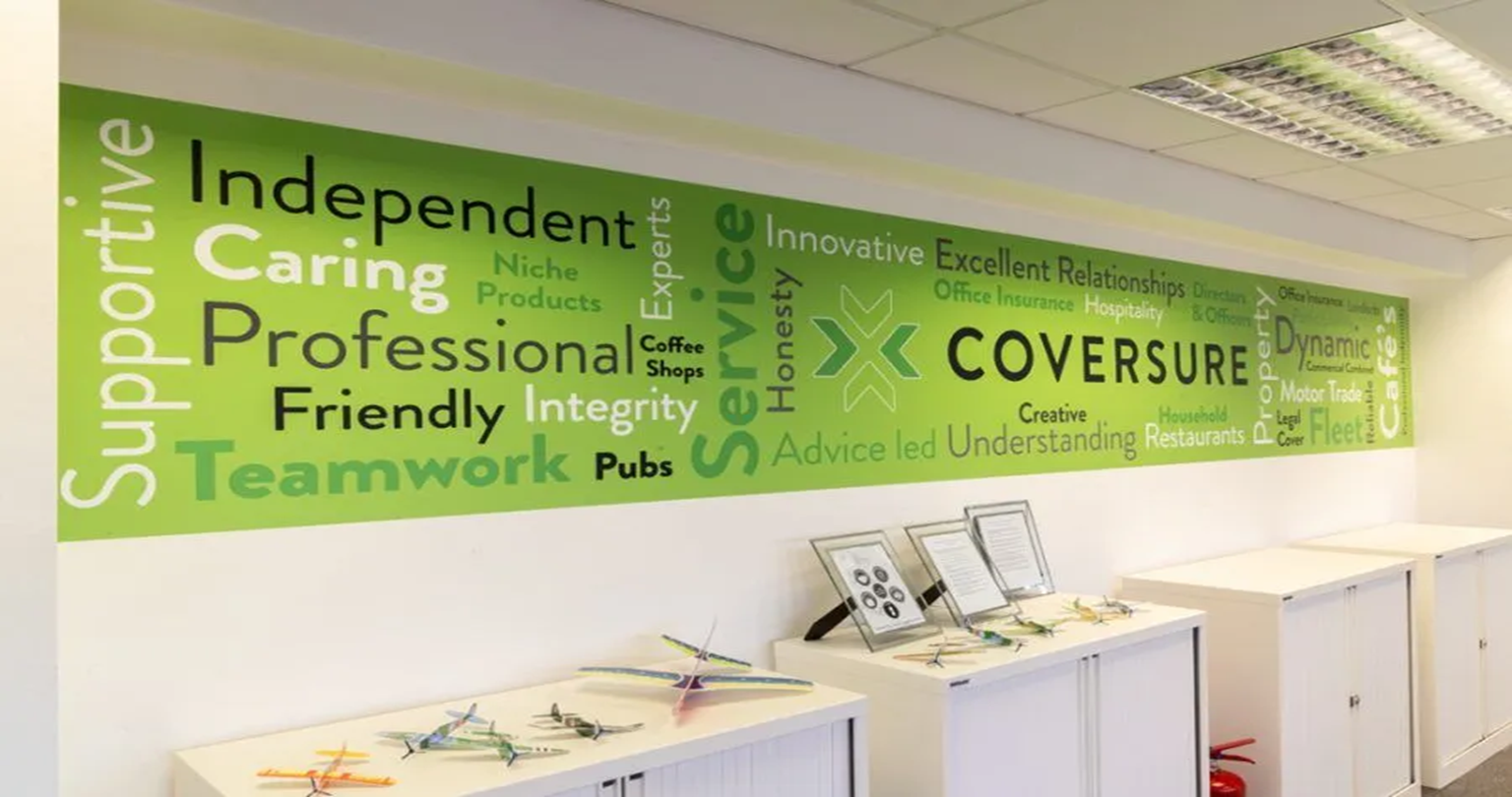
Office branding is no longer a luxury reserved for large corporations; it has become a strategic necessity for modern businesses of every size. The way an office looks, feels, and functions directly influences how employees work and how clients perceive a brand. A thoughtfully branded workspace communicates professionalism, purpose, and confidence without saying a single word.
In today’s competitive environment, offices are not just places to sit and work. They are spaces where ideas are born, teams collaborate, and company culture is experienced daily. When branding is reflected through interiors, colors, layouts, and visual elements, it creates a sense of belonging and pride among employees. This emotional connection often leads to higher motivation, better productivity, and stronger teamwork.
For visitors and clients, office branding creates a powerful first impression. A stylish, well-designed workspace instantly builds trust and reinforces brand credibility. It shows that the company values quality, consistency, and attention to detail. In this blog, you will discover practical office branding ideas that help design stylish workspaces, align interiors with brand identity, and ultimately inspire long-term success. These insights are especially useful for growing companies seeking clarity, consistency, and impact from their office environments in competitive markets worldwide today globally.
What Is Office Branding? Understanding the Concept
Office branding is the process of translating a company’s brand identity into its physical workspace. It goes beyond placing a logo on the wall or using brand colors in furniture. True office branding reflects the company’s values, culture, mission, and personality through design elements that employees and visitors experience every day. From layout planning and color selection to materials, lighting, and graphics, every detail contributes to the overall brand story.
Unlike simple office decoration, which focuses mainly on aesthetics, office branding has a deeper purpose. Decoration may make a space look attractive, but branding makes it meaningful. A branded office communicates who the company is, what it stands for, and how it works. For example, a creative agency may use open layouts and bold visuals, while a corporate firm may prefer structured spaces with subtle, elegant design cues.
Office branding also plays a key role in shaping workplace culture. When employees see brand values reflected in their surroundings, they feel more connected to the organization. This sense of alignment encourages consistency in behavior, communication, and performance. Ultimately, office branding turns a workplace into a living representation of the brand, strengthening identity, unity, and long-term business impact across teams and stakeholders.
Benefits of Strong Office Branding
Strong office branding delivers measurable benefits that go far beyond visual appeal. One of the most important advantages is improved employee motivation and engagement. When a workspace reflects the company’s identity, values, and goals, employees feel more connected to the organization. This sense of belonging increases pride in the workplace and encourages teams to perform at their best every day.
Another major benefit of office branding is the powerful impression it creates on clients and visitors. A well-branded office instantly communicates professionalism, credibility, and trust. It reassures clients that they are working with a company that values quality and consistency. In competitive industries, this positive first impression can strongly influence business decisions and partnerships.
Office branding also improves brand recall and recognition. Visual consistency across interiors, colors, graphics, and messaging helps reinforce the brand in the minds of employees and visitors alike. Over time, this familiarity builds stronger brand awareness and loyalty. Additionally, thoughtfully designed branded spaces encourage collaboration and creativity by making employees feel comfortable, inspired, and focused.
From a long-term perspective, strong office branding supports business growth and success. It aligns people, processes, and space under one clear identity, reducing confusion and improving internal communication. A well-branded office ultimately becomes a strategic asset that supports productivity, culture, and reputation.
Color Psychology: Choosing the Right Colors for Your Office Brand
Color psychology plays a critical role in office branding because colors directly influence emotions, behavior, and productivity. The right color palette can energize teams, improve focus, and communicate brand personality without words. When office colors align with brand identity, employees subconsciously connect with the organization’s values while working in a visually balanced environment.
Different colors serve different purposes in workspaces. Blue promotes trust, calmness, and concentration, making it ideal for corporate offices and finance-related businesses. Green represents balance and wellness, helping reduce stress and eye strain during long working hours. Yellow encourages creativity and optimism, while red adds energy and urgency when used in controlled accents. Neutral shades such as white, grey, and beige provide clarity and professionalism.
Using brand colors effectively is more important than using many colors. Dominant brand shades should appear on feature walls, furniture accents, or signage, while lighter tones balance the space. Overuse of bold colors can cause distraction, so moderation is essential. Lighting also impacts how colors appear, so testing shades under real conditions is important.
A well-planned color strategy creates harmony between aesthetics and functionality. When employees feel comfortable and inspired by their surroundings, productivity improves naturally. Choosing the right colors transforms an ordinary office into a branded workspace that feels purposeful, motivating, and aligned with long-term business goals. This thoughtful approach ensures consistency, strengthens brand perception, and supports daily performance by creating environments employees enjoy, trust, and proudly represent every single day.
Logo Placement & Brand Identity Elements
Logo placement is a key component of office branding because it visually anchors the brand within the workspace. A well-positioned logo reinforces brand identity without overwhelming the environment. Common and effective locations include the reception area, main entrance wall, and key meeting rooms where clients and visitors spend time. These placements ensure immediate brand recognition while maintaining a professional appearance.
Beyond logos, brand identity elements such as taglines, mission statements, and core values help communicate the company’s purpose. Displaying these elements on walls, glass partitions, or digital screens reminds employees of shared goals and reinforces organizational culture. Subtle typography, brand-aligned colors, and clean design styles keep the message clear and impactful.
Wall graphics and visual storytelling also play an important role in expressing brand personality. Timelines, achievement walls, or illustrated brand stories can highlight milestones and inspire teams. However, it is important to avoid over-branding. Too many logos or messages can make the space feel cluttered and distracting rather than inspiring.
Successful office branding focuses on balance. Each brand element should feel intentional and naturally integrated into the design. When logos and identity features are used strategically, they strengthen brand presence, enhance professionalism, and create a cohesive environment that employees and visitors can instantly connect with and remember positively.
Office Layout Planning That Reflects Your Brand Personality
Office layout planning plays a crucial role in expressing a company’s brand personality. The way space is organized influences how employees interact, collaborate, and perceive the company culture. An open layout often reflects transparency, creativity, and teamwork, making it suitable for startups and creative agencies. In contrast, structured layouts with defined cabins communicate professionalism, privacy, and authority, which works well for corporate and consulting firms.
Modern office branding focuses on flexibility rather than rigid layouts. Collaborative zones, breakout areas, and informal meeting spaces encourage communication and innovation. Quiet zones and focused work areas support concentration and productivity. When these spaces are designed intentionally, they reflect how the organization works and what it values. Employees feel more comfortable when the layout supports their daily tasks instead of restricting them.
A brand-driven layout also considers employee movement and experience. Clear pathways, welcoming common areas, and thoughtfully placed workstations improve efficiency and comfort. The reception area, meeting rooms, and leadership spaces should consistently reflect the brand’s tone and identity.
Professional planning through Commercial Interior Design ensures the layout balances aesthetics, functionality, and brand alignment. Experts analyze space usage, team behavior, and business goals to create layouts that support growth. A well-planned office layout becomes more than a functional arrangement; it becomes a physical expression of the brand that strengthens culture, productivity, and long-term success. This approach helps businesses adapt, scale operations smoothly, and maintain consistency as teams and responsibilities evolve over time effectively.
Branded Furniture & Custom Design Elements
Branded furniture and custom design elements play an important role in creating a workspace that feels both functional and visually connected to the brand. Furniture is not just about utility; it contributes to comfort, productivity, and brand expression. When desks, chairs, and storage units align with brand colors, materials, and style, the office feels more cohesive and professional.
Custom-designed furniture allows businesses to reflect their unique identity. Reception desks with branded finishes, meeting tables designed to encourage collaboration, and workstations tailored to team needs help create a strong visual impact. Ergonomic furniture is especially important, as employee comfort directly affects performance and well-being. A branded office should always prioritize health, posture, and ease of movement.
Design elements such as partitions, shelving units, and seating layouts can also be customized to support brand values. For example, open bench-style desks may reflect transparency and teamwork, while modular furniture suggests flexibility and innovation. Materials like wood, metal, or glass further communicate brand personality.
The key is to balance aesthetics with practicality. Overly decorative furniture can reduce functionality, while generic pieces may weaken brand presence. Thoughtfully chosen branded furniture enhances daily work experiences, reinforces identity, and supports long-term efficiency. A well-designed workspace ensures employees feel comfortable, inspired, and aligned with the company’s vision and culture.
Wall Branding Ideas That Inspire Success
Wall branding is one of the most powerful ways to communicate brand identity and inspire employees within an office environment. Walls provide large visual surfaces that can be transformed into storytelling tools rather than remaining plain and unused. When designed thoughtfully, wall branding reinforces company values while creating a motivating and engaging atmosphere.
Motivational quotes, brand messages, and vision statements displayed on walls remind employees of shared goals and purpose. These elements help build a positive mindset and encourage consistent performance. Feature walls using brand colors, textures, or patterns can highlight important areas such as reception zones or collaboration spaces. Accent walls add depth and visual interest without overwhelming the design.
Visual storytelling is another effective wall branding approach. Company timelines, achievement walls, or illustrated brand journeys celebrate milestones and progress. Digital screens can also be used to display updates, campaigns, or interactive content, keeping the branding dynamic and current. Creative use of murals, typography, and graphics adds personality and uniqueness to the workspace.
However, balance is essential. Overcrowding walls with excessive text or visuals can create distraction. Clean layouts with intentional spacing ensure clarity and impact. Well-executed wall branding transforms office spaces into inspiring environments that motivate teams, impress visitors, and consistently communicate the brand’s story, values, and ambitions while supporting creativity, confidence, and long-term success.
Lighting Design: Creating the Right Mood and Energy
Lighting design plays a vital role in shaping the mood, energy, and functionality of an office space. Proper lighting improves visibility, reduces eye strain, and directly affects employee focus and productivity. A well-lit workspace feels welcoming, comfortable, and aligned with the brand’s professional image.
Natural light is one of the most effective lighting elements in office design. It boosts mood, supports mental well-being, and helps employees stay alert throughout the day. Workstations placed near windows make better use of daylight, while transparent partitions allow light to flow across the space. When natural light is limited, high-quality artificial lighting becomes essential.
Different lighting types serve different purposes. Ambient lighting provides overall illumination, task lighting supports focused work, and accent lighting highlights branding elements such as logos or feature walls. Warm lighting creates a relaxed atmosphere, while cool lighting improves concentration and alertness in work areas.
Smart lighting solutions add flexibility by adjusting brightness based on time, activity, or occupancy. This improves energy efficiency and comfort. Thoughtful lighting design enhances both aesthetics and performance, creating an environment that feels balanced and inspiring. When lighting supports daily tasks and branding goals, it becomes a powerful tool for productivity and positive workplace experiences.
Biophilic Design & Green Branding Elements
Biophilic design focuses on connecting people with nature inside the workplace, making offices healthier, calmer, and more inspiring. Incorporating natural elements into office branding helps reduce stress, improve focus, and enhance overall employee well-being. Green branding also reflects a company’s commitment to sustainability and responsible business practices.
Indoor plants are the simplest and most effective biophilic elements. They improve air quality, soften hard interiors, and create a refreshing atmosphere. Green walls or vertical gardens make a strong visual statement while reinforcing eco-friendly brand values. Natural materials such as wood, stone, and natural fabrics further strengthen the connection with nature.
Biophilic design also includes maximizing natural light, using organic shapes, and creating views of outdoor greenery wherever possible. These elements help employees feel more relaxed and energized during long working hours. A workspace that integrates nature encourages creativity and reduces fatigue.
From a branding perspective, green elements communicate care, balance, and long-term thinking. Employees feel proud to work in environmentally conscious offices, and clients perceive the brand as progressive and thoughtful. When applied correctly, biophilic design supports both aesthetics and performance, turning offices into spaces that nurture people, productivity, and positive brand perception.
Technology-Driven Branding in Office Spaces
Technology-driven branding enhances modern office environments by making them interactive, efficient, and visually engaging. Smart technology allows brands to communicate dynamically rather than relying only on static design elements. Digital screens placed in reception areas or common spaces can showcase brand stories, achievements, campaigns, and real-time updates, keeping the workspace lively and current.
Smart office solutions also improve functionality. Automated lighting, climate control, and access systems enhance comfort while reflecting innovation and efficiency. Meeting rooms equipped with advanced presentation tools support collaboration and reinforce a forward-thinking brand image. These elements show that the company values productivity, adaptability, and modern work practices.
Interactive branding experiences, such as touch displays or digital notice boards, encourage employee engagement and communication. Technology can also support flexible working by enabling seamless connectivity across teams. However, technology should be integrated thoughtfully to avoid visual clutter or complexity.
When aligned with brand values, technology strengthens identity and improves daily experiences. A well-integrated tech-driven office balances innovation with simplicity, creating a workspace that feels modern, efficient, and inspiring. This approach helps businesses communicate progress, confidence, and readiness for future growth clearly.
Mistakes to Avoid in Office Branding
Office branding can lose its impact if common mistakes are not carefully avoided. One major error is over-branding the space with too many logos, colors, or messages. This can make the office feel cluttered and distracting rather than professional and inspiring. Branding should be subtle, balanced, and thoughtfully placed.
Another mistake is ignoring employee comfort and functionality. A visually attractive office that lacks ergonomic furniture, proper lighting, or quiet work areas can negatively affect productivity. Office branding should always support daily work needs, not compromise them for aesthetics. Inconsistent branding is also a common issue. When colors, fonts, or design styles vary across different areas, the brand message becomes unclear.
Poor space utilization can further weaken office branding. Crowded layouts, unused areas, or awkward movement paths reduce efficiency and comfort. Lastly, copying design trends without aligning them with brand identity often leads to spaces that look impressive but feel disconnected. Avoiding these mistakes ensures office branding remains meaningful, practical, and effective.
How Professional Commercial Interior Design Enhances Office Branding
Professional Commercial Interior Design plays a crucial role in transforming office branding ideas into functional and impactful workspaces. While branding concepts may look appealing on paper, experienced interior designers understand how to translate brand identity into practical design solutions that support daily operations. They analyze business goals, team structure, workflow, and space utilization before planning layouts and design elements.
One of the biggest advantages of working with professionals is strategic planning. Designers ensure that colors, layouts, furniture, lighting, and branding elements work together cohesively. This prevents costly mistakes such as poor space usage or mismatched design styles. Professional planning also improves long-term flexibility, allowing offices to adapt as teams grow or work patterns change.
Commercial interior experts balance aesthetics with ergonomics and compliance standards. They focus on employee comfort, safety, and productivity while maintaining brand consistency. Their industry knowledge helps in selecting durable materials and cost-effective solutions that deliver long-term value.
Most importantly, professional Commercial Interior Design ensures that the office becomes a true reflection of the brand. The result is a workspace that inspires employees, impresses clients, and supports business success through thoughtful, efficient, and brand-driven design execution.
Conclusion: Designing Workspaces That Inspire Success
Office branding is more than visual design; it is a strategic investment in people, culture, and business growth. A well-branded workspace aligns brand identity with daily work experiences, creating an environment where employees feel motivated, connected, and productive. From colors and layouts to lighting, furniture, and technology, every element plays a role in shaping how a brand is experienced internally and externally.
Stylish and thoughtfully designed offices also leave a lasting impression on clients and partners, building trust and credibility. When branding is applied with clarity and purpose, the office becomes a living extension of the company’s values and vision. Businesses that focus on meaningful office branding create spaces that support collaboration, creativity, and long-term success.
By planning carefully and maintaining consistency, organizations can transform ordinary offices into inspiring workplaces. Investing in office branding today helps build stronger teams, clearer brand identity, and a future-ready workspace that grows with the business.