
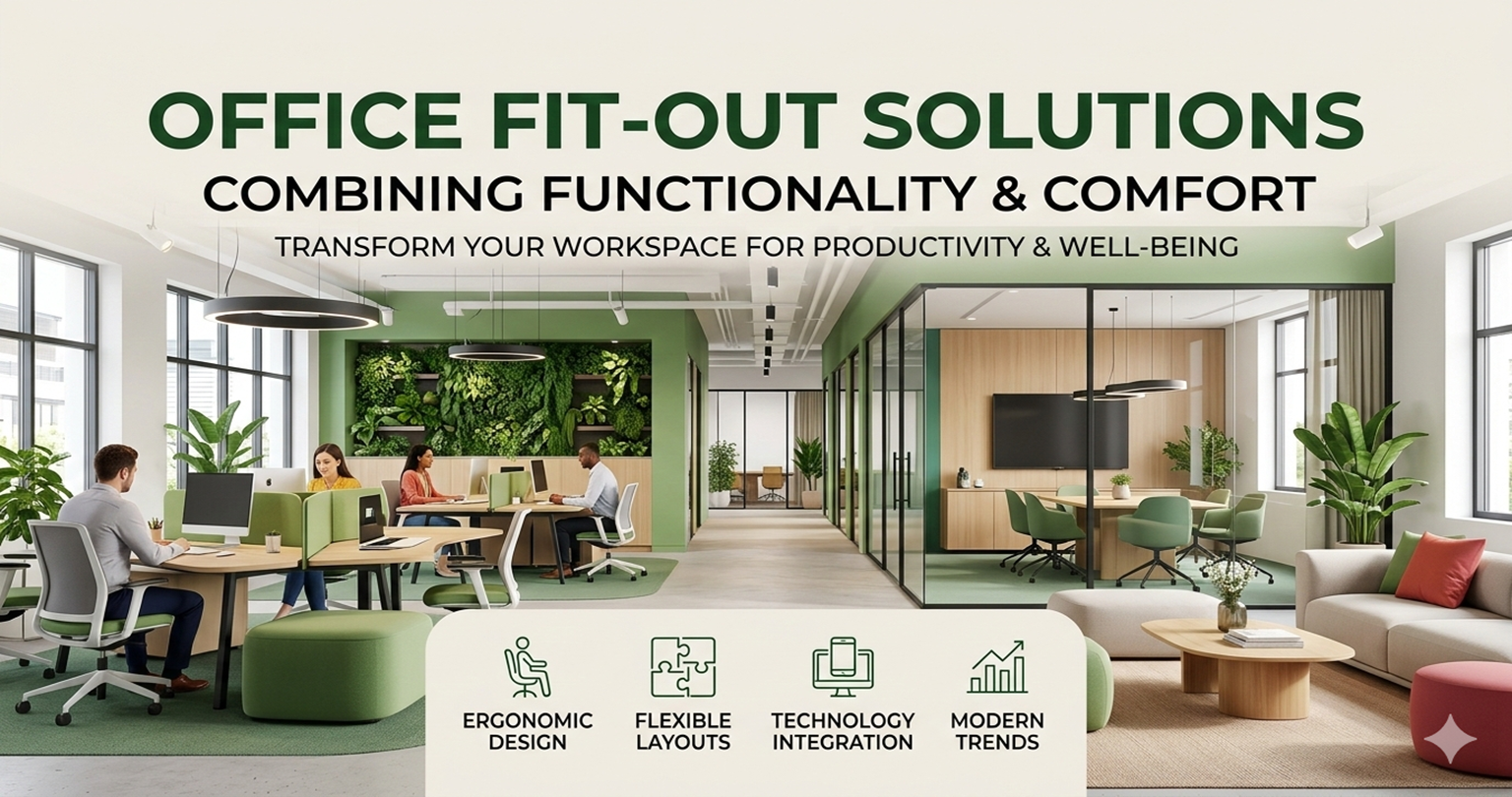
The modern workplace has changed significantly over the past few years. Businesses are no longer satisfied with basic office setups that only provide desks and chairs. Today, companies want workspaces that combine functionality and comfort. This is where office interior fit-out solutions play an important role. A well-planned fit-out transforms an empty or outdated space into a productive, comfortable, and visually appealing environment.
An effective office fit-out is not just about aesthetics. It focuses on creating a layout that supports daily operations, improves employee well-being, and enhances collaboration. Comfortable furniture, proper lighting, smart storage, and efficient space planning all contribute to better performance. When employees feel comfortable and supported, their productivity naturally increases.
Office fit-outs also create strong first impressions. Clients, partners, and visitors often judge a business by its workspace. A modern and organized office reflects professionalism, reliability, and brand identity. On the other hand, poorly designed spaces can negatively impact business reputation.
Professional planning, including expert Commercial Interior Design strategies, ensures that the office balances both function and comfort. From layout planning to material selection, every detail matters.
In this guide, you will learn what office interior fit-out solutions involve, the core elements that make them successful, and the business benefits they deliver. By understanding the right approach, you can create a workspace that supports both employees and long-term growth.
What Is an Office Interior Fit-Out?
An office interior fit-out refers to the process of transforming an empty or unfinished commercial space into a fully functional workplace. It involves designing and installing all the necessary elements such as partitions, flooring, ceilings, lighting, furniture, electrical systems, and branding features. In simple terms, it is the complete setup that makes an office ready for daily operations.
There are generally two main types of office fit-outs. The first is Category A fit-out. This includes basic installations provided by the building owner, such as lighting, raised floors, suspended ceilings, air conditioning, and essential electrical systems. Category A creates a functional but neutral space that is ready for customization.
The second type is Category B fit-out. This is where the actual workplace design comes to life. It includes space planning, meeting rooms, workstations, reception areas, breakout zones, furniture, branding elements, and decorative finishes. Category B focuses on aligning the office with the company’s culture, workflow, and identity.
Businesses choose office interior fit-out solutions for many reasons. Some move into new spaces and need complete customization, while others renovate outdated offices to improve comfort and efficiency. A proper fit-out ensures that the layout supports teamwork, productivity, and employee well-being.
Strategic planning is essential during this process. Every decision, from layout to material selection, should align with business goals and budget. A well-executed office fit-out not only improves functionality but also creates a professional and inspiring work environment.
Core Elements of a Functional Office Fit-Out
A successful office interior fit-out is built on strong foundational elements. It is not only about creating a visually appealing office but also about ensuring the space supports productivity, comfort, and efficiency. When planning an office fit-out, certain core elements must be carefully considered to achieve the right balance between functionality and comfort.
1. Space Planning and Layout Design
Space planning is the backbone of any functional office fit-out. A well-designed layout ensures smooth workflow and easy movement within the office. Before placing furniture or building partitions, it is important to understand how different teams operate and interact.
Zoning plays a key role in layout design. Offices should have clearly defined areas for focused work, collaboration, meetings, and relaxation. Departments that work closely together should be positioned nearby to improve communication. At the same time, quiet zones should be placed away from high-traffic areas to reduce distractions.
Efficient space planning prevents overcrowding and makes the office feel organized and spacious. It also ensures that every square foot is used effectively, especially in compact office environments.
2. Ergonomic Furniture and Comfort
Employee comfort directly affects productivity and overall well-being. Ergonomic furniture is essential in modern office interior fit-out solutions. Adjustable chairs with proper lumbar support help reduce back strain. Height-adjustable desks allow employees to alternate between sitting and standing, promoting better posture.
Workstations should provide enough desk space for daily tasks without feeling cramped. Comfortable seating in meeting rooms and breakout areas also enhances the overall work experience.
Investing in ergonomic solutions reduces health-related issues and absenteeism. When employees feel physically comfortable, they are more focused and motivated throughout the day.
3. Lighting and Ventilation
Lighting has a major impact on mood and performance. Natural light should be maximized wherever possible, as it improves energy levels and reduces eye strain. Large windows, glass partitions, and open layouts help distribute light evenly throughout the office.
Artificial lighting should be layered. General ceiling lighting provides overall brightness, while task lighting at desks supports detailed work. Accent lighting can highlight reception areas or branding elements.
Proper ventilation is equally important. Good air circulation improves indoor air quality and creates a healthier environment. A well-planned fit-out ensures that heating, cooling, and ventilation systems function efficiently to maintain comfort throughout the day.
4. Acoustic Planning
Noise control is often overlooked but is critical in office environments. Open-plan layouts can sometimes lead to high noise levels, affecting concentration. Acoustic panels, carpets, ceiling tiles, and soundproof partitions help manage sound effectively.
Meeting rooms and private cabins should have adequate sound insulation to ensure confidential discussions. Phone booths or quiet pods can also be added to support focused work.
Proper acoustic planning creates a balanced environment where collaboration is encouraged without disturbing productivity.
5. Technology Integration
Modern offices rely heavily on technology. A functional office fit-out must include seamless technology integration. Meeting rooms should be equipped with video conferencing systems, digital screens, and reliable internet connectivity.
Cable management systems keep wires organized and hidden, maintaining a clean and professional look. Smart lighting and climate control systems can also improve energy efficiency and convenience.
Professional expertise in Commercial Interior Design ensures that technology is integrated smoothly without compromising aesthetics or functionality.
By combining effective space planning, ergonomic comfort, proper lighting, sound management, and smart technology, businesses can create office interior fit-out solutions that truly support both performance and employee well-being.
Office Fit-Out Solutions That Enhance Comfort
While functionality ensures smooth daily operations, comfort is what makes employees enjoy coming to work. A successful office interior fit-out combines both elements thoughtfully. Comfort-focused solutions create a positive work environment, improve employee satisfaction, and support long-term productivity. Below are key fit-out solutions that enhance workplace comfort without compromising efficiency.
1. Breakout and Collaboration Areas
Modern offices are no longer limited to rows of desks and formal meeting rooms. Breakout areas provide informal spaces where employees can relax, brainstorm, or have casual discussions. These spaces encourage creativity and teamwork in a more comfortable setting.
Soft seating, lounge chairs, coffee tables, and flexible furniture arrangements create a welcoming atmosphere. These areas should feel less formal than workstations but still professional.
Collaboration zones equipped with whiteboards, digital screens, and movable furniture allow teams to share ideas easily. By including breakout and collaboration spaces in your office fit-out, you create balance between focused work and interactive teamwork.
2. Wellness-Focused Design
Employee well-being plays a major role in modern office design. Wellness-focused fit-out solutions prioritize physical and mental health. Ergonomic chairs, sit-stand desks, and proper lighting reduce physical strain during long working hours.
Adding relaxation rooms or quiet spaces gives employees a place to recharge during busy days. Some offices also include small fitness areas or meditation rooms to promote healthy habits.
Good ventilation systems and indoor air quality improvements contribute to a healthier workspace. When employees feel physically comfortable and mentally refreshed, their performance improves naturally.
3. Biophilic Design Elements
Biophilic design focuses on bringing nature into the workplace. Adding natural elements such as indoor plants, green walls, wooden finishes, and natural textures creates a calming atmosphere.
Plants improve air quality and reduce stress levels. Large windows that allow natural light to enter enhance mood and productivity. Even simple additions like natural color palettes or stone textures can create a more inviting environment.
Biophilic elements make the office feel less rigid and more welcoming. This design approach supports comfort while maintaining a professional appearance.
4. Flexible and Hybrid Workspaces
With hybrid work models becoming common, flexibility is essential. Office fit-out solutions should include adaptable workspaces that cater to different working styles.
Hot-desking systems allow employees to choose available workstations as needed. Modular furniture and movable partitions make it easy to reconfigure spaces for meetings or team projects.
Private pods or quiet rooms support focused tasks, while open collaboration areas encourage teamwork. Flexible design ensures that the office remains functional as business needs evolve. It also makes employees feel empowered to choose work settings that suit their tasks.
5. Reception and Client Experience Zones
Comfort extends beyond employees to clients and visitors. The reception area creates the first impression of your business. A well-designed reception with comfortable seating, good lighting, and clear branding elements reflects professionalism and warmth.
Waiting areas should feel inviting rather than formal and rigid. Soft furnishings, subtle decor, and organized layouts enhance the overall experience.
A thoughtfully designed reception area not only enhances comfort but also strengthens brand image. It shows that the company values both employees and visitors.
By incorporating breakout zones, wellness-focused features, biophilic elements, flexible layouts, and welcoming reception areas, businesses can create office interior fit-out solutions that combine functionality with comfort. A balanced workplace supports productivity while making employees and clients feel valued and inspired.
Modern Office Fit-Out Trends
Office interior fit-out solutions continue to evolve as businesses adapt to new work styles and employee expectations. Modern trends focus on flexibility, sustainability, and creating spaces that feel both professional and welcoming. Staying updated with these trends helps companies build work environments that are future-ready and competitive.
One major trend is the use of sustainable materials. Businesses are choosing eco-friendly flooring, recycled materials, low-VOC paints, and energy-efficient lighting systems. Sustainable design not only reduces environmental impact but also improves indoor air quality. It reflects a company’s commitment to responsibility and long-term growth.
Modular workspaces are also becoming popular. Instead of fixed layouts, offices now use movable partitions, modular desks, and adaptable seating arrangements. This flexibility allows businesses to reconfigure spaces easily as teams grow or projects change. It is a practical solution that saves renovation costs in the future.
Glass partitions are another modern fit-out trend. They create separation without blocking light, making the office feel open and spacious. Glass meeting rooms and cabins maintain privacy while supporting transparency and collaboration.
Residential-inspired offices are gaining attention as well. Soft seating, warm lighting, textured fabrics, and comfortable lounge areas create a more relaxed atmosphere. This approach makes the workplace feel less rigid and more inviting, which improves employee satisfaction.
Smart office solutions are also transforming workspaces. Automated lighting, climate control systems, and digital booking tools improve efficiency and energy management. Seamless technology integration ensures the office supports hybrid work models.
By incorporating these modern trends, businesses can create office fit-out solutions that are stylish, comfortable, and aligned with today’s work culture.
Business Benefits of a Well-Planned Office Fit-Out
A well-planned office interior fit-out is more than just a design upgrade. It is a strategic investment that delivers long-term business benefits. When functionality and comfort are combined effectively, the workplace becomes a powerful tool for growth and success.
One of the biggest advantages is improved productivity. A thoughtfully designed layout reduces distractions and supports smooth workflow. Comfortable furniture, proper lighting, and well-defined zones allow employees to focus better on their tasks. When people work in an organized and supportive environment, efficiency naturally increases.
Employee retention is another important benefit. Today’s workforce values comfort and work-life balance. An office that includes ergonomic seating, breakout spaces, and wellness-focused features shows that the company cares about its team. When employees feel valued and comfortable, they are more likely to stay with the organization long term, reducing recruitment and training costs.
A professional office fit-out also strengthens brand identity. The workspace reflects the company’s values, culture, and vision. Modern design elements, branded interiors, and welcoming reception areas create a strong impression on clients and partners. A well-designed office builds trust and credibility.
Client experience also improves with a strategic fit-out. Organized meeting rooms, comfortable waiting areas, and advanced technology integration demonstrate professionalism. Positive impressions can influence business relationships and decision-making.
Finally, a well-executed office fit-out provides better return on investment. Efficient space utilization reduces wasted areas and lowers operational costs. Flexible layouts minimize the need for frequent renovations as the business grows.
In simple terms, investing in office interior fit-out solutions enhances productivity, strengthens brand image, improves employee satisfaction, and supports sustainable business growth.
Common Office Fit-Out Mistakes to Avoid
Planning an office interior fit-out requires careful decision-making. Without proper strategy, businesses may face unnecessary expenses, discomfort, and poor functionality. Avoiding common mistakes ensures the workspace supports both employees and long-term goals.
One major mistake is poor planning. Starting a fit-out project without understanding workflow, team size, and future growth can lead to inefficient layouts. Offices may feel crowded or lack essential areas such as meeting rooms or storage spaces. Proper space planning should always come first.
Ignoring employee comfort is another common error. Choosing stylish but uncomfortable furniture can negatively impact productivity and health. Ergonomic chairs, proper lighting, and adequate ventilation should never be overlooked.
Budget mismanagement can also cause problems. Overspending on decorative elements while ignoring functional requirements often leads to imbalance. A clear budget plan helps prioritize essential components such as layout design, technology integration, and quality materials.
Overdesigning the space is another mistake. Too many design elements, bold patterns, or unnecessary partitions can create clutter. A balanced approach ensures the office looks professional without feeling overwhelming.
Finally, failing to plan for future flexibility can limit growth. Businesses evolve, and office layouts should adapt accordingly. Modular furniture and flexible partitions make it easier to adjust the space when needed.
By avoiding these mistakes, companies can create office interior fit-out solutions that are practical, comfortable, and future-ready.
Common Office Fit-Out Mistakes to Avoid
Planning an office interior fit-out requires careful decision-making. Without proper strategy, businesses may face unnecessary expenses, discomfort, and poor functionality. Avoiding common mistakes ensures the workspace supports both employees and long-term goals.
One major mistake is poor planning. Starting a fit-out project without understanding workflow, team size, and future growth can lead to inefficient layouts. Offices may feel crowded or lack essential areas such as meeting rooms or storage spaces. Proper space planning should always come first.
Ignoring employee comfort is another common error. Choosing stylish but uncomfortable furniture can negatively impact productivity and health. Ergonomic chairs, proper lighting, and adequate ventilation should never be overlooked.
Budget mismanagement can also cause problems. Overspending on decorative elements while ignoring functional requirements often leads to imbalance. A clear budget plan helps prioritize essential components such as layout design, technology integration, and quality materials.
Overdesigning the space is another mistake. Too many design elements, bold patterns, or unnecessary partitions can create clutter. A balanced approach ensures the office looks professional without feeling overwhelming.
Finally, failing to plan for future flexibility can limit growth. Businesses evolve, and office layouts should adapt accordingly. Modular furniture and flexible partitions make it easier to adjust the space when needed.
By avoiding these mistakes, companies can create office interior fit-out solutions that are practical, comfortable, and future-ready.
Please share 8th section as per outline in 250 words only in proper format
How to Plan Your Office Interior Fit-Out Project
Planning an office interior fit-out project requires a clear and structured approach. Without proper planning, the process can become stressful and expensive. The first step is to assess your business needs. Identify how many employees will use the space, what type of work they perform, and what facilities are required. Consider meeting rooms, collaboration areas, storage, and reception zones.
Next, set a realistic budget. Break down costs into categories such as construction, furniture, lighting, technology, and design services. Having a clear budget prevents overspending and ensures that essential elements are prioritized.
Creating a timeline is equally important. Office fit-out projects should be planned in phases to reduce disruption to daily operations. Decide when work will begin, how long each stage will take, and when the space will be ready for use.
Hiring experienced professionals can make the process smoother. Experts in Commercial Interior Design understand how to combine functionality, comfort, and brand identity. They also ensure compliance with safety regulations, building codes, and accessibility standards.
Finally, review the design plan carefully before execution. Make sure it supports both current requirements and future expansion. With careful planning, proper budgeting, and expert guidance, your office interior fit-out project can deliver a workspace that is efficient, comfortable, and aligned with your business goals.
Conclusion: Creating a Balanced and Future-Ready Office
An office interior fit-out is more than just a renovation project. It is a strategic step toward building a workspace that supports productivity, comfort, and long-term business success. By focusing on smart space planning, ergonomic furniture, proper lighting, acoustic balance, and technology integration, businesses can create environments that truly enhance daily operations.
Combining functionality with comfort ensures that employees feel motivated and valued. Breakout zones, wellness-focused features, and flexible layouts contribute to a healthier and more engaging workplace. At the same time, a well-designed reception area and branded interiors strengthen your professional image in front of clients and visitors.
Avoiding common mistakes and planning carefully allows companies to maximize their investment. A future-ready office should not only meet current needs but also adapt to growth and evolving work styles.
In simple terms, a well-planned office interior fit-out creates balance. It improves efficiency, supports employee well-being, and enhances brand identity. With the right approach, businesses can transform their workspace into an environment that drives performance and sustainable growth.