
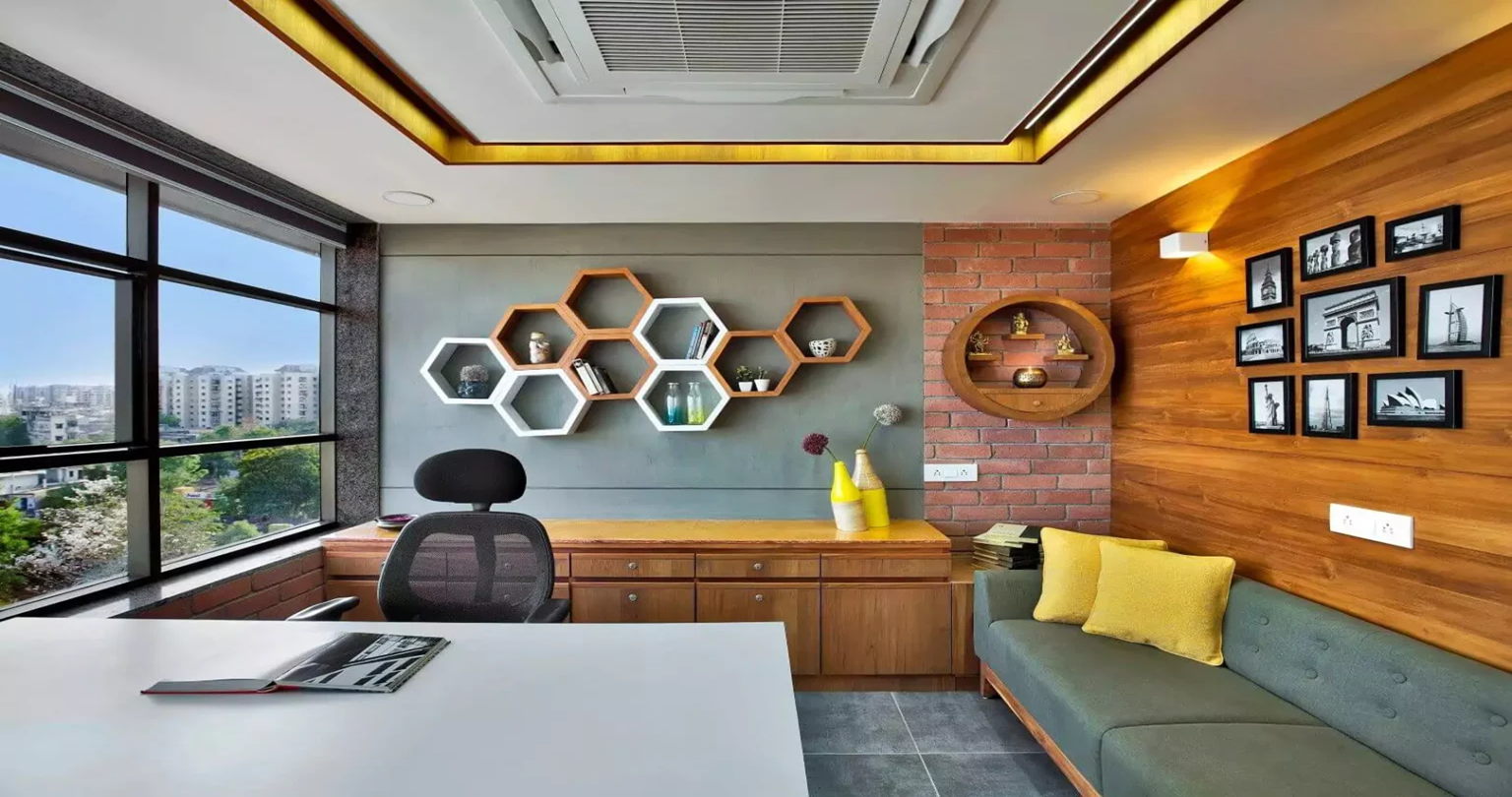
In today’s competitive and design-driven world, the workspace of an architect’s office is more than just a place to work—it is a reflection of creativity, innovation, and professional identity. A thoughtfully designed office environment plays a crucial role in inspiring ideas, improving productivity, and fostering collaboration among teams. For architects, whose work revolves around design thinking and visual creativity, the office interior itself becomes a powerful tool for expression.
Modern architect offices are moving away from rigid layouts and dull interiors toward flexible, open, and visually engaging spaces. Elements such as natural light, smart layouts, ergonomic furniture, and creative zones help teams stay motivated and focused throughout the day. Investing in a professional Interior design service ensures that the workspace is not only aesthetically appealing but also functional, efficient, and aligned with the firm’s workflow.
A well-designed office sets the tone for innovation, supports employee well-being, and leaves a lasting impression on clients—making creative office interior design an essential part of a successful architectural practice.
Why Architect Offices Need Thoughtful Interior Design
Architect offices are unique work environments where creativity, precision, and collaboration come together. Unlike conventional offices, these spaces must support design development, team discussions, client presentations, and focused individual work—all within the same environment. This makes thoughtful interior design not just desirable, but essential.
A well-planned office layout helps architects move seamlessly between creative thinking and technical execution. Open work areas encourage collaboration and idea sharing, while quiet zones allow designers to focus on detailed drawings and planning. Dedicated meeting rooms and presentation areas are equally important, as client interactions are a regular part of an architect’s workflow.
Key reasons why interior design matters in architect offices include:
- Enhanced creativity: Visually stimulating spaces inspire fresh ideas and innovation
- Improved collaboration: Well-designed layouts promote teamwork and communication
- Professional brand image: The office reflects the firm’s design philosophy and expertise
- Efficient space utilization: Smart planning maximizes usability without clutter
Partnering with a professional Commercial Interior Design service ensures that these diverse requirements are addressed through strategic space planning, functional layouts, and design elements that support both creativity and business goals.
Top 10 Architect Office Interior Design Ideas
1. Open Concept Layouts
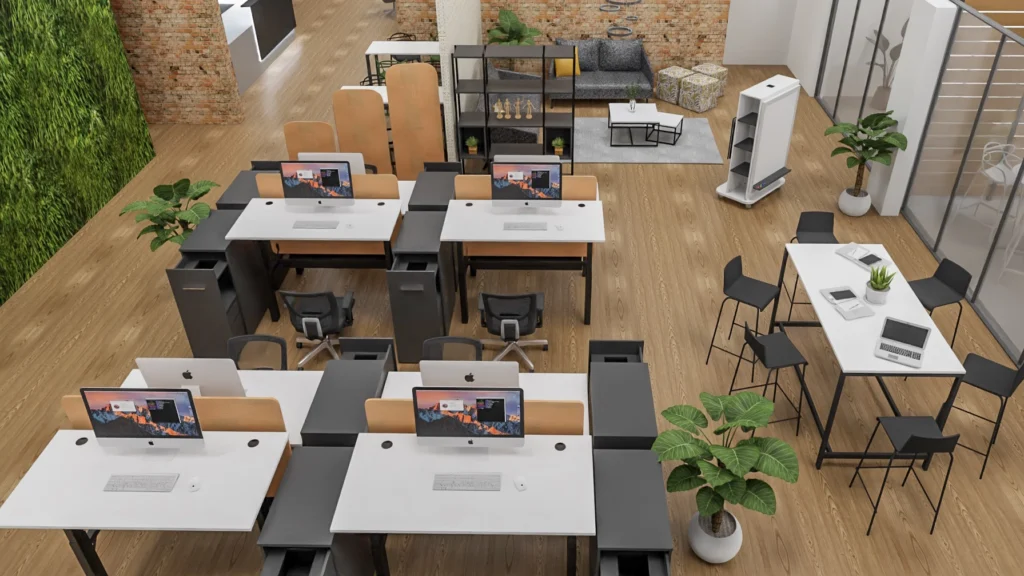
Open concept layouts are one of the most popular interior design choices for modern architect offices—and for good reason. These layouts remove unnecessary physical barriers, creating a sense of openness that encourages collaboration, transparency, and creative exchange. For design-driven teams, an open workspace allows ideas to flow freely and promotes a culture of teamwork.
By minimizing enclosed cabins and using shared work areas, architects can communicate more easily, exchange feedback in real time, and collaborate on projects without disruption. Open layouts also allow better distribution of natural light, making the workspace feel brighter, larger, and more inviting.
Benefits of open concept layouts in architect offices:
- Encourages collaboration and idea sharing
- Improves visual connectivity across teams
- Enhances natural light and ventilation
- Creates a modern, spacious aesthetic
- Allows flexible reconfiguration as teams grow
To maintain balance, open layouts can be complemented with quiet zones, meeting pods, or glass partitions for focused work. A professional Commercial Interior Design service can help plan an open office layout that supports creativity while maintaining functionality, acoustics, and workflow efficiency.
2. Collaborative Work Zones
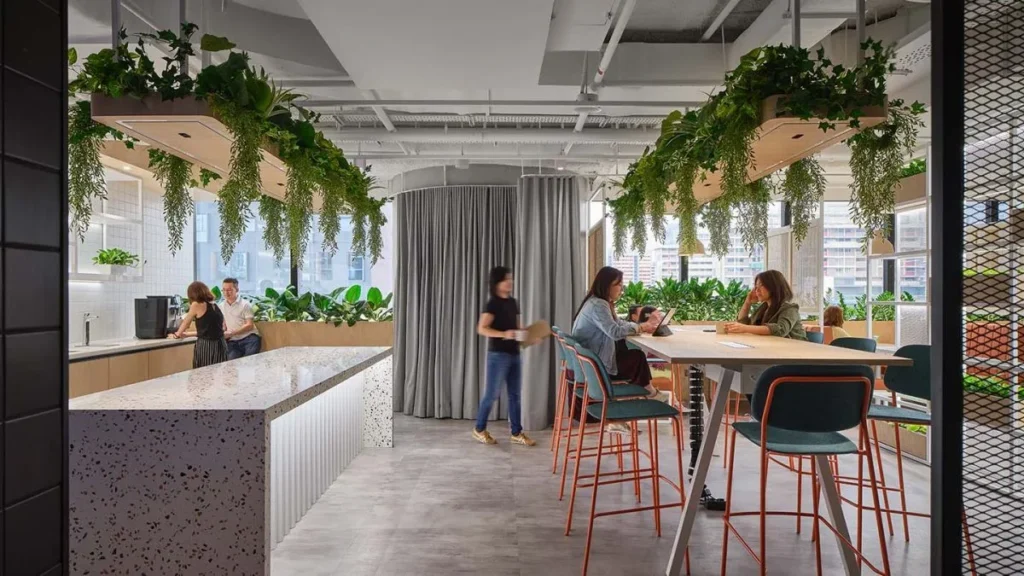
Creative work thrives when teams have spaces specifically designed for collaboration. Architect offices benefit immensely from dedicated collaborative zones where brainstorming, group discussions, and informal meetings can happen naturally. These areas foster a culture of innovation, enabling teams to generate ideas, solve problems collectively, and refine designs efficiently.
Key features of collaborative work zones:
- Flexible seating arrangements: Movable chairs, modular tables, and lounge-style seating for informal discussions
- Brainstorming tools: Whiteboards, pin-up walls, or digital screens for sketching and concept sharing
- Acoustic considerations: Semi-enclosed zones or partitions to reduce noise while maintaining connectivity
- Casual meeting corners: Comfortable nooks where spontaneous discussions can occur
Collaborative zones also serve as informal spaces for cross-department interactions, allowing junior and senior architects to exchange ideas freely. When designed thoughtfully, these spaces become the heart of a creative office, promoting teamwork and enhancing productivity. Engaging a skilled Interior design service ensures that collaborative zones are both functional and visually appealing, seamlessly blending with the overall office aesthetic.
3. Glass Partitions and Transparent Cabins
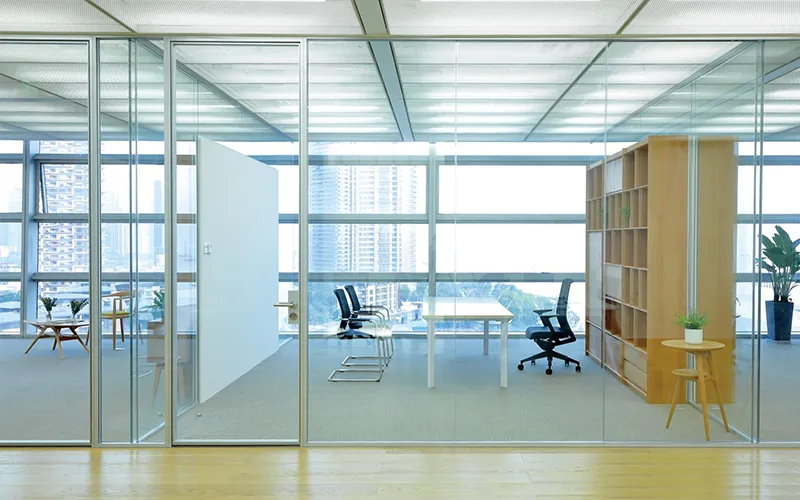
In architect offices, balancing openness with privacy is crucial. Glass partitions and transparent cabins provide the perfect solution, allowing teams to enjoy a sense of connectivity while maintaining dedicated spaces for focused work or private meetings. These design elements help preserve the flow of natural light, create a modern aesthetic, and enhance the overall ambiance of the office.
Advantages of using glass partitions in architect offices:
- Natural light optimization: Transparent walls allow daylight to penetrate deeper into the workspace, reducing the need for artificial lighting.
- Visual connectivity: Teams can see each other, encouraging collaboration and fostering a sense of unity.
- Sound control: Acoustic glass can reduce noise without compromising the open feel of the office.
- Modern and professional look: Sleek glass partitions elevate the office’s design language and make it appear more spacious.
In addition, glass cabins can serve as client meeting rooms or quiet zones, providing privacy without isolating the space from the office environment. For a seamless and stylish integration of glass partitions, partnering with a professional Commercial Interior Design service ensures that both aesthetics and functionality are optimized.
4. Biophilic Design Elements
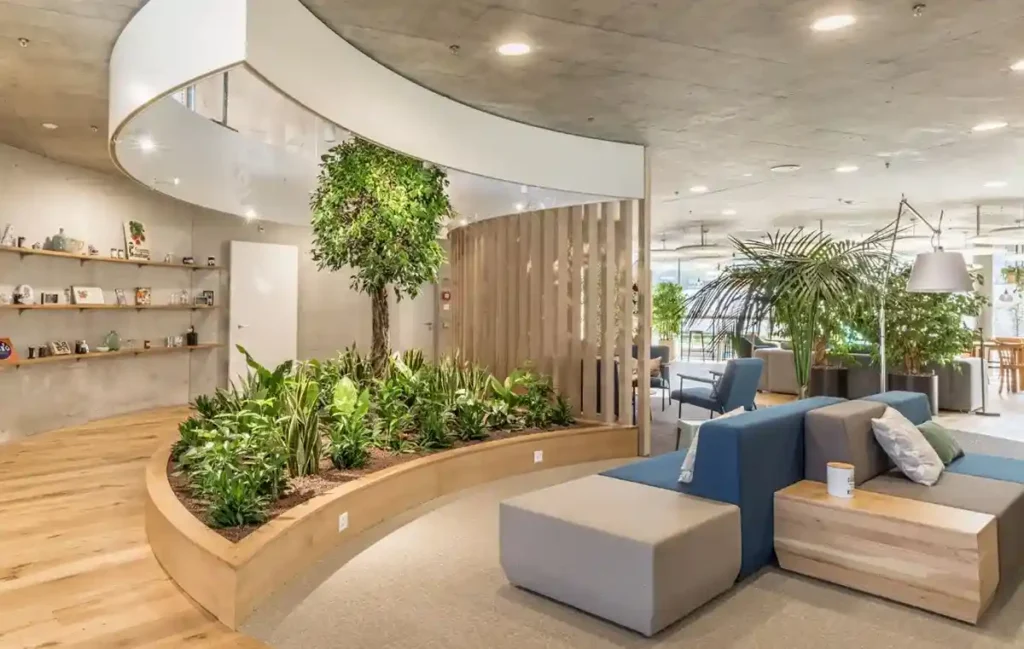
Incorporating biophilic design into architect offices is a powerful way to boost creativity, reduce stress, and create a healthier work environment. Biophilic design connects employees with nature, using natural materials, greenery, and organic forms to enhance well-being and productivity. For creative professionals like architects, this connection to nature can spark inspiration and improve focus.
Ways to include biophilic design in architect offices:
- Indoor plants: Strategically placed plants can purify air and add life to workstations.
- Green walls or vertical gardens: These create a striking visual impact while improving air quality.
- Natural materials: Wood, stone, and bamboo finishes bring warmth and texture to the office.
- Natural lighting and views: Maximizing sunlight and providing views of outdoor greenery enhances mood and reduces eye strain.
Biophilic design not only contributes to employee wellness but also creates a visually appealing and inviting workspace for clients. Integrating these elements thoughtfully requires expertise, making a professional Interior design service essential for creating a harmonious, nature-inspired office environment.
5. Ergonomic Workstations
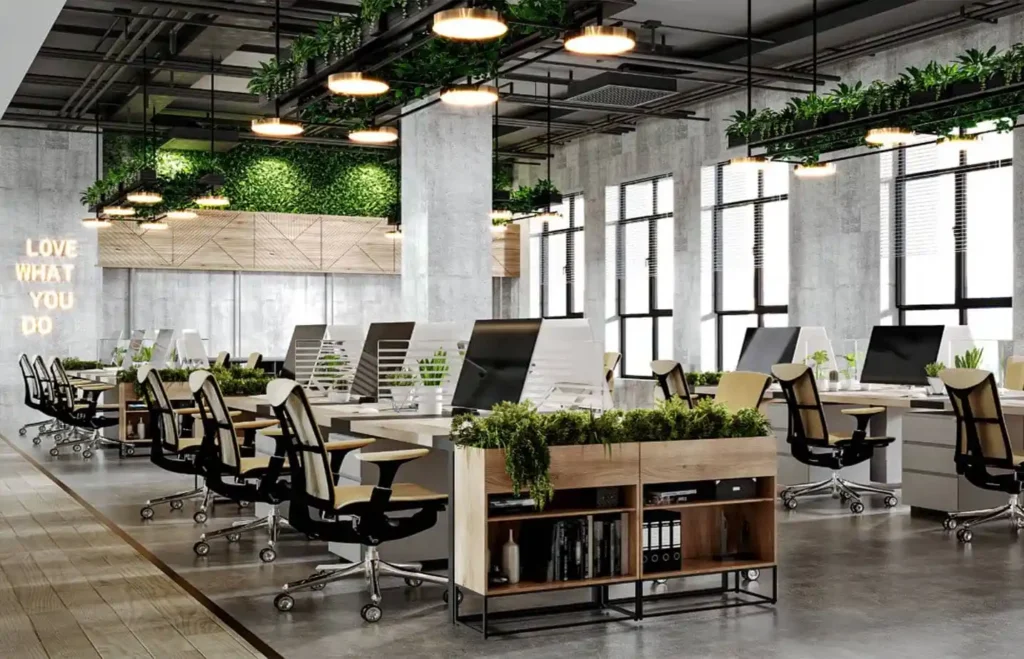
A comfortable and functional workstation is the foundation of a productive architect office. Ergonomic design ensures that employees can work efficiently without strain, supporting long hours of creative work while reducing fatigue and potential health issues. Well-planned workstations also contribute to a clean, organized, and visually appealing office layout.
Key elements of ergonomic workstations:
- Adjustable chairs: Support proper posture and reduce back or neck strain
- Appropriate desk heights: Ensure comfortable seating for drawing, computer work, and collaborative tasks
- Monitor placement: Correct screen height and distance to prevent eye strain
- Sufficient legroom and storage: Promotes a clutter-free workspace and easy movement
By combining ergonomics with aesthetics, architect offices can create spaces that are both functional and inspiring. A professional Commercial Interior Design service can design workstations that meet ergonomic standards while maintaining a creative and visually cohesive environment. This not only enhances employee comfort but also boosts overall productivity and engagement.
6. Creative Wall Designs
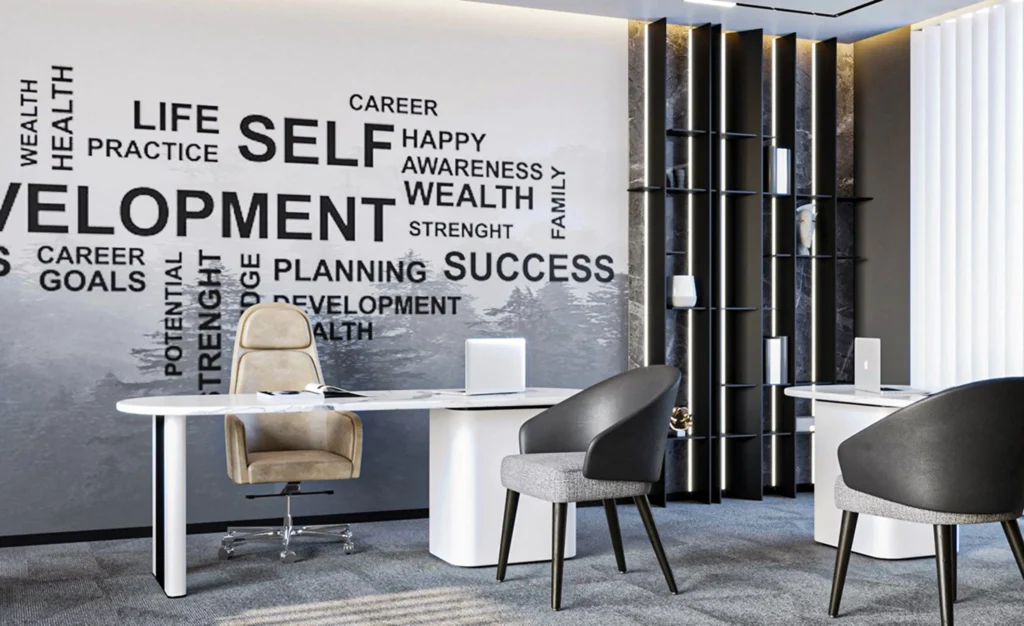
Walls are more than just structural elements—they can be powerful tools for inspiration, branding, and functionality in architect offices. Creative wall designs transform ordinary office spaces into dynamic environments that stimulate imagination and encourage team interaction.
Ideas for incorporating creative wall designs:
- Chalkboard or whiteboard walls: Perfect for brainstorming sessions, sketches, and quick idea sharing
- Project display walls: Showcase ongoing projects, design awards, or inspirational images
- Feature walls with textures or colors: Bold colors, geometric patterns, or textured materials can energize the space
- Brand storytelling walls: Highlight the firm’s history, philosophy, and achievements to impress clients and motivate employees
Well-executed wall designs not only enhance visual appeal but also support the office’s creative culture. Engaging an experienced Interior design service ensures that wall elements are integrated seamlessly into the office layout, balancing aesthetics, functionality, and brand identity.
7. Smart Storage Solutions
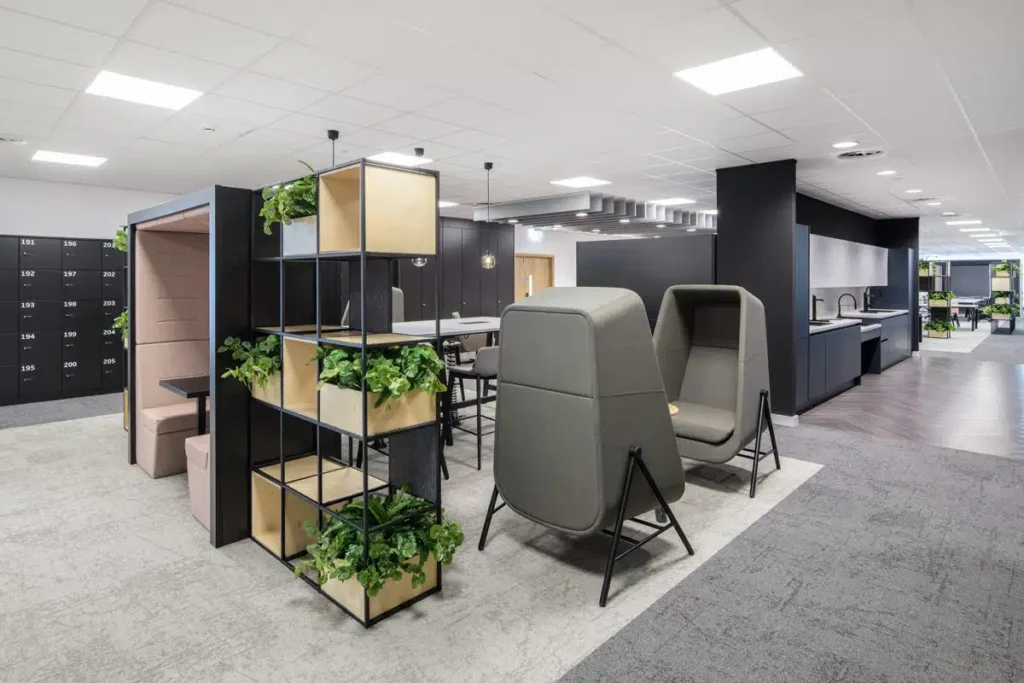
Clutter can stifle creativity, especially in architect offices where plans, materials, and models need to be organized efficiently. Smart storage solutions help maintain a clean, functional workspace while keeping essential tools and documents easily accessible. Thoughtfully designed storage also contributes to the overall aesthetics of the office, creating a polished and professional environment.
Effective storage solutions for architect offices include:
- Modular cabinets and shelving: Flexible units that can be rearranged as needs change
- Hidden or built-in storage: Keeps the workspace tidy without compromising design
- Dedicated zones for materials and models: Ensures easy access and reduces clutter on workstations
- Labeling and organization systems: Helps teams find items quickly, saving time and improving workflow
By integrating smart storage into the office layout, architects can create a workspace that feels open, organized, and conducive to creativity. A professional Commercial Interior Design service can help plan storage solutions that maximize space efficiency while complementing the office’s design aesthetic.
8. Lighting That Inspires Creativity
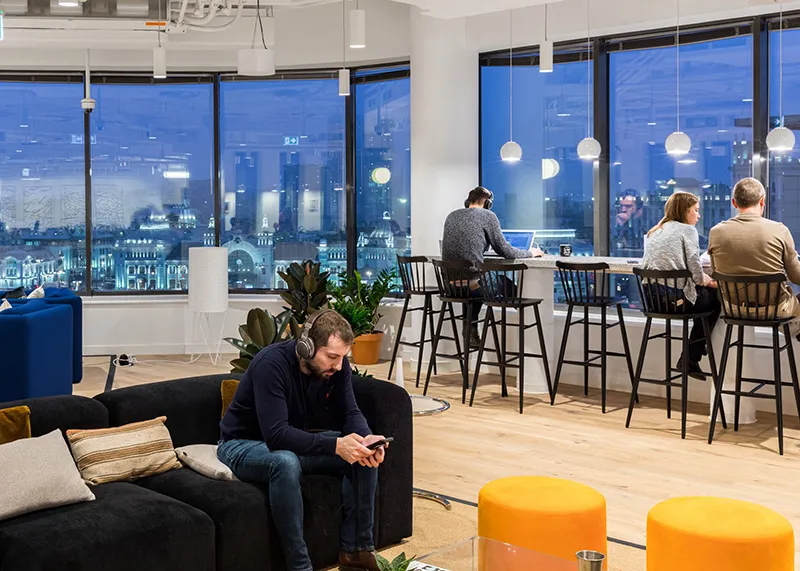
Lighting plays a crucial role in architect office design, influencing mood, productivity, and creativity. Properly designed lighting enhances the workspace, highlights key areas, and creates an inviting environment that encourages focus and innovation. For architect offices, combining natural and artificial lighting ensures that both functional and aesthetic needs are met.
Key lighting strategies for creative workspaces:
- Maximize natural light: Large windows and open layouts allow daylight to flow into work areas, reducing eye strain and improving overall well-being
- Task lighting: Adjustable desk lamps or focused lighting help architects work on detailed drawings and digital projects
- Ambient lighting: Soft, evenly distributed light creates a comfortable and welcoming atmosphere for meetings and casual work
- Accent lighting: Highlight feature walls, artwork, or models to add visual interest and enhance the office’s aesthetic appeal
Strategic lighting can transform an architect office from a standard workspace into an inspiring environment that supports creativity and productivity. Partnering with a professional Interior design service ensures the lighting plan is both functional and visually appealing, complementing the office layout and design language.
9. Client Interaction Areas
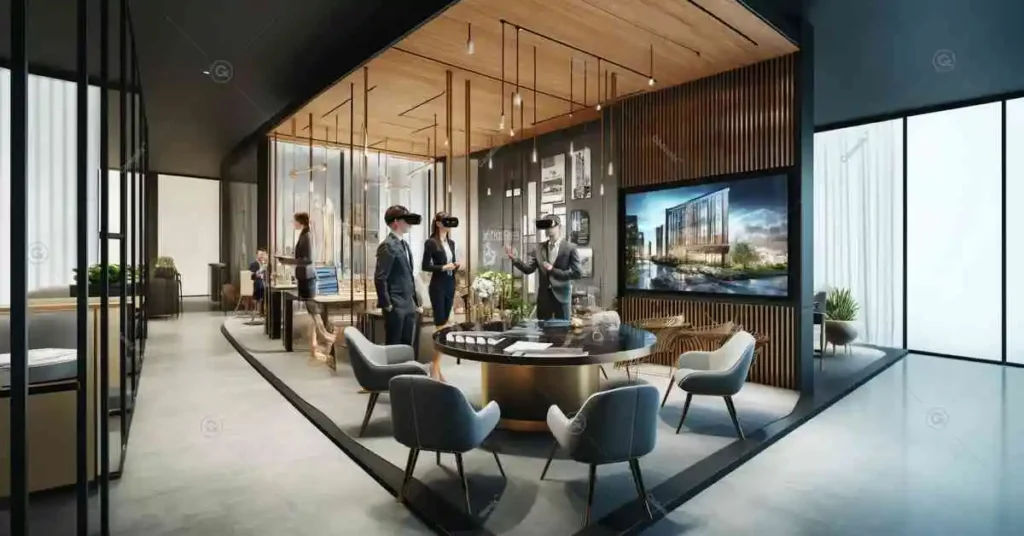
Architect offices frequently host clients for meetings, presentations, and project discussions. Designing dedicated client interaction areas is essential to create a professional, welcoming, and inspiring environment that reflects the firm’s design philosophy. These spaces not only leave a lasting impression on clients but also facilitate smooth communication and collaboration.
Key elements of effective client interaction areas:
- Reception and waiting lounges: Comfortable seating, stylish décor, and informative displays that introduce clients to the firm’s work
- Presentation rooms: Equipped with screens, smart boards, and modular seating for clear, engaging project discussions
- Experience-focused design: Showcasing materials, models, and portfolios in a visually appealing manner
- Flexible layouts: Spaces that can be adapted for one-on-one meetings or group presentations
For architect offices, a well-designed client area balances professionalism with creativity. Collaborating with a Commercial Interior Design service ensures that these spaces are both functional and aesthetically aligned with the office’s overall design theme, creating a positive and memorable client experience.
10. Technology-Integrated Workspaces
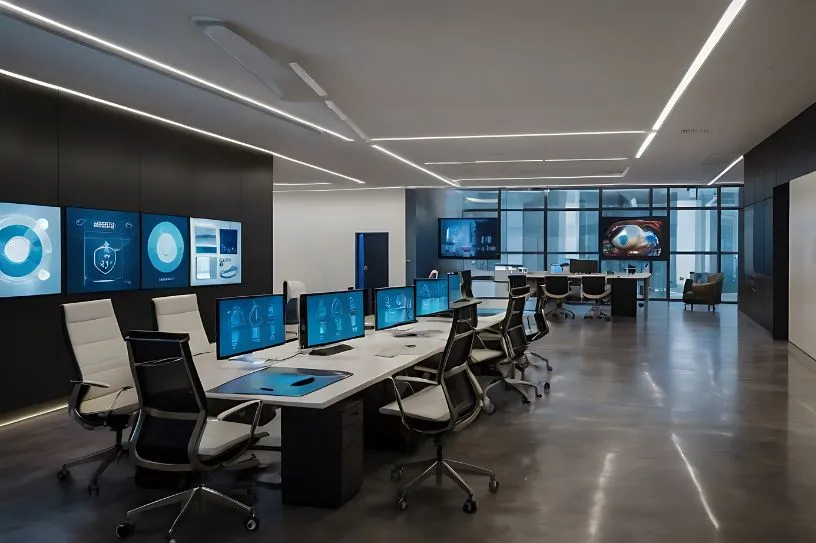
In modern architect offices, technology plays a central role in enhancing productivity, collaboration, and creativity. Integrating smart tools and digital solutions into the workspace ensures that teams can work efficiently, present ideas effectively, and stay connected in a fast-paced design environment. A technology-focused office also reflects a forward-thinking brand image to clients and visitors.
Ways to integrate technology into architect offices:
- Smart boards and digital screens: Ideal for collaborative design sessions and presentations
- Automated lighting and climate control: Improves comfort and energy efficiency
- Video conferencing setups: Enables seamless communication with remote clients and teams
- Project management software stations: Dedicated areas for digital planning and coordination
- Smart storage and display solutions: Incorporate technology for easy access to digital plans and project files
A thoughtfully planned tech-integrated workspace enhances workflow, reduces inefficiencies, and keeps the office environment modern and innovative. Engaging a professional Interior design service ensures that technology is incorporated seamlessly without compromising the aesthetics or functionality of the office.
Benefits of Professional Office Interior Design
Investing in professional interior design for architect offices offers far-reaching benefits beyond aesthetics. A well-designed workspace not only enhances the visual appeal but also improves functionality, employee productivity, and client perception. For creative teams, professional design solutions ensure that every element—from layout to lighting—is optimized for innovation and efficiency.
Key benefits of professional office interior design:
- Boosted productivity: Thoughtfully planned spaces reduce distractions and support focused work
- Optimized space utilization: Efficient layouts make the most of available square footage, including workstations, collaborative zones, and client areas
- Enhanced brand image: A visually appealing office reflects the firm’s design philosophy and professionalism
- Improved employee satisfaction: Ergonomic furniture, natural lighting, and creative zones increase comfort and morale
- Long-term cost efficiency: Strategic design choices reduce maintenance costs and improve operational efficiency
Engaging a skilled Interior design service ensures that all these aspects are addressed. From concept development to execution, professional designers can create an office that is visually stunning, functional, and aligned with the firm’s goals, making it a valuable investment for both employees and clients.
How to Choose the Right Interior Designer for an Architect Office
Selecting the right interior designer is a crucial step in creating a functional and inspiring architect office. The right designer ensures that your workspace reflects your firm’s creativity, enhances productivity, and leaves a lasting impression on clients. A professional approach also guarantees that design elements are integrated efficiently, on time, and within budget.
Key factors to consider when choosing an interior designer:
- Experience in commercial projects: Designers with expertise in office and creative workspaces understand the unique requirements of architect offices.
- Portfolio evaluation: Reviewing previous projects helps assess their style, creativity, and ability to handle complex office layouts.
- Custom design approach: Look for designers who offer tailored solutions instead of generic templates.
- Project management skills: Efficient planning, coordination, and execution ensure timely delivery and quality results.
- Budget transparency: A designer should provide clear cost estimates and manage resources effectively.
For architect offices, partnering with a Commercial Interior Design service can make all the difference. Such services specialize in creating creative, functional, and client-friendly workspaces that combine aesthetic appeal with operational efficiency.
Conclusion: Designing Offices That Inspire Creativity
A thoughtfully designed architect office is more than just a workspace—it is a catalyst for innovation, collaboration, and professional growth. Creative interiors not only enhance employee productivity but also leave a lasting impression on clients, reflecting the firm’s brand and design philosophy. From open layouts and collaborative zones to biophilic elements, ergonomic workstations, and technology-integrated spaces, every detail contributes to a workspace that inspires and motivates.
Investing in a professional Interior design service ensures that your office is both functional and visually compelling, while engaging a Commercial Interior Design service can help align the design with your firm’s long-term goals and client-focused needs. By prioritizing creative, well-planned interiors, architect offices can foster a culture of innovation and create an environment where both employees and clients feel inspired every day.