
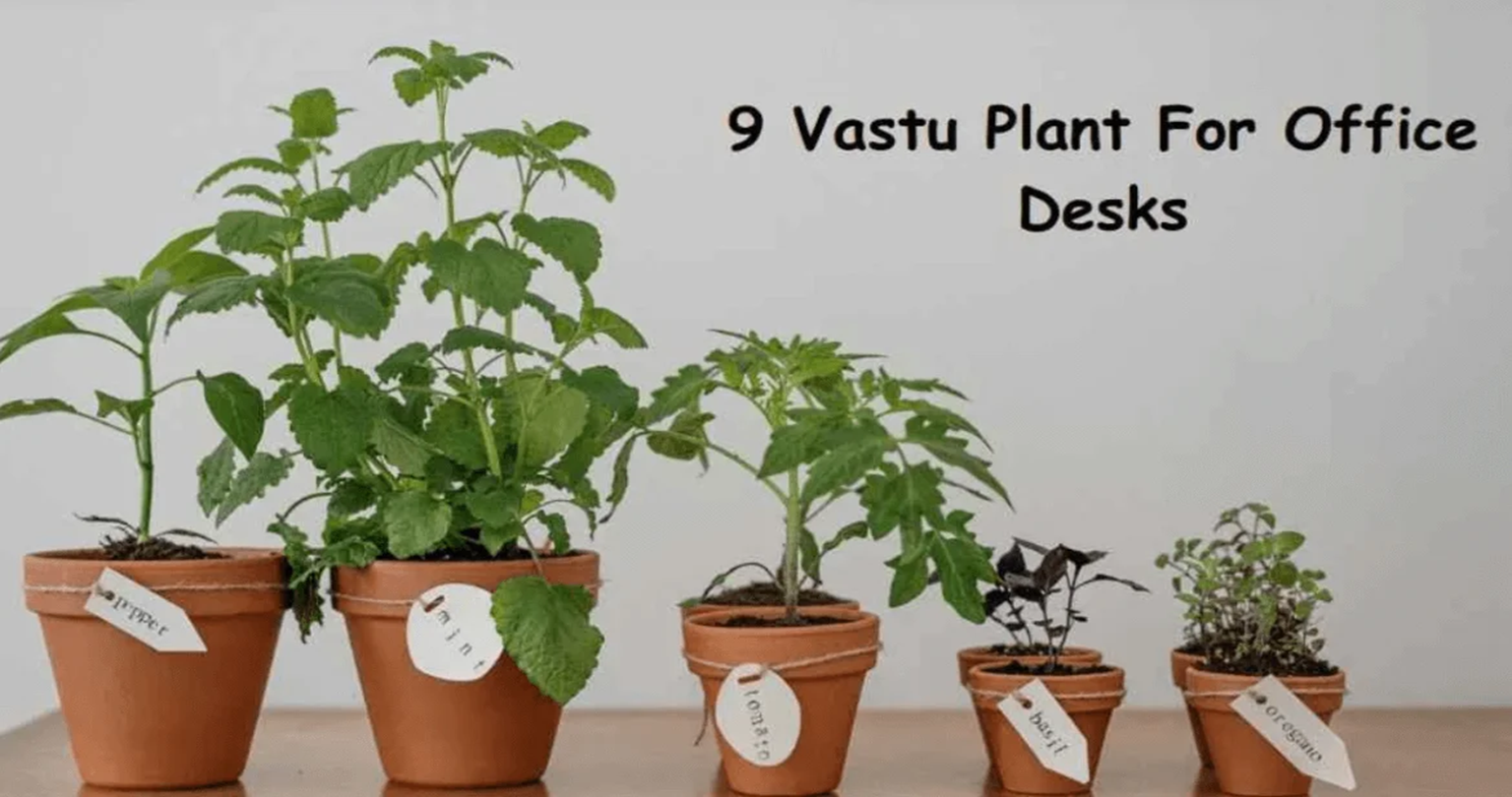
In today’s fast-paced corporate environment, office spaces are no longer just about desks and deadlines. They play a crucial role in shaping productivity, focus, and overall business growth. This is where Vastu Shastra becomes highly relevant. Vastu plants for office spaces are believed to channel positive energy, remove negativity, and create a balanced atmosphere that supports stability and success. When chosen and placed correctly, plants act as natural energy regulators that influence both mental well-being and professional performance.
From a modern interior design perspective, greenery adds warmth, freshness, and visual harmony to workspaces. However, Vastu goes a step further by aligning plant placement with natural elements and directions to enhance growth-oriented energy. Offices that integrate Vastu-friendly plants often experience improved employee morale, better concentration levels, and a calmer work environment. This combination of aesthetics and energy science makes plants an essential component of thoughtful office planning.
Whether it is a corporate office, a startup workspace, or a home office, Vastu plants help establish a steady flow of positivity and financial growth. When combined with well-planned interior layouts, lighting, and ventilation, these plants contribute to creating an office environment that supports long-term success and professional harmony.
Importance of Vastu Shastra in Modern Office Design
Vastu Shastra plays a vital role in shaping modern office environments by ensuring a balanced flow of positive energy. In business spaces, energy alignment directly impacts decision-making, teamwork, and overall growth. A well-planned office that follows Vastu principles helps remove obstacles, reduces stress, and creates a stable foundation for long-term success. This is why many organizations now consider Vastu an essential element while planning their office layout.
In contemporary workplaces, Vastu is not about rigid rules but about smart alignment of space, direction, and natural elements. Factors such as entrance placement, seating orientation, lighting, and ventilation influence how energy moves within an office. When these elements are aligned properly, employees feel more focused, motivated, and mentally at ease. Greenery plays a major role here, as plants enhance oxygen levels while also balancing the five natural elements of Vastu.
Today, Vastu is increasingly integrated with professional commercial interior design to create workspaces that are both functional and energetically balanced. Designers combine modern aesthetics with traditional Vastu principles to achieve visual appeal without compromising energy flow. This thoughtful approach ensures offices are not only stylish but also supportive of productivity, financial growth, and a positive work culture.
How Plants Influence Positive Energy, Productivity, and Business Growth
Plants play a powerful role in shaping the energy and atmosphere of an office environment. According to Vastu principles, plants absorb negative vibrations and release positive energy, helping maintain emotional and mental balance in the workplace. Their natural presence creates a calming effect, which is essential for reducing stress and improving focus among employees. A balanced and peaceful mind directly contributes to better decision-making and overall productivity.
From a scientific perspective, indoor plants improve air quality by increasing oxygen levels and reducing pollutants. Cleaner air leads to fewer health issues, lower fatigue, and enhanced concentration throughout the workday. This makes plants especially valuable in high-pressure office settings where mental clarity and efficiency are critical. When combined thoughtfully with professional interior design, plants enhance both functionality and visual appeal.
In business terms, a positive and energized workspace encourages collaboration, creativity, and consistency in performance. Offices that feel fresh and welcoming naturally support motivation and growth-oriented thinking. By integrating Vastu-recommended plants into office interiors, organizations create an environment that promotes steady business growth, emotional well-being, and a sustainable, positive work culture over the long term.
Best Directions to Place Vastu Plants in Office
The direction in which Vastu plants are placed plays a crucial role in maintaining positive energy within an office. According to Vastu Shastra, the North and East directions are considered the most auspicious for placing plants, as they are associated with growth, new opportunities, and financial stability. Plants placed in these directions help attract positive energy and support consistent business progress.
The North-East direction, also known as the Ishanya corner, is ideal for light and healthy plants, as it represents clarity, wisdom, and innovation. Keeping plants here enhances mental focus and encourages better decision-making. The South-East direction can also support certain plants, especially those linked with energy and activity, but overcrowding should be avoided.
On the other hand, placing plants in the South-West direction is generally discouraged, as it may create energy imbalance and stagnation. Dry, artificial, or poorly maintained plants should never be kept in any direction, as they block positive energy flow.
When planning plant placement, it is important to align Vastu principles with smart interior design. Proper lighting, ventilation, and spacing ensure plants thrive while enhancing the overall office layout, creating a balanced and productive work environment.
Top Vastu Plants for Office Growth and Stability
Choosing the right Vastu plants for your office can significantly influence business growth, financial stability, and workplace harmony. These plants are known not only for their visual appeal but also for their ability to attract positive energy, reduce stress, and enhance productivity. When placed correctly, they support steady progress and long-term success.
Money Plant (Pothos)
The Money Plant is one of the most popular Vastu plants for offices, strongly associated with wealth, prosperity, and financial growth. According to Vastu Shastra, it helps remove financial obstacles and attracts positive opportunities. This plant thrives best when placed in the North or East direction of the office. It is easy to maintain and adapts well to indoor conditions, making it ideal for modern workspaces. From an energy perspective, the Money Plant symbolizes continuous growth, which aligns perfectly with business expansion goals. Its trailing vines also add a refreshing aesthetic touch to office interiors, blending well with contemporary layouts.
Lucky Bamboo
Lucky Bamboo is widely regarded as a symbol of luck, harmony, and success. In offices, it is believed to attract positive energy and maintain balance between professional relationships. According to Vastu, placing Lucky Bamboo in the East direction supports good health, while the South-East direction enhances wealth and financial stability. It is especially suitable for reception areas, work desks, and conference rooms. Lucky Bamboo requires minimal care and thrives in both water and soil, making it a practical choice for busy office environments. Its clean and minimal appearance complements modern interior styles effortlessly.
Jade Plant
Often referred to as the “business plant,” the Jade Plant is highly recommended for offices and commercial spaces. Vastu considers it a powerful symbol of prosperity, success, and friendship. Placing a Jade Plant near the entrance of the office or in the South-East direction is believed to attract financial luck and new business opportunities. Its thick, round leaves represent steady growth and stability, making it especially beneficial for startups and entrepreneurs. The Jade Plant also enhances focus and motivation, creating a positive environment for decision-making and strategic planning.
Snake Plant (Sansevieria)
The Snake Plant is known for its strong protective energy. According to Vastu, it acts as a shield against negative influences and promotes mental clarity. This plant is ideal for offices where stress levels are high or where long working hours are common. It can be placed in the East or South-East direction for best results. In addition to its Vastu benefits, the Snake Plant is an excellent air purifier, improving indoor air quality and reducing toxins. Its sleek, upright leaves make it a perfect match for modern and minimalist office interiors.
Areca Palm
The Areca Palm is considered one of the best Vastu plants for creating a calm and positive office atmosphere. It helps balance energy, purifies air, and promotes a sense of freshness within the workspace. According to Vastu principles, placing the Areca Palm in the East or North direction supports growth, peace, and employee well-being. This plant works especially well in open office layouts, lobbies, and common areas. Its lush green appearance softens rigid office structures and encourages a relaxed yet productive work environment.
Peace Lily
The Peace Lily is known for its ability to reduce stress and promote emotional balance. In Vastu Shastra, it is believed to absorb negative energy and maintain harmony in professional relationships. This plant is ideal for cabins, meeting rooms, and areas where important discussions take place. The Peace Lily thrives best when placed in the North or East direction and requires moderate light and care. Its elegant white flowers symbolize peace and clarity, making it a valuable addition to offices that aim to foster cooperation and a positive work culture.
Together, these Vastu plants help create an office environment that supports consistent growth, stability, and positivity. When integrated thoughtfully into office interiors, they enhance not only energy flow but also the overall visual and functional appeal of the workspace.
Vastu Plants to Avoid in Office Spaces
While plants generally enhance positivity, certain plants are considered unsuitable for office spaces according to Vastu Shastra. These plants may disrupt energy balance and create obstacles in professional growth. Cactus and thorny plants are the most commonly avoided, as their sharp thorns are believed to attract stress, conflicts, and negative vibrations. Keeping them in workspaces can affect harmony among employees.
Bonsai plants are also discouraged in offices. Although visually appealing, bonsai symbolizes restricted or stunted growth, which contradicts business expansion and career progress. Similarly, dry, dead, or artificial plants should never be placed in office interiors, as they represent stagnation and block the flow of positive energy.
Plants that require excessive care or remain unhealthy due to poor lighting should also be avoided, as neglected plants reflect imbalance and disorder. To maintain a productive and growth-oriented environment, offices should focus on healthy, well-maintained, and Vastu-compliant plants that support positive energy, stability, and professional success.
Vastu Tips for Office Reception, Workstations, and Cabins
Different areas of an office serve different purposes, and Vastu plant placement should be planned accordingly. The reception area is the first point of contact for clients and visitors, making it essential to create a welcoming and positive impression. Placing plants like Lucky Bamboo or a healthy Money Plant in the North or East direction of the reception helps attract opportunities, trust, and positive business relationships.
For workstations, small and low-maintenance plants such as Snake Plant or Jade Plant are ideal. These plants help reduce stress, improve concentration, and maintain a calm work environment. It is important to avoid cluttering desks with too many plants, as overcrowding can restrict energy flow and reduce focus.
In cabins and leadership offices, plants should support authority, clarity, and decision-making. Areca Palm or Peace Lily placed in the East or North direction helps maintain emotional balance and positive energy during critical discussions. Aligning these Vastu tips with professional commercial interior design ensures that plant placement enhances both functionality and aesthetics, resulting in a harmonious and growth-oriented office environment.
Integrating Vastu Plants with Office Interior Design
Integrating Vastu plants with office interior design creates a workspace that is both visually appealing and energetically balanced. The right combination of greenery, furniture, and lighting ensures that the office feels fresh, welcoming, and productive. Plants not only improve air quality but also soften rigid office layouts, adding warmth and natural charm to modern interiors.
Choosing planters that complement office aesthetics is important. Sleek, minimalist pots suit contemporary offices, while traditional ceramic or wooden planters work well in classic setups. Placement should consider natural light, ventilation, and space flow. Plants should be arranged to allow free movement and avoid overcrowding, ensuring energy flows smoothly throughout the office.
Incorporating Vastu plants with thoughtful interior design enhances positivity while maintaining functionality. For example, placing a Money Plant in the North-East corner near a work desk combines financial energy with ergonomic efficiency. Similarly, using Snake Plants or Areca Palms in shared areas like corridors or waiting rooms adds protection and calm energy without compromising design aesthetics.
When Vastu principles are aligned with interior styling, offices become more than just workspaces—they transform into environments that foster growth, creativity, and steady positive energy.
Vastu Plants for Home Office & Residential Workspaces
With the rise of work-from-home culture, creating a home office that supports productivity, positivity, and growth has become essential. Vastu Shastra plays a significant role in enhancing energy flow in residential workspaces. Placing the right plants in appropriate directions can improve focus, reduce stress, and invite prosperity.
For home offices, plants like Money Plant, Lucky Bamboo, and Jade Plant are highly recommended. The North or East direction is ideal for these plants, as it attracts wealth, creativity, and positive energy. Small desk-friendly plants such as Snake Plant or Peace Lily are also effective, as they purify air and create a calm, focused environment.
It is important to avoid thorny plants, bonsai, or artificial plants in residential offices, as they can block energy and hinder growth. Regular care, sunlight, and proper placement are essential to maintain the benefits of these plants.
Integrating Vastu plants with thoughtful residential interior design ensures that your home office is not only functional but also energizing. A well-planned workspace with greenery fosters motivation, mental clarity, and long-term success while creating a balanced and harmonious environment at home.
Common Mistakes People Make with Vastu Plants in Offices
While Vastu plants can bring positivity and growth, many offices make mistakes that reduce their effectiveness. Overcrowding plants on desks or in corners blocks energy flow, creating clutter instead of harmony. Similarly, placing plants in wrong directions, such as the South-West, can lead to stagnation and reduced productivity.
Neglecting plant health is another common error. Dry, unhealthy, or dying plants not only fail to attract positive energy but may also create a negative atmosphere. Some offices also mix thorny or artificial plants, which can generate stress or block opportunities according to Vastu principles.
Finally, ignoring the overall interior layout when placing plants can diminish both aesthetics and energy benefits. To maximize results, offices should maintain healthy, properly placed plants aligned with Vastu directions, ensuring a balanced, productive, and growth-oriented environment.
Final Thoughts: Creating a Balanced, Prosperous Office Environment
Integrating Vastu plants into office spaces is more than a decorative choice—it is a strategic way to enhance positivity, productivity, and business growth. Properly selected and placed plants like Money Plant, Lucky Bamboo, Snake Plant, and Peace Lily help maintain energy balance, reduce stress, and foster harmonious relationships among employees. When aligned with the right directions, these plants attract opportunities, financial stability, and steady professional progress.
Equally important is combining Vastu principles with thoughtful interior design. A well-planned office layout, adequate lighting, ventilation, and organized workspaces amplify the benefits of greenery while keeping the environment functional and aesthetically pleasing. Overcrowding, neglect, or incorrect placement can negate the positive effects of Vastu plants, so attention to care and alignment is essential.
By thoughtfully integrating Vastu plants with smart interior planning, businesses can create offices that are not only visually appealing but also energetic hubs of growth, creativity, and long-term success. A balanced, green, and harmonious workspace truly sets the foundation for prosperity and positivity.
FAQ
1) What are the best Vastu plants for an office and why?
Answer:
Some of the most effective Vastu plants for offices include Money Plant, Lucky Bamboo, Snake Plant, Jade Plant, and Peace Lily. According to Vastu Shastra, these plants attract positive energy, prosperity, and success when placed in the correct directions. For example, the Money Plant is believed to bring financial growth and abundance, while Lucky Bamboo promotes harmony and good fortune. Snake Plant helps purify air and remove negative influences, and Peace Lily enhances calmness and peaceful communication in meetings or cabins. Healthy, well‑maintained plants also improve air quality and reduce stress, making the office environment more productive and balanced overall.
2) Where should Vastu plants be placed in an office?
Answer:
Placement is key in Vastu. The North and East directions are considered most auspicious for greenery as they support growth, clarity, and positive energy flow. The North‑East direction enhances prosperity and creativity, while the South‑East direction can be good for wealth‑attracting plants like Money Plant or Bamboo. It’s generally advised to avoid placing large plants or too many plants in the South‑West corner, as this can disrupt stability and energy flow. Proper directional placement maximises the plants’ benefits in an office setting.
3) Can any plant be used for Vastu in an office?
Answer:
Not all plants are suitable. According to Vastu principles, thorny or spiky plants like cactus, artificial plants, and dying or neglected plants should be avoided because they may generate negative energy and stress. Bonsai plants are also avoided since they symbolise restricted growth. Live, healthy plants with lush foliage are preferred for offices as they help maintain a steady, positive energy flow and enhance overall well‑being in the workspace.
4) Do Vastu plants really affect productivity and office atmosphere?
Answer:
Yes, both Vastu philosophy and modern environmental studies suggest that plants can positively impact productivity and workplace atmosphere. Plants enhance oxygen levels, reduce pollutants, and create a calming visual environment that reduces stress and improves focus. Vastu adds that correct placement and plant choice can harmonise energy flow, supporting collaboration, positive communication, and workplace harmony, which are essential for team efficiency and growth.
5) How should Vastu plants be maintained in the office?
Answer:
Proper care is crucial. Healthy, well‑trimmed plants sustain positive energy, whereas neglected, dry, or dead plants can block energy flow and invite negativity. Regular watering, adequate sunlight, and clean surroundings are important. Avoid overcrowding plants; spread them strategically to complement office layout and Vastu placement. Removing dead leaves and ensuring plants are pest‑free helps maintain both visual appeal and energetic benefits.