
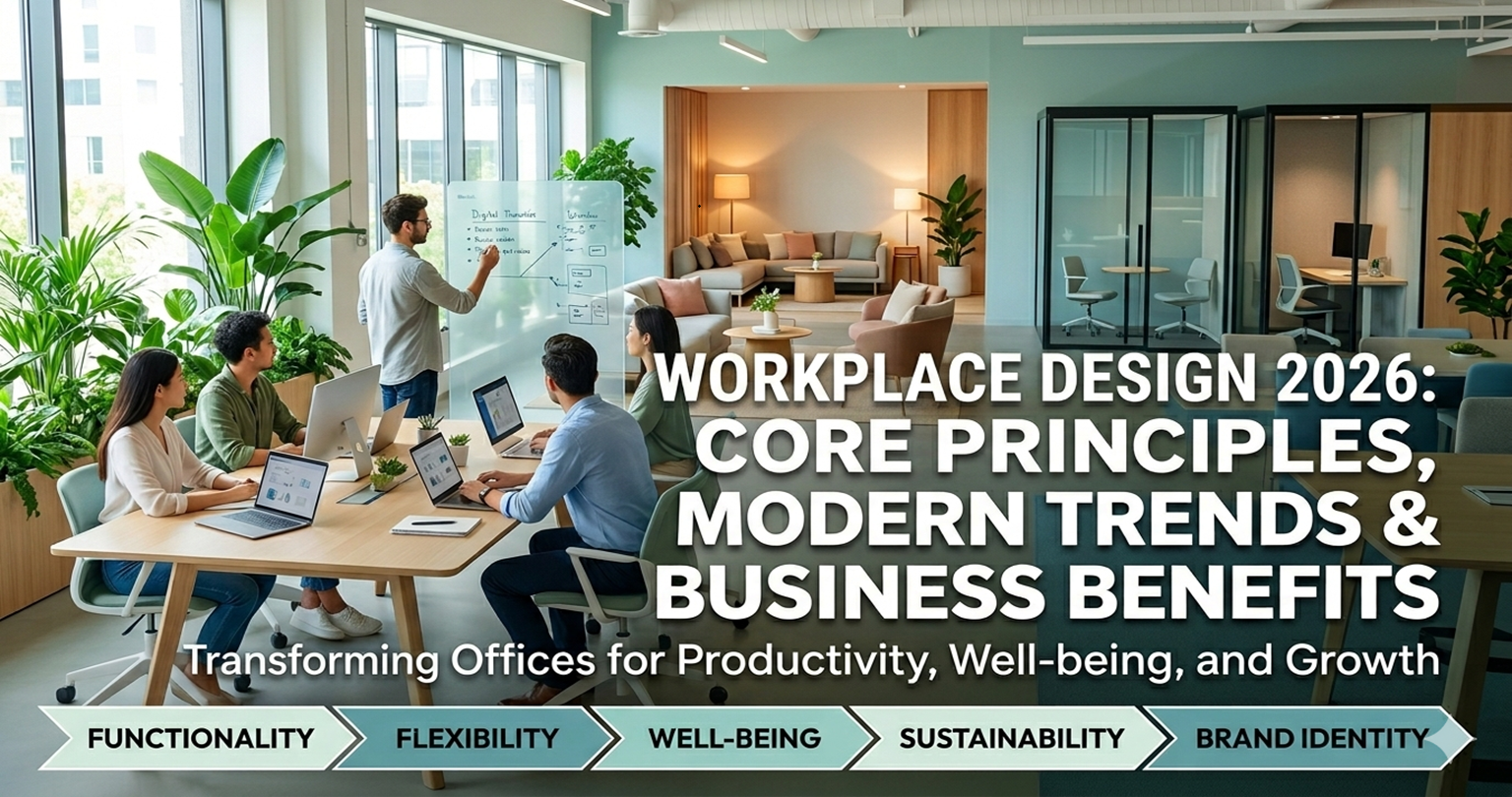
Workplace design is no longer just about arranging desks and chairs inside an office. Today, it plays a major role in how employees feel, work, and collaborate. A well-designed workplace can improve productivity, boost employee morale, and even strengthen a company’s brand image. In simple words, the way an office looks and functions directly affects business performance.
Over the past few years, work culture has changed rapidly. Hybrid work models, flexible hours, and digital collaboration tools have reshaped how companies operate. Because of this shift, businesses are rethinking traditional office layouts. Closed cabins and rigid seating plans are being replaced with open collaboration zones, quiet focus areas, and flexible workstations. The goal is to create spaces that support different working styles and encourage creativity.
Modern workplace design also focuses strongly on employee well-being. Natural light, comfortable furniture, better air quality, and breakout areas are no longer luxury features—they are essential. Companies now understand that a healthy and inspiring environment leads to better engagement and long-term retention.
This is where thoughtful planning and professional Commercial Interior Design strategies become important. A structured approach ensures that the workplace is not only visually appealing but also functional and aligned with business goals.
In this guide, you will learn the core principles of workplace design, the latest trends shaping offices today, and the real business benefits that come from designing workspaces the right way.
What is Workplace Design?
Workplace design refers to the strategic planning and creation of office spaces that support productivity, collaboration, and employee well-being. It is not only about decoration or furniture placement. Instead, it focuses on how a workspace functions and how people interact within it. A well-designed workplace aligns the physical environment with business goals and employee needs.
In the past, traditional office layouts were simple and fixed. Most offices had rows of desks, closed cabins, and separate meeting rooms. While this setup worked for many years, it often limited communication and flexibility. Modern workplace design takes a more thoughtful approach. It creates spaces that allow employees to work in different ways—whether they need quiet focus time, teamwork areas, or informal discussion zones.
Several key elements define effective workplace design. Layout planning ensures smooth movement and clear zoning between departments. Furniture selection focuses on ergonomics and comfort to reduce strain and fatigue. Lighting plays an important role in improving mood and concentration. Technology integration supports digital collaboration and hybrid work models. Employee comfort, including air quality and acoustic control, is also carefully considered.
Professional Commercial Interior Design services often help businesses bring all these elements together. Experts analyze workflow, brand identity, and company culture before designing a space that supports both employees and long-term business growth. In simple terms, workplace design creates environments where people feel motivated, focused, and connected.
Core Principles of Effective Workplace Design
Creating a productive and inspiring office is not about following trends. It is about understanding how people work and designing a space that supports them. Effective workplace design is guided by a few core principles that ensure the office is practical, flexible, and aligned with business goals. When these principles are applied correctly, companies see better performance, stronger teamwork, and higher employee satisfaction.
1. Functionality First
The first and most important principle of workplace design is functionality. An office must support daily tasks and workflows smoothly. Every department has different needs, and the layout should reflect that. For example, a sales team may need collaborative seating, while finance teams may require quieter spaces for focused work.
Good space planning ensures easy movement between departments without overcrowding. Clear walkways, proper zoning, and accessible meeting rooms reduce confusion and improve efficiency. Storage areas should also be planned properly to avoid clutter.
When design decisions are based on real operational needs instead of just appearance, the workspace becomes practical and efficient. A functional office reduces distractions, saves time, and allows employees to concentrate better on their work.
2. Flexibility and Adaptability
Modern businesses grow and change quickly. Because of this, offices must be flexible. A rigid layout may work today but become unsuitable in a few years. Flexible workplace design allows companies to adapt without major renovations.
Modular furniture, movable partitions, and multi-purpose spaces make it easier to adjust layouts as teams expand or projects change. Hybrid work culture has also increased the need for adaptable workstations. Employees may not come to the office every day, so shared desks and activity-based zones are becoming more common.
Flexible spaces also encourage creativity. Rooms that can transform from meeting areas to training spaces add long-term value. Businesses that invest in adaptable design save money in the future while maintaining a modern and responsive workplace.
3. Employee Well-being
Employee well-being is now at the center of workplace design. A healthy environment leads to better focus, lower stress levels, and improved job satisfaction. Simple design elements can make a big difference.
Ergonomic chairs and desks help prevent physical strain. Adjustable seating and standing desks support comfort throughout the day. Natural light improves mood and reduces fatigue. Proper ventilation and good air quality contribute to overall health.
Breakout areas and relaxation zones give employees space to recharge. Even small additions like indoor plants can create a calm and refreshing atmosphere. When companies prioritize well-being, employees feel valued and motivated. This directly impacts productivity and retention rates.
4. Collaboration and Communication
Strong communication is essential for business success. Workplace design should encourage collaboration without removing privacy. Open-plan areas can promote teamwork, but they must be balanced with quiet zones for focused tasks.
Meeting pods, brainstorming rooms, and informal discussion areas create opportunities for interaction. These spaces allow teams to share ideas easily and work together more effectively. At the same time, sound control and private cabins ensure that employees can concentrate when needed.
A well-balanced office layout supports both collaboration and independent work. This combination increases creativity while maintaining efficiency.
5. Brand Identity and Culture
An office should reflect the company’s identity and values. Workplace design is a powerful way to express brand personality. Colors, materials, wall graphics, and furniture choices can communicate professionalism, innovation, or creativity.
For example, a technology company may choose modern and minimal interiors, while a creative agency might prefer vibrant colors and open collaboration zones. When employees see their company’s vision reflected in the workspace, they feel more connected to the organization.
This is where professional Commercial Interior Design plays a significant role. Experts ensure that the office not only looks attractive but also represents the company’s culture and long-term goals. A well-branded workspace also leaves a strong impression on clients and visitors.
By following these core principles—functionality, flexibility, well-being, collaboration, and brand alignment—businesses can create workplaces that truly support growth. Effective workplace design is not just about aesthetics; it is about building environments where people can perform at their best and contribute to lasting success.
Modern Workplace Design Trends in 2026
Workplace design continues to evolve as businesses adapt to new work models, technology, and employee expectations. In 2026, modern offices are more flexible, tech-enabled, and wellness-focused than ever before. Companies are no longer designing spaces just to look professional. They are creating environments that improve productivity, attract talent, and support long-term growth. Below are the key workplace design trends shaping offices today.
1. Hybrid and Activity-Based Workspaces
Hybrid work is now a permanent part of many businesses. Employees split their time between home and office, which means offices must serve a new purpose. Instead of fixed desks for everyone, companies are adopting activity-based workspaces.
These spaces are designed around different tasks. There are focus zones for deep work, collaboration hubs for team discussions, and informal lounges for quick meetings. Employees choose where to sit based on the type of work they need to complete.
Hot-desking and shared workstations are also becoming common. This approach reduces unused space while making the office more dynamic. Hybrid-friendly offices are designed to encourage teamwork, creativity, and meaningful in-person interaction.
2. Sustainable and Eco-Friendly Design
Sustainability is a major priority in modern workplace design. Businesses are actively looking for ways to reduce their environmental impact. Eco-friendly materials, energy-efficient lighting, and water-saving fixtures are now standard features in many offices.
Biophilic design is also gaining popularity. This concept focuses on bringing nature into the workspace through indoor plants, green walls, natural materials, and large windows for natural light. Studies show that exposure to natural elements reduces stress and improves focus.
Using recycled materials, low-VOC paints, and sustainable furniture not only helps the environment but also improves indoor air quality. Companies that adopt green design practices strengthen their brand image and appeal to environmentally conscious employees and clients.
3. Smart Offices and Technology Integration
Technology plays a central role in modern workplace design. Smart offices use digital tools to improve efficiency and enhance employee experience. Automated lighting and climate control systems adjust based on occupancy, saving energy and improving comfort.
Meeting rooms are now equipped with advanced video conferencing systems to support remote collaboration. Wireless charging stations, digital whiteboards, and booking systems make daily operations smoother. Employees can reserve desks or meeting rooms through mobile apps, reducing scheduling conflicts.
Smart technology also helps businesses collect data about space usage. This information allows companies to optimize layouts and make informed design decisions. Technology integration ensures that the workplace supports modern work styles and remains future-ready.
4. Wellness-Centered Offices
Employee well-being is no longer optional. Modern offices are designed to support both physical and mental health. Ergonomic furniture, adjustable desks, and comfortable seating reduce strain during long working hours.
Quiet rooms and meditation spaces provide employees with areas to relax and recharge. Some offices include fitness zones or partnerships with wellness programs to encourage healthy habits. Improved air filtration systems and soundproofing also contribute to a healthier environment.
Lighting design is another important factor. Natural light is prioritized, and artificial lighting is designed to reduce eye strain. A wellness-focused office helps reduce burnout, improve job satisfaction, and increase overall productivity.
5. Residential-Inspired Workspaces
Another growing trend is creating offices that feel more like home. Residential-inspired workspaces focus on comfort and warmth rather than a corporate look. Soft seating, warm lighting, textured fabrics, and cozy breakout areas make employees feel relaxed and comfortable.
This design approach encourages informal interaction and creativity. When employees feel at ease, they are more likely to collaborate and share ideas openly. A welcoming environment also makes the office more attractive, especially in a competitive job market.
Modern workplace design in 2026 is all about balance. It combines flexibility, sustainability, technology, wellness, and comfort to create spaces that truly support people and performance. Businesses that adopt these trends are better prepared for the future of work and long-term success.
Key Elements of Workplace Design Planning
Successful workplace design starts with proper planning. Without a clear strategy, even the most beautiful office can fail to support daily operations. Planning ensures that every element of the workspace aligns with business goals, employee needs, and budget limitations.
The first step is space planning. This involves analyzing how much space is available and how it should be divided. Departments must be positioned logically to improve workflow and communication. High-traffic areas such as meeting rooms and collaboration zones should be easily accessible. At the same time, quiet work areas should be placed away from noise and distractions.
Budget allocation is another important element. Businesses need to decide how much they can invest in furniture, technology, lighting, and materials. A well-planned budget prevents overspending while ensuring quality is not compromised. It is always better to prioritize long-term value instead of choosing cheaper options that may require replacement later.
Material selection also plays a key role in workplace design. Durable, sustainable, and easy-to-maintain materials reduce maintenance costs and improve safety. Flooring, wall finishes, and furniture materials should match both the company’s brand identity and daily usage requirements.
Lighting and acoustics must be carefully planned. Good lighting improves productivity and reduces eye strain. Natural light should be maximized wherever possible. Proper acoustic solutions, such as sound-absorbing panels and carpets, help control noise levels in open-plan offices.
Safety and compliance cannot be ignored. Offices must meet local building codes, fire safety standards, and accessibility requirements. Emergency exits, ventilation systems, and ergonomic furniture contribute to a safe and comfortable environment.
This is where professional Commercial Interior Design consultants add value. They combine technical expertise with creative planning to design offices that are functional, attractive, and future-ready. Proper planning ensures that workplace design supports both employee satisfaction and long-term business success.
Business Benefits of Strategic Workplace Design
Investing in workplace design is not just about improving the look of an office. It is a strategic decision that directly impacts business performance. When a workspace is thoughtfully planned, it creates measurable benefits that support long-term growth and success.
1. Increased Productivity
A well-designed workplace reduces distractions and supports different working styles. Comfortable furniture, proper lighting, and quiet focus areas help employees concentrate better. Clear layouts and organized spaces reduce time wasted in searching for meeting rooms or resources. When employees can work efficiently without discomfort or confusion, overall productivity naturally improves.
2. Better Employee Retention
Employees spend a large part of their day at work. If the environment feels uncomfortable, outdated, or stressful, job satisfaction decreases. On the other hand, a modern and supportive office shows that the company values its team. Features such as ergonomic seating, relaxation zones, and collaborative spaces improve morale. When employees feel comfortable and appreciated, they are more likely to stay with the company long term.
3. Stronger Brand Image
Your office reflects your brand. Clients, partners, and visitors form impressions the moment they enter your workspace. A well-designed office communicates professionalism, creativity, and reliability. Design elements such as brand colors, logos, and thoughtfully planned interiors reinforce company identity. A strong visual presence builds trust and strengthens brand recognition.
4. Improved Client Experience
Meeting clients in a well-planned workspace creates confidence. Comfortable meeting rooms, welcoming reception areas, and organized layouts leave a positive impression. Clients feel assured that they are working with a structured and forward-thinking business. This can directly influence decision-making and partnerships.
5. Higher Return on Investment (ROI)
Although workplace design requires initial investment, it delivers long-term financial benefits. Increased productivity, lower employee turnover, and efficient space usage reduce operational costs over time. Flexible layouts also minimize future renovation expenses.
Strategic workplace design is not an expense but a smart business investment. When planned correctly, it improves employee performance, strengthens brand value, and contributes to sustainable business growth.
Common Workplace Design Mistakes to Avoid
Even with good intentions, many businesses make mistakes when planning their workplace design. These errors can reduce productivity, increase costs, and create discomfort for employees. Avoiding common design mistakes ensures that the office supports both people and performance.
One major mistake is ignoring employee feedback. Employees are the ones who use the space every day. If their needs are not considered, the design may look attractive but fail to function properly. Conducting surveys or discussions before finalizing the layout can help create a more practical environment.
Poor lighting is another frequent issue. Offices that rely only on harsh artificial lights can cause eye strain and fatigue. On the other hand, insufficient lighting makes it difficult to focus. A balanced combination of natural and artificial lighting improves comfort and productivity.
Overcrowding the workspace is also problematic. Trying to fit too many desks into limited space reduces movement and increases noise levels. Employees need enough room to work comfortably and move freely.
Lack of privacy zones is another common mistake. While open offices encourage collaboration, employees still require quiet areas for focused tasks or confidential discussions. A balanced layout is essential.
Finally, blindly following design trends without considering business needs can lead to poor decisions. Every workplace should reflect its own culture, workflow, and goals. Thoughtful planning always works better than copying popular styles.
How to Get Started with Workplace Design
Starting a workplace design project may seem overwhelming, but with the right approach, the process becomes simple and manageable. The first step is to assess your current workspace. Identify what is working well and what needs improvement. Speak with employees to understand their daily challenges, space requirements, and suggestions. This feedback provides valuable insights for planning.
Next, define clear goals. Decide whether your focus is improving productivity, supporting hybrid work, enhancing brand image, or all of these. Clear objectives will guide design decisions and help measure success later.
Setting a realistic budget is also essential. Consider costs for furniture, lighting, materials, technology, and professional services. Allocate funds wisely by prioritizing elements that offer long-term value and durability.
After this, create a basic layout plan. Think about zoning different areas such as collaboration spaces, quiet workstations, meeting rooms, and relaxation zones. Ensure smooth movement and accessibility throughout the office.
Hiring professionals can make a significant difference. Experts in Commercial Interior Design understand how to balance functionality, aesthetics, and safety standards. They help transform ideas into practical solutions while avoiding costly mistakes.
Finally, plan a timeline for execution. Workplace design projects should be organized in phases to reduce disruption to daily operations. With clear planning and the right support, businesses can create workspaces that encourage productivity, comfort, and long-term growth.
Conclusion: Designing Workplaces for the Future
Workplace design is no longer just about creating a good-looking office. It is about building an environment that supports productivity, employee well-being, and long-term business success. From functionality and flexibility to modern trends like hybrid layouts and wellness-focused spaces, every design decision plays an important role in shaping how people work and interact.
A thoughtfully designed workplace improves daily operations, strengthens brand identity, and creates a positive impression on clients and visitors. More importantly, it helps employees feel comfortable, valued, and motivated. When people enjoy the space they work in, their performance and engagement naturally increase.
Businesses that invest in strategic workplace design are better prepared for the future. As work models continue to evolve, adaptable and well-planned offices will remain a competitive advantage.
By following the core principles and avoiding common mistakes, companies can create workspaces that are both practical and inspiring. Designing the workplace of the future starts with smart planning today.