
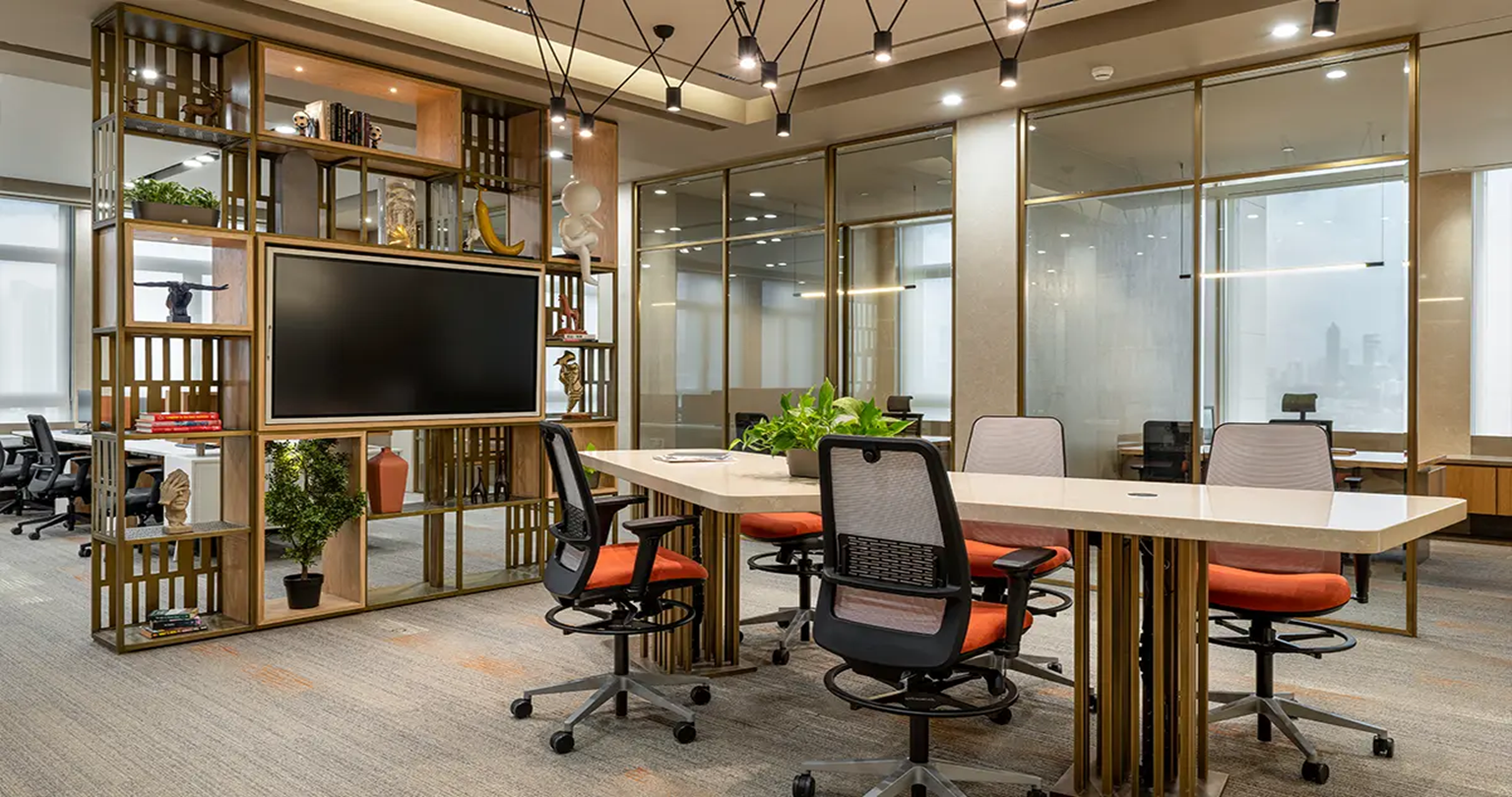
When customers enter a business space, they form an opinion within seconds. This reaction does not come from the product first — it comes from the environment.
Many people think interior design only means decoration. But in commercial spaces, design works as a business tool. It guides customer movement, improves staff efficiency, and builds brand trust.
A well-planned office can look more professional. A retail store can feel premium and organized. A restaurant can become comfortable enough that visitors stay longer and order more.
Design also affects employees. Poor lighting, cramped layouts, and noise reduce productivity, while organized work areas and comfortable seating improve focus and morale.
Today businesses are not competing only on price or product. They are competing on experience.
Customers remember how a place makes them feel, and employees perform better in spaces designed for real workflow.
That is why smart businesses invest in planned interiors instead of random decoration.
In this guide, you will understand what commercial interior design means, its different types, practical ideas you can apply, and how professional solutions help your business grow.
What is Commercial Interior Design?
Commercial interior design is the process of planning and designing spaces used for business activities so they are functional, comfortable, and aligned with the brand identity. It focuses not only on appearance but also on how people move, work, shop, and interact inside the space.
Unlike residential interiors, which are designed for personal living and individual comfort, commercial spaces must serve many users at the same time. A home can prioritize style and personal taste, but a business space must balance aesthetics, workflow efficiency, safety standards, and customer experience.
A properly designed commercial space helps visitors understand the brand without words. For example, a premium showroom uses spacious layouts and soft lighting to create exclusivity, while a fast-service restaurant uses clear pathways and bright lighting to increase customer turnover.
Good design also improves operational efficiency. Employees waste less time moving around, customers find products easily, and waiting areas feel more organized. This directly impacts productivity and revenue.
Businesses such as offices, retail stores, restaurants, clinics, salons, hotels, and educational institutes all depend on smart design planning to function smoothly.
If you want to understand how professional planning transforms a workspace, you can explore our detailed guide on Commercial Interior Design to see how strategic layouts improve both user experience and business performance.
In simple terms, commercial interior design is not decoration — it is a practical investment that improves business results while creating a memorable environment.
Types of Commercial Interior Design
Different businesses operate differently, so one design style cannot work for every space. Commercial interior design is always planned according to customer behavior, workflow, safety, and brand positioning. Below are the major types of commercial interior design and how they function in real environments.
1. Office Interior Design
Office design focuses on productivity, collaboration, and employee comfort. A good office layout reduces unnecessary movement and distractions. Modern offices no longer rely only on cubicles. They combine open workstations, private cabins, meeting rooms, and breakout zones.
For example, a marketing agency may need collaborative tables for team discussions, while an accounting firm may require quiet cabins for focused work. Ergonomic chairs, proper desk height, and screen placement prevent fatigue and improve long working hours.
Hybrid offices also include informal areas like lounge seating and quick meeting corners. These spaces encourage communication without disturbing others. Good office interior design ultimately improves employee efficiency and retention.
2. Retail Interior Design
Retail spaces are designed to influence buying behavior. The layout controls how customers walk through the store and what products they notice first. Strategic product placement increases impulse purchases.
For instance, supermarkets place daily essentials at the back so customers pass through multiple product sections. Clothing stores highlight premium collections at eye level and near entrances.
Lighting plays a major role here. Warm lighting makes products look attractive, while focused lighting highlights featured items. Trial rooms, billing counters, and pathways must remain comfortable and clutter-free to avoid customer frustration.
Retail interior design is successful when customers naturally explore the store without confusion.
3. Restaurant & Cafe Design
Restaurants depend heavily on ambiance and seating comfort. The design directly affects how long customers stay and how much they order. A fast-food outlet uses compact seating and bright lighting to increase table turnover, while a fine dining restaurant uses warm lighting and spacious seating to create relaxation.
Kitchen flow is also critical. The service area, preparation zone, and staff movement paths must be planned to avoid delays. Poor layout causes slow service even if food quality is good.
Acoustics, ventilation, and table spacing also matter. Customers should hear conversations comfortably without excessive noise. A well-designed restaurant balances atmosphere and operational speed.
4. Healthcare & Clinic Design
Healthcare interiors focus on hygiene, calmness, and easy navigation. Patients often feel anxious, so soft colors, natural lighting, and organized waiting areas help reduce stress.
Reception visibility, doctor cabins, and treatment rooms must be easy to locate. Materials used should be easy to clean and bacteria-resistant. Even small details like comfortable seating and clear signage improve patient experience and trust.
5. Hospitality & Hotel Design
Hotels aim to create memorable guest experiences. The design must feel welcoming from the entrance itself. Lobbies are usually spacious, well-lit, and visually impressive to build a premium perception.
Guest rooms focus on comfort, storage, and relaxation. Lighting options, furniture layout, and bathroom planning affect customer satisfaction ratings. Corridors, elevators, and service areas must also allow smooth movement for guests and staff.
Good hospitality design ensures guests feel comfortable enough to return again, making it a strong branding tool for the business.
Best Commercial Interior Design Ideas
A successful commercial space is not created by expensive materials alone. It is built through smart planning that improves usability, comfort, and brand experience. Below are practical commercial interior design ideas that businesses can actually apply to improve performance and customer satisfaction.
1. Space Planning for Productivity
Space planning is the foundation of every commercial interior. Before choosing colors or furniture, the movement of people must be understood. Employees should reach important areas easily without crossing customer pathways.
For example, in an office, printers and storage units should be centrally placed so multiple teams can access them quickly. In retail stores, aisles should be wide enough for browsing without blocking others.
Poor planning creates crowding and confusion. Proper planning creates smooth flow. When people move comfortably, they naturally spend more time in the space and feel less stressed.
Always plan the layout on paper first and test real movement scenarios before finalizing furniture placement.
2. Lighting Strategy
Lighting affects mood, productivity, and buying decisions. Many businesses only install ceiling lights, which creates flat and uncomfortable illumination.
Instead, use layered lighting:
- Ambient lighting for overall brightness
- Task lighting for work areas
- Accent lighting to highlight products or décor
For example, offices benefit from neutral white lighting that reduces eye strain, while restaurants often use warm lighting to create relaxation. Retail stores use spotlights on featured products to attract attention.
Natural light should also be maximized wherever possible because it improves energy levels and reduces electricity cost.
Good lighting not only improves visibility but also shapes customer perception of quality.
3. Brand-Focused Color Psychology
Colors communicate brand personality without speaking. Choosing random colors can confuse visitors and weaken brand recognition.
Blue shades are often used in corporate offices to build trust and professionalism. Warm tones like orange or yellow work well in cafes to create energy and appetite. Clinics prefer soft greens or whites to create calmness and cleanliness.
Instead of using many colors, select two or three brand-aligned shades and repeat them across walls, furniture, and signage. Consistency strengthens brand memory.
Color planning should support business purpose, not just decoration.
4. Smart Storage Solutions
Clutter reduces efficiency and damages visual appeal. Commercial spaces need more storage than homes because of documents, products, or equipment.
Use vertical storage like wall cabinets and modular shelving to save floor area. Hidden storage under counters keeps essential items accessible but invisible to customers.
For example, reception desks can include internal drawers for paperwork. Retail stores can store extra inventory behind display walls instead of keeping boxes on the floor.
Organized storage improves both productivity and professionalism.
5. Natural Elements & Biophilic Design
Adding natural elements makes commercial spaces feel comfortable and welcoming. Plants, wooden textures, stone finishes, and daylight reduce stress and improve mood.
Studies show people stay longer in spaces that feel natural. Offices with indoor plants report better employee focus. Restaurants with greenery feel more relaxing to customers.
Even small additions like planters near entrances or natural texture panels can improve atmosphere significantly. Low-maintenance indoor plants are practical and cost-effective options.
Nature-based design humanizes commercial environments.
6. Flexible & Modular Furniture
Businesses grow and change, so fixed furniture can become a limitation. Modular furniture allows layouts to adapt easily.
Foldable partitions can convert open areas into meeting rooms. Movable tables can create event space when needed. Stackable chairs help manage crowd variations.
For example, a training institute may need classrooms during the day and seminar halls in the evening. Flexible furniture makes this possible without renovation.
Adaptability saves future renovation costs and supports business expansion.
7. Technology Integrated Spaces
Modern commercial spaces must support technology. Poor cable management and insufficient charging points frustrate both staff and customers.
Install floor or desk power outlets, organized wiring channels, and screen display areas. Smart booking panels outside meeting rooms prevent scheduling conflicts. Digital menu boards in restaurants allow easy updates.
Technology should blend into the design instead of looking like an afterthought. When integrated early in planning, it improves efficiency and creates a modern professional impression.
These ideas show that effective commercial interior design is not about luxury spending. It is about thoughtful planning that supports real business activities while creating a positive user experience.
Common Design Mistakes Businesses Make
Many businesses invest money in interiors but still fail to get results because they focus on appearance instead of function. The most common mistake is copying designs from Pinterest or social media without understanding their purpose. A design that works in a café may fail completely in an office or clinic.
Another major problem is ignoring workflow. Furniture is often placed based on looks rather than daily operations. Employees then walk longer distances, customers feel confused, and service slows down.
Lighting mistakes are also very common. Overly bright lights create discomfort, while dim lighting makes spaces look dull and unprofessional. Proper layered lighting is necessary for both comfort and visibility.
Overcrowding is another issue. Businesses try to fit too many desks, tables, or product racks to maximize capacity. This reduces comfort and creates a stressful environment. Customers usually leave faster in crowded spaces.
Many owners also forget future expansion. When a business grows, they must redesign everything because no extra wiring, storage, or layout flexibility was planned earlier.
Good commercial interior design avoids these problems by balancing aesthetics with usability. A space should look attractive, but it must first work efficiently for people using it every day.
Professional Commercial Interior Design Solutions
Designing a business space involves more than choosing furniture and paint. Professional commercial interior designers follow a structured process that prevents costly mistakes and ensures the space supports real operations. Their role is to convert business goals into a functional environment.
1. Space Analysis & Planning
Professionals first study how the business operates. They observe employee movement, customer flow, waiting time, and service process. Based on this analysis, they create zoning plans for work areas, public areas, and storage.
For example, in a clinic they separate patient waiting areas from treatment zones to maintain privacy and hygiene. In an office they position teams that communicate frequently closer together to reduce time loss.
This planning improves efficiency before any construction begins.
2. Brand Identity Integration
A business space should visually represent the brand. Designers translate brand values into colors, materials, lighting, and textures. A premium brand may use minimal layouts and refined finishes, while a youth-focused brand may use vibrant elements and open spaces.
Consistent branding across reception, work areas, and customer zones strengthens recognition and trust. Visitors should understand the business personality the moment they enter.
3. Material & Cost Optimization
Many businesses overspend on materials that look attractive but wear out quickly. Professionals select materials based on durability, maintenance, and usage frequency.
For high-traffic areas they choose scratch-resistant surfaces. For service counters they select stain-resistant finishes. This reduces long-term repair and replacement costs.
They also help allocate budget wisely so important areas receive priority instead of wasting money on decorative extras.
4. Compliance & Safety Standards
Commercial spaces must follow safety regulations such as fire exits, ventilation, accessibility, and electrical load planning. Ignoring these rules can lead to penalties or operational shutdown.
Professional designers plan emergency pathways, proper lighting levels, and safe material usage according to standards. This ensures the space is legally compliant and safe for staff and visitors.
5. Project Management & Execution
Execution is often the most challenging stage. Designers coordinate contractors, electricians, carpenters, and suppliers to maintain quality and timeline. They supervise installation to ensure drawings are followed correctly.
Without supervision, small mistakes during execution can affect usability permanently.
Professional solutions therefore save time, prevent rework, and reduce long-term expenses. Instead of trial and error, businesses receive a planned environment that supports growth from day one.
How to Choose the Right Commercial Interior Designer
Hiring the right designer is important because the final result depends on their understanding of business needs, not just creativity. Start by checking the designer’s portfolio. Look for projects similar to your industry, not only attractive images. An office, retail store, and clinic all require different planning logic.
Experience in commercial spaces matters more than residential experience. A designer who understands workflow, customer movement, and operational challenges will create a practical layout instead of only a decorative one.
Discuss the budget clearly before starting. A professional designer explains where money will be spent and suggests alternatives to control cost. Avoid anyone who promises a perfect design without understanding your daily operations.
Ask about timeline and execution process. You should know how long design, approvals, and construction will take. Delays often happen when planning is incomplete.
Also ask simple questions:
How will this design improve staff efficiency?
How will customers navigate the space?
What future expansion options are included?
A reliable commercial interior designer focuses on usability first and appearance second. The right choice ensures your investment supports business growth instead of creating operational problems later.
Cost of Commercial Interior Design
The cost of commercial interior design depends on space size, business type, materials, and level of customization. A simple office layout with basic furniture costs much less than a premium showroom or themed restaurant because finishing materials and detailing vary greatly.
Designers usually charge either per square foot or offer a turnkey package that includes design, materials, and execution. Per square foot pricing works well for standard offices, while turnkey solutions are suitable when you want a complete setup without managing multiple vendors.
Budget planning should always prioritize functional areas first, such as workstations, lighting, electrical points, and storage. Decorative elements can be adjusted later if required.
Choosing cheap materials to save money often increases maintenance costs. Instead, invest in durable surfaces and modular furniture so the space remains usable for years.
A planned budget avoids unexpected expenses and ensures the design supports long-term business operations rather than short-term appearance.
Final Thoughts
A well-designed commercial space is more than visual appeal. It improves workflow, strengthens brand identity, and enhances customer experience. When planning focuses on usability along with aesthetics, businesses see better productivity and stronger impressions.
Instead of random decoration, a structured approach ensures every area serves a purpose. From layout planning to lighting and materials, each decision contributes to long-term efficiency.
If you are planning a new workspace or upgrading an existing one, consider professional guidance to avoid costly mistakes. The right commercial interior design creates an environment where employees work better and customers feel confident about your brand.