
Workplaces are no longer just places where employees come, sit, and finish tasks. Today, offices represent a company’s culture, professionalism, and future vision.
Modern businesses understand that the environment directly affects performance. A dull workspace drains energy, while a well-designed office naturally improves focus, mood, and motivation. That is why companies are moving beyond basic furniture and investing in thoughtfully designed workspaces.
A luxury office does not mean showing expensive décor. It means creating a place where comfort, elegance, and efficiency work together. Employees feel relaxed, clients feel confident, and the brand feels premium without saying anything.
When a visitor enters an organized and aesthetically pleasing office, they immediately build trust. At the same time, employees feel valued when their workplace supports their wellbeing. Good lighting, ergonomic seating, quiet zones, and smart layouts all contribute to a better daily experience.
This is why many businesses now choose professional Commercial Interior Design instead of random decoration choices. A strategic office design improves productivity, strengthens brand identity, and makes everyday work smoother.
In simple terms, a luxury office is not an expense; it is a long-term business investment.
What Defines Luxury in Office Interior Design?
Luxury in office interior design is often misunderstood as simply using expensive furniture or decorative items. In reality, true luxury is about how a space feels and functions in daily use. A well-designed office should make work easier, more comfortable, and visually pleasing at the same time.
The first element of luxury is balance between aesthetics and usability. A workspace may look beautiful, but if employees feel uncomfortable sitting for long hours, the design fails. Comfortable seating, proper desk height, and easy movement inside the office are essential parts of a premium environment.
Material selection also plays a major role. Instead of flashy decoration, luxury offices use refined materials such as natural wood, textured fabrics, stone finishes, matte metals, and clear glass. These materials create a calm and sophisticated atmosphere without overwhelming the space.
Lighting is another defining factor. Good luxury offices avoid harsh brightness. They combine natural daylight with soft ambient lighting and focused task lighting. This reduces eye strain and keeps employees energetic throughout the day.
Personalization makes a workspace feel exclusive. Brand colors, subtle logos, custom artwork, and thoughtfully designed walls help the office reflect the company’s identity rather than looking generic.
Technology integration is equally important. Smart meeting rooms, hidden wiring, wireless charging areas, and automated lighting systems improve convenience and maintain a clean appearance.
In simple words, luxury office design is not about spending more money. It is about thoughtful planning where comfort, beauty, and functionality work together to create a refined and productive workspace.
Benefits of Luxury Office Interior Design
A thoughtfully designed luxury office offers much more than visual appeal. It improves daily work experience, strengthens company image, and supports long-term business growth. When employees feel comfortable in their surroundings, their performance naturally improves.
Employee Productivity and Comfort
Comfortable seating, proper desk height, and well-planned lighting reduce physical strain during long working hours. Employees stay focused for longer periods because they are not distracted by discomfort. A calm and organized environment also lowers stress levels, which helps people think clearly and complete tasks efficiently.
Strong Client Impression and Trust
The office environment creates the first impression before any conversation begins. When clients enter a refined and organized workspace, they automatically associate the company with professionalism and reliability. Clean layouts, premium finishes, and a welcoming reception area communicate stability and attention to detail.
Talent Attraction and Retention
Modern professionals prefer workplaces where they feel valued. A comfortable and aesthetically pleasing office shows that the company cares about employee wellbeing. This helps attract skilled candidates and also reduces employee turnover because people enjoy spending time in the workspace.
Better Collaboration and Creativity
Luxury offices are usually designed with collaborative zones, quiet corners, and meeting spaces. Employees can choose where they want to work depending on their task. Informal lounges encourage discussions, while private cabins allow focused thinking. This flexibility improves teamwork and encourages creative ideas.
Long-Term Cost Efficiency
Although the initial investment may appear higher, a well-planned office reduces future expenses. Durable materials last longer, ergonomic furniture prevents health issues, and efficient layouts minimize the need for frequent redesign. Over time, businesses spend less on maintenance and replacements.
Overall, a luxury office interior is not only about aesthetics. It supports employee wellbeing, builds trust with clients, and creates a productive atmosphere that benefits the company every single day.
Key Elements of a Luxury Office Workspace
Creating a luxury office requires more than choosing stylish furniture. It involves thoughtful planning where every detail improves comfort, functionality, and visual harmony. The following elements form the foundation of a refined and productive workspace.
1. Premium Materials and Finishes
Materials strongly influence how an office feels the moment someone enters. Luxury spaces avoid overly shiny or artificial surfaces and instead focus on rich, natural textures. Wood veneer panels, stone finishes, matte metals, leather upholstery, and high-quality fabrics create warmth and sophistication.
Glass partitions are often used to maintain openness while still providing separation between areas. Soft textures on walls and panels reduce visual harshness and make the environment calmer. Even small details like cabinet handles, trims, and table edges contribute to the premium appearance.
Durable materials also have practical value. They resist wear and tear, maintain their look for years, and reduce maintenance efforts. A luxury workspace therefore feels timeless rather than trendy.
2. Ergonomic Furniture and Seating
Comfort is the most important part of a successful office. Employees spend long hours sitting, so furniture must support posture and movement. Adjustable chairs with lumbar support, height-balanced desks, and wide work surfaces prevent physical strain.
Executive cabins often include larger desks and lounge seating to create a relaxed discussion environment. Workstations provide enough leg space and proper screen positioning to avoid neck and back pain. When people are physically comfortable, they stay focused longer and make fewer mistakes.
Ergonomic design also communicates care. Employees feel valued when the workplace supports their health, which improves satisfaction and retention.
3. Lighting Design Strategy
Lighting changes the entire mood of an office. A luxury workspace uses layered lighting instead of a single bright source. Natural daylight is prioritized through large windows or glass partitions because it improves energy levels and reduces fatigue.
Ambient lighting provides soft overall brightness, while task lighting focuses on desks and meeting tables. Accent lighting highlights artwork, textures, and architectural details. Warm light tones create comfort, while neutral tones maintain alertness during work hours.
Balanced lighting prevents eye strain and keeps the environment pleasant throughout the day.
4. Acoustic Comfort and Privacy
Noise is one of the biggest distractions in offices. A premium workspace carefully manages sound levels so employees can concentrate. Acoustic panels, fabric partitions, carpets, and ceiling treatments absorb excess noise.
Private cabins and silent zones allow confidential conversations and focused tasks. Meeting rooms are designed to prevent sound leakage, which improves professionalism during calls and discussions.
When employees can work without constant disturbance, productivity improves naturally and stress decreases.
5. Smart Technology Integration
Modern luxury offices seamlessly include technology without visible clutter. Hidden wiring systems, wireless charging areas, and organized cable management keep desks clean and safe.
Smart meeting rooms with digital displays and video conferencing tools simplify communication. Automated lighting and climate control adjust settings based on occupancy, improving comfort while saving energy.
These features enhance daily convenience and create a polished experience for both employees and visitors. This is why professional Commercial Interior Design planning focuses on integrating technology within the layout instead of adding it later.
Together, these elements create a workspace that feels elegant, comfortable, and efficient. A luxury office succeeds when every detail supports both people and performance.
Luxury Office Interior Design Ideas
A luxury office is not defined by a single design style. It is created through multiple thoughtfully designed areas, each serving a specific purpose while maintaining a consistent visual identity. Below are practical design ideas that combine elegance with daily usability.
1. Executive Cabin Design Ideas
The executive cabin represents leadership and decision-making. It should feel private, calm, and authoritative without appearing intimidating. A large wooden desk with clean lines works better than an oversized decorative table. Pair it with a comfortable executive chair and two or three visitor lounge chairs to encourage conversation rather than formality.
Use warm wall textures such as veneer panels, fabric panels, or subtle stone finishes behind the desk to create a focal background. Soft lighting behind shelves or panels adds depth and prevents the cabin from looking flat. Avoid cluttered décor; instead, include minimal artwork, books, and a plant to add personality.
Glass partitions with blinds maintain privacy while still allowing light to enter. This keeps the space open yet exclusive.
2. Luxury Reception and Waiting Area
The reception is the first impression of the company. A well-designed reception instantly communicates professionalism. Use a clean reception desk made of stone, wood, or matte finish laminate. Backlit logo signage creates a strong brand presence without being loud.
Comfortable seating is essential. Instead of basic chairs, include soft lounge seating or a sofa with side tables. Add warm lighting and a neutral color palette to make visitors feel relaxed during waiting time.
Small details matter here. A textured wall, indoor plant arrangement, or subtle fragrance can make the space memorable. The goal is to make clients feel welcomed rather than processed.
3. Collaborative Lounge Workspaces
Modern offices are moving away from rigid seating layouts. Lounge-style collaborative areas encourage informal discussions and faster problem solving. Use soft seating, movable chairs, and low tables so teams can gather naturally.
These areas work best near windows or open sections of the office. Natural light keeps conversations energetic and reduces the stiffness of formal meetings. Adding writable walls or digital boards supports brainstorming sessions.
The environment should feel relaxed but still organized. Neutral colors with a few brand accents keep the space professional while maintaining comfort.
4. Premium Conference Room Concepts
Meeting rooms should support clarity and communication. A long table with comfortable chairs is essential, but acoustics and lighting are equally important. Use acoustic panels or soft wall finishes to avoid echo during discussions.
Install a large display screen for presentations and video meetings. Hidden wiring prevents visual mess and keeps the table clean. Balanced lighting directly above the table ensures faces remain visible during video calls.
A simple background wall with subtle branding makes the room look structured and confident. Avoid heavy decoration that distracts attention during meetings.
5. Breakout and Relaxation Zones
Employees need short breaks to stay productive. A breakout area gives them a place to refresh without leaving the office environment. Include comfortable seating, coffee tables, and soft lighting to create a casual atmosphere.
You can also add a reading corner or quiet zone for short mental breaks. These spaces reduce stress and prevent burnout, which improves overall work performance. The design should feel different from the main workspace so employees mentally disconnect for a few minutes.
6. Biophilic Design – Nature Inspired Offices
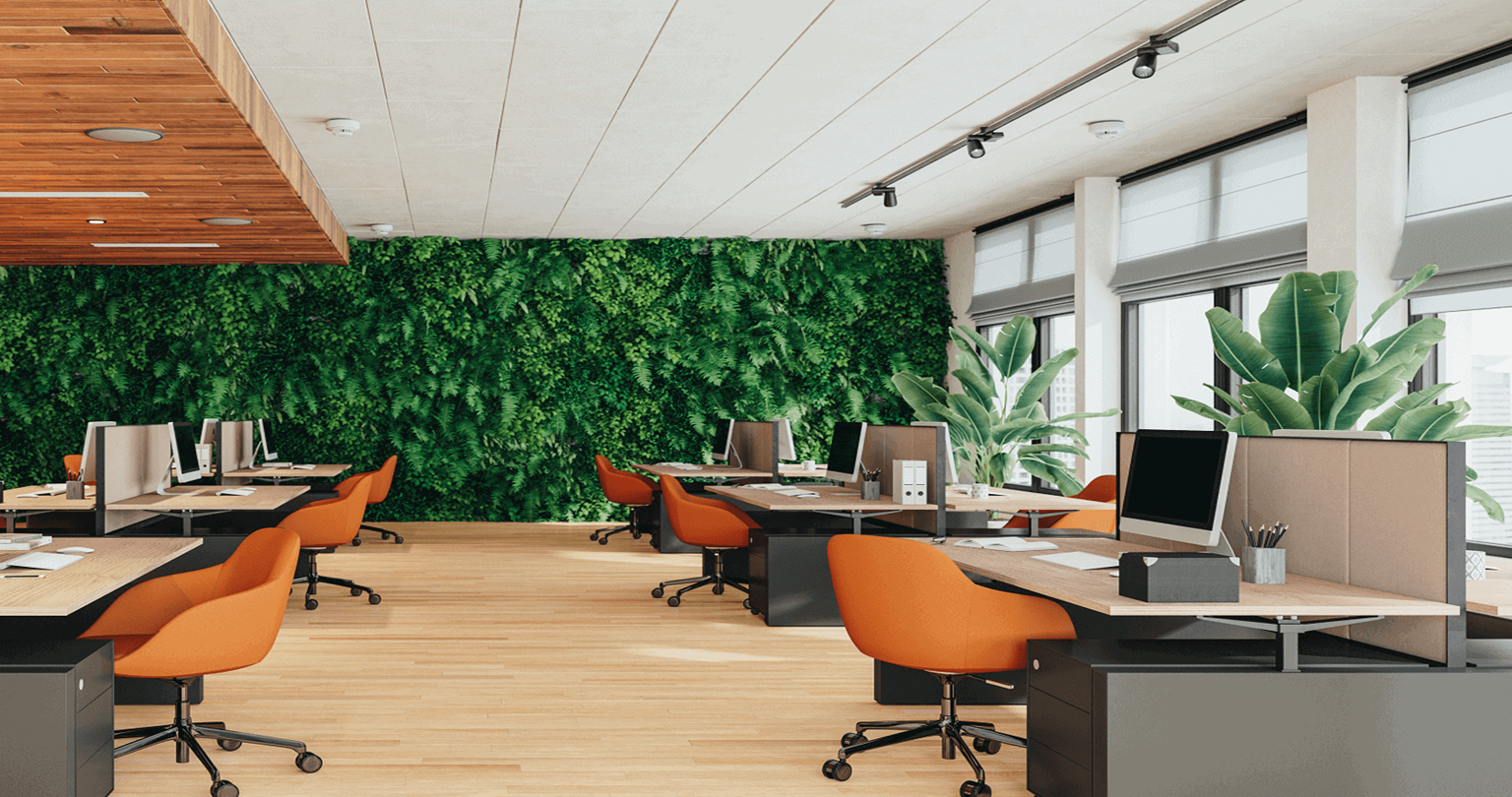
Nature improves mood and concentration. Adding indoor plants, green walls, or natural textures brings calmness to the workspace. Even small planters near desks can reduce visual fatigue.
Wood textures, stone elements, and daylight exposure strengthen this connection with nature. Employees feel less confined and more comfortable working for longer periods. Biophilic design also makes the office visually attractive for visitors and clients.
7. Open Office with a Luxury Feel
Open layouts improve communication but can sometimes feel noisy and crowded. A luxury open office solves this through smart zoning. Use partitions, planters, and furniture placement to create visual separation without blocking light.
Provide different types of seating such as standard desks, standing desks, and small focus pods. This allows employees to choose where they work depending on their task. Clean cable management and uniform workstation design keep the area organized.
The result is an open yet structured environment where collaboration happens naturally without chaos.
8. Creative Wall and Branding Concepts
Walls are powerful storytelling elements. Instead of plain paint, use textured panels, subtle graphics, or framed visuals that represent company values. Timeline walls, mission statements, or product showcases help visitors understand the brand quickly.
Use branding carefully. The logo should be visible but not repeated excessively. Balanced placement keeps the office professional rather than promotional. Accent lighting can highlight important areas and guide attention naturally.
9. Pantry and Café Style Office Areas
A well-designed pantry improves employee satisfaction more than expected. A café-style layout with comfortable seating encourages informal interaction between teams. This often leads to spontaneous discussions and idea sharing.
Use durable countertops, easy-to-clean surfaces, and proper storage to maintain hygiene. Warm lighting and natural textures make the space inviting instead of purely functional.
When employees enjoy their breaks, they return to work refreshed and focused.
Each of these design ideas focuses on usability as much as aesthetics. A luxury office succeeds when every area supports comfort, communication, and brand identity while maintaining a consistent and elegant experience throughout the workspace.
How to Plan a Luxury Office Interior (Step-by-Step Guide)
Designing a luxury office should always begin with planning rather than decoration. When decisions are made step by step, the final workspace feels organized, comfortable, and purposeful instead of randomly styled.
Step 1: Understand Brand Identity
Start by defining how you want the office to feel. A law firm may prefer a formal and calm atmosphere, while a creative agency may want a more relaxed and energetic environment. Colors, materials, and layout should reflect company values so visitors immediately understand the brand personality.
Step 2: Space Planning and Layout
Measure the office area and divide it into functional zones such as workstations, cabins, meeting rooms, reception, and breakout areas. Proper circulation space is important so employees can move comfortably without disturbance. Avoid overcrowding desks because open breathing space improves concentration and reduces stress.
Step 3: Choose Materials and Finishes
Select materials that balance durability and elegance. Natural textures like wood, stone finishes, soft fabrics, and matte metals create a refined environment. Instead of mixing too many styles, follow a consistent design theme across all areas to maintain visual harmony.
Step 4: Allocate Budget Smartly
Luxury does not mean spending everywhere. Invest more in elements that impact daily use, such as ergonomic furniture, lighting quality, and acoustics. Decorative items should support the design but not consume most of the budget. Proper allocation ensures long-term value instead of short-term appearance.
Step 5: Integrate Technology Early
Plan electrical points, internet connections, and meeting room equipment before construction begins. Hidden wiring and smart automation keep the office clean and efficient. Late additions usually create clutter and extra cost.
Step 6: Hire Professionals
Working with experts in Commercial Interior Design helps avoid common mistakes. Professionals understand space planning, safety, and comfort requirements, ensuring the office looks premium and functions smoothly.
By following a structured approach, businesses create a workspace that feels luxurious, practical, and ready for daily operations.
Luxury Office Design Trends in 2026
Office design is continuously evolving as work culture changes. In 2025, luxury offices are focusing less on decoration and more on experience, comfort, and flexibility.
One major trend is the hybrid layout. Offices now include a mix of workstations, meeting pods, lounge seating, and quiet focus areas. Employees can choose where they want to work depending on their task, which improves productivity and satisfaction.
Wellness-focused design is also becoming important. Natural light, indoor plants, fresh air circulation, and comfortable seating are being prioritized to support physical and mental health. Companies understand that a healthy employee performs better than a stressed one.
Sustainable luxury is another growing trend. Instead of excessive materials, businesses are choosing eco-friendly finishes, energy-efficient lighting, and durable furniture. This not only reduces environmental impact but also lowers long-term operating costs.
Technology integration continues to advance. Smart lighting, automated temperature control, and seamless video conferencing systems are now expected in modern offices. These features simplify daily work and reduce distractions.
Finally, offices are taking inspiration from hospitality spaces. Warm lighting, soft textures, and welcoming layouts make workplaces feel less rigid and more comfortable, creating an environment where people actually enjoy spending time.
Common Mistakes to Avoid
While designing a luxury office, many businesses focus too much on appearance and forget daily usability. The most common mistake is overdesigning the space. Too many textures, colors, and decorative elements can make the office feel heavy and distracting instead of elegant.
Another mistake is ignoring comfort. Stylish chairs without proper support may look good but cause discomfort during long working hours. Lighting errors are also frequent. Excessive bright light creates strain, while dim lighting reduces focus and productivity.
Poor storage planning leads to clutter over time. Even a beautiful office loses its premium feel if documents and accessories remain visible everywhere. Many companies also copy designs directly from online inspiration without considering their actual workflow, which results in impractical layouts.
Luxury design should always support work activities. A balanced approach where comfort, functionality, and aesthetics work together ensures the office remains useful and visually refined for years.
Common Mistakes to Avoid
Many offices try to look luxurious but forget daily comfort. Overdecorating with too many colors and textures makes the space distracting instead of elegant. Stylish furniture without proper support also causes discomfort during long working hours.
Lighting mistakes are common. Very bright light creates eye strain, while dim light reduces focus. Poor storage planning leads to clutter, which quickly removes the premium feel of the office.
Another issue is copying designs from the internet without understanding workflow needs. A luxury office should support work activities. Balanced planning keeps the workspace comfortable, practical, and visually refined for the long term.