
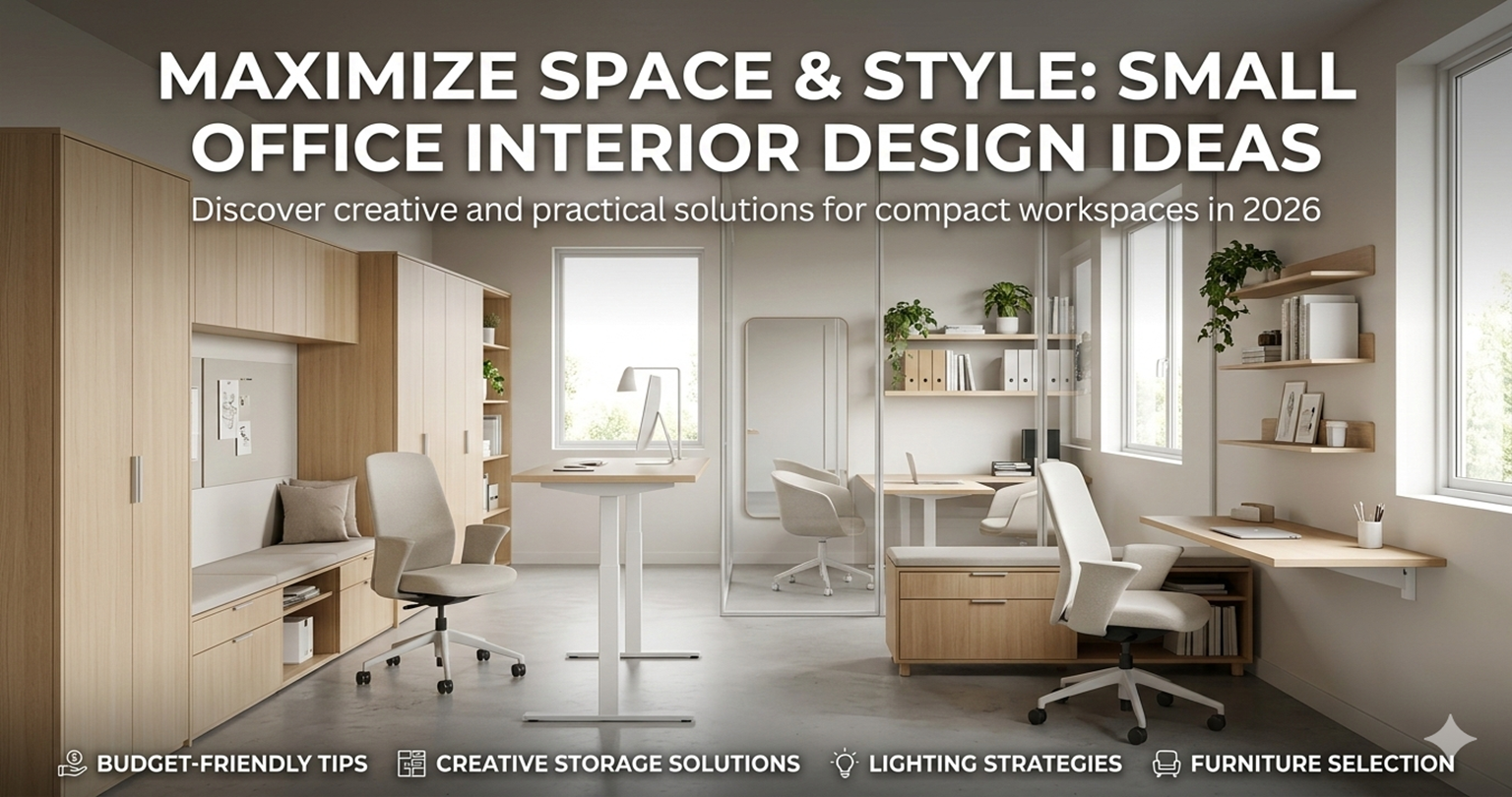
Small offices are becoming more common today. Startups, freelancers, consultants, and growing businesses often begin with limited space. While a small office may seem challenging, it can actually become a highly efficient and stylish workspace when designed properly. The key is to use every square foot wisely without making the area feel crowded or uncomfortable.
Many businesses think that only large offices can look professional and impressive. However, smart interior design can transform even a compact space into a productive and visually appealing environment. With the right layout, furniture, lighting, and storage solutions, a small office can feel open, organized, and welcoming.
Poor planning in a small office often leads to clutter, lack of storage, and restricted movement. This not only affects productivity but also creates stress for employees. On the other hand, a well-designed small office improves focus, encourages collaboration, and leaves a strong impression on clients.
This is where thoughtful planning and expert guidance, including professional Commercial Interior Design strategies, can make a big difference. A structured design approach ensures that space is maximized without compromising style or comfort.
In this guide, you will discover practical and creative small office interior design ideas to maximize space and style. Whether you are setting up a new office or upgrading an existing one, these ideas will help you create a workspace that feels bigger, smarter, and more inspiring.
Understanding Small Office Design Challenges
Designing a small office may look simple at first, but it comes with unique challenges. Limited square footage is the biggest concern. When space is tight, every piece of furniture and every design choice must serve a clear purpose. Without proper planning, the office can quickly feel cramped and uncomfortable.
Storage is another common issue in small offices. Documents, office supplies, equipment, and personal items need organized storage. If there are no smart storage solutions, clutter builds up easily. Clutter not only makes the space look messy but also affects productivity and focus.
Lighting can also be a challenge. Many small offices do not have large windows, which limits natural light. Poor lighting makes the space feel smaller and can cause eye strain and fatigue. Choosing the right combination of natural and artificial lighting becomes essential in compact spaces.
Lack of privacy is another problem. In small offices, teams often sit close together. While this can improve communication, it may reduce concentration and create distractions. Balancing openness with private work areas requires careful layout planning.
Budget constraints are also common, especially for startups and small businesses. Companies often need cost-effective design solutions that still look professional and modern. This means making smart choices about materials, furniture, and decor.
Understanding these challenges is the first step toward creating an effective design. When businesses plan strategically and focus on functionality, even a small office can become a comfortable, stylish, and highly productive workspace.
Core Principles of Small Office Interior Design
Designing a small office requires careful thinking and smart decision-making. Since space is limited, every element must be functional, practical, and visually balanced. By following a few core principles, businesses can create a workspace that feels open, organized, and stylish without overcrowding the area.
1. Smart Space Planning
The foundation of small office interior design is smart space planning. Before selecting furniture or decor, it is important to understand how the space will be used. Identify different zones such as workstations, meeting areas, storage sections, and reception space. Even in a compact office, clear zoning improves workflow and reduces confusion.
Furniture should be arranged to allow smooth movement. Walkways must remain open, and desks should not block natural light. Instead of filling every corner, leave some breathing space to avoid a cramped look. Measuring the area carefully before purchasing furniture prevents costly mistakes.
A well-planned layout makes a small office feel larger and more comfortable. Proper planning ensures that the space supports productivity while maintaining a clean and professional appearance.
2. Multi-Functional Furniture
In small offices, furniture must do more than one job. Multi-functional pieces save space and improve efficiency. For example, desks with built-in storage eliminate the need for extra cabinets. Foldable tables can be used for meetings and then stored away when not needed.
Wall-mounted desks or floating workstations are excellent options for compact spaces. Storage-integrated seating, such as benches with hidden compartments, helps keep supplies organized.
Choosing slim and lightweight furniture instead of bulky items makes the office look open and modern. Multi-purpose furniture reduces clutter and maximizes available space without compromising comfort.
3. Vertical Space Utilization
When floor space is limited, vertical space becomes extremely valuable. Walls offer great opportunities for storage and decoration. Installing wall-mounted shelves, pegboards, or tall cabinets keeps important items organized while freeing up the floor area.
Floating shelves can hold books, files, and decorative items without taking up valuable desk space. Tall storage units draw the eye upward, creating the illusion of a higher ceiling.
Using vertical storage solutions keeps the office tidy and functional. It also prevents overcrowding and allows employees to move around freely. Making full use of wall space is one of the smartest ways to design a small office efficiently.
4. Light and Color Strategy
Lighting and color play a major role in making a small office feel larger. Light colors such as white, beige, soft grey, or pastel tones reflect more light and create an open atmosphere. Dark colors, when overused, can make the space feel smaller and heavier.
Maximizing natural light is essential. Keep windows clear of heavy curtains and use glass partitions instead of solid walls when possible. Mirrors can also reflect light and create a sense of depth.
Layered lighting, including overhead lights and task lighting, ensures proper brightness throughout the workspace. A well-planned light and color strategy makes the office feel fresh, energetic, and spacious.
5. Minimalism and Decluttering
Minimalism is especially important in small office interior design. Too many decorative elements or unnecessary furniture pieces can quickly overwhelm the space. Keeping the design simple and clean improves both functionality and visual appeal.
Hidden storage solutions help reduce visible clutter. Cable management systems keep wires organized and out of sight. Regularly reviewing and removing unused items also maintains a neat environment.
Professional Commercial Interior Design experts often recommend a balanced approach that combines simplicity with brand personality. A minimalist yet thoughtfully designed office creates a strong professional impression while maximizing space efficiency.
By applying these core principles—smart planning, multi-functional furniture, vertical storage, effective lighting, and minimalism—businesses can transform even the smallest office into a stylish and highly productive workspace.
Small Office Interior Design Ideas to Maximize Space
When designing a small office, creativity becomes your biggest advantage. The goal is to use smart design ideas that make the space feel open, organized, and stylish without overcrowding it. Below are practical small office interior design ideas that help maximize space while maintaining a professional look.
1. Open Layout Concepts
An open layout works extremely well in small offices. Too many walls or solid partitions can make the space feel tight and restricted. Removing unnecessary barriers creates better flow and improves communication between team members.
Instead of traditional walls, consider glass partitions. Glass allows light to pass through, making the office appear larger and brighter. It also maintains a sense of privacy without blocking visibility.
If possible, use flexible dividers that can be moved when needed. This allows the office layout to adapt to meetings, teamwork, or focused work sessions. An open layout reduces visual clutter and gives the office a modern, airy feel.
2. Creative Storage Solutions
Storage is one of the biggest challenges in small offices, but smart solutions can solve this problem easily. Under-desk drawers help keep essential items within reach while maintaining a clean desktop. Floating cabinets mounted on walls free up valuable floor space.
Built-in storage units are another effective option. Custom-designed cabinets that fit perfectly into corners or unused areas make the most of available space.
Consider using vertical file organizers or wall-mounted racks for documents. Keeping storage off the floor makes the office look more organized and spacious. Creative storage ideas prevent clutter and improve overall efficiency.
3. Smart Lighting Techniques
Lighting plays a powerful role in small office interior design. A poorly lit space feels smaller and less inviting. To maximize space visually, combine natural and artificial lighting.
If your office has windows, avoid heavy curtains that block sunlight. Use sheer blinds to allow natural light to enter. For artificial lighting, choose layered lighting solutions. Ceiling lights provide general brightness, while task lights on desks improve focus.
LED strip lighting under shelves or cabinets adds a modern touch while improving visibility. Warm lighting can create a welcoming environment, while cool lighting enhances alertness. Proper lighting makes the office feel open, energetic, and comfortable.
4. Compact Yet Stylish Furniture
Choosing the right furniture is essential in small offices. Large and bulky desks can dominate the space and reduce movement. Instead, opt for slim desks with clean lines and lightweight materials.
Modular seating arrangements allow flexibility. Chairs that can be stacked or easily moved help when rearranging the space for meetings. Foldable conference tables are ideal for offices that require occasional collaboration areas.
Furniture with built-in storage provides additional benefits. For example, a desk with drawers or shelves eliminates the need for extra cabinets. Compact furniture not only saves space but also enhances the overall design style.
5. Glass and Reflective Elements
Glass and reflective surfaces can visually expand a small office. Glass tables, partitions, or doors make the room appear less crowded. Transparent materials reduce the feeling of heaviness in compact areas.
Mirrors are another simple yet effective design trick. Placing a mirror opposite a window reflects natural light and creates depth. Even glossy finishes on cabinets or desks can enhance brightness.
Using reflective elements strategically adds sophistication while making the office feel more spacious.
6. Greenery and Decor Accents
Adding greenery is one of the easiest ways to improve small office interiors. Indoor plants not only enhance aesthetics but also improve air quality and create a calming environment. Small potted plants on desks or vertical plant walls work well in compact areas.
Keep decorative elements minimal. Simple wall art, brand graphics, or motivational quotes add personality without overwhelming the space. Choose decor that aligns with your brand identity and color scheme.
The key is balance. Too many decorative items can make a small office feel cluttered, but thoughtful accents create warmth and character.
By combining open layouts, smart storage, proper lighting, compact furniture, reflective elements, and greenery, small offices can achieve both functionality and style. These ideas prove that even limited space can deliver a big impact when designed thoughtfully.
Stylish Design Themes for Small Offices
Choosing the right design theme is important when planning a small office. A clear theme creates consistency, improves visual appeal, and reflects your brand identity. Even in compact spaces, the right style can make the office feel bigger, brighter, and more professional.
One popular option is the modern minimalist theme. This style focuses on clean lines, simple furniture, and neutral colors. White, beige, and light grey tones help create an open and airy feel. Minimal decor, clutter-free desks, and smart storage solutions keep the space organized. Modern minimalist design works especially well for small offices because it avoids visual overload.
Another great choice is the industrial style. This theme uses elements like exposed brick walls, metal frames, and wooden textures. While industrial design often feels bold, it can still work in small spaces when balanced with lighter colors and good lighting. Slim furniture and open shelving maintain a spacious look while adding character.
Scandinavian design is also ideal for compact offices. It combines functionality with simplicity. Light wood finishes, soft color palettes, and plenty of natural light define this style. Scandinavian interiors feel warm and welcoming without being heavy. The focus on practicality makes it perfect for small office interior design.
For businesses that want a more corporate appearance, a contemporary professional theme works well. Neutral tones, glass partitions, sleek furniture, and subtle branding elements create a polished environment. This theme is suitable for consulting firms, financial offices, and service-based businesses.
When selecting a theme, always consider your brand personality and daily work needs. The design should not only look stylish but also support productivity. A well-chosen theme ensures your small office feels cohesive, comfortable, and aligned with your business goals.
Budget-Friendly Small Office Design Tips
Designing a small office does not always require a large budget. With smart planning and creative thinking, you can create a stylish and functional workspace without overspending. The key is to focus on practical upgrades that deliver maximum impact at minimal cost.
Start by repurposing existing furniture. Instead of replacing everything, consider refinishing desks, repainting cabinets, or changing hardware to give old pieces a fresh look. Sometimes, small updates can completely transform the appearance of the office.
DIY decor is another cost-effective solution. Simple wall art, framed brand messages, or painted accent walls can add personality without high expenses. Using removable wallpaper or decals is also an affordable way to introduce style.
Lighting upgrades can make a big difference without major investment. Switching to energy-efficient LED lights improves brightness and reduces electricity bills. Adding desk lamps for task lighting enhances functionality while keeping costs controlled.
Storage improvements do not have to be expensive. Wall-mounted shelves, pegboards, and affordable organizers help reduce clutter and free up floor space. Keeping the office tidy instantly makes it look more professional.
Instead of renovating everything at once, plan gradual upgrades. Prioritize the most important areas first, such as workstations and lighting, then improve other sections over time.
Working with professionals in Commercial Interior Design can also help you manage your budget wisely. Experts can suggest cost-effective materials and smart layout strategies that prevent unnecessary expenses.
With thoughtful decisions and strategic planning, even a small budget can create a modern, organized, and inspiring office space.
Common Mistakes to Avoid in Small Office Design
Designing a small office requires careful planning. Even small mistakes can make the space feel crowded, uncomfortable, or unprofessional. By understanding common errors, businesses can create a more functional and attractive workspace.
One common mistake is overdecorating. Adding too many decorative items, artwork pieces, or bold patterns can overwhelm a small space. While personalization is important, too much decor creates visual clutter. Keeping the design simple and balanced helps maintain a clean and spacious look.
Using dark colors excessively is another error. Dark walls and heavy furniture can make the office feel smaller and closed in. Instead, lighter colors reflect more light and create an open atmosphere. If you prefer darker tones, use them as accents rather than dominant colors.
Choosing bulky furniture is also a frequent problem. Large desks and oversized chairs reduce movement and take up valuable floor space. Compact and multi-functional furniture works much better in small offices.
Poor cable management can quickly make the office look messy. Visible wires and tangled cords create clutter and reduce the professional appearance of the workspace. Using cable organizers and hidden wiring solutions keeps the office neat.
Lastly, ignoring employee comfort is a major mistake. Even in small spaces, ergonomic chairs, proper lighting, and enough breathing room are essential. A comfortable office supports productivity and overall well-being.
How to Plan Your Small Office Interior Design Project
Planning is the most important step in creating a successful small office interior design. Without a clear plan, it is easy to waste space, time, and money. A structured approach ensures that every design decision supports your business needs and maximizes available space.
Start by assessing your requirements. Identify how many employees will use the space and what type of work they do. Determine whether you need private cabins, collaborative zones, storage areas, or a small meeting space. Understanding daily operations helps you prioritize design elements.
Next, measure the space carefully. Accurate measurements prevent purchasing furniture that does not fit properly. Create a basic floor plan to visualize where desks, storage units, and walkways will be placed. Ensure that there is enough room for comfortable movement.
Set clear goals for your project. Decide whether your focus is improving productivity, enhancing brand image, increasing storage, or all of these. Establishing goals makes it easier to make design choices.
If possible, consult professionals experienced in Commercial Interior Design. Experts can recommend smart layouts, cost-effective materials, and efficient space-saving solutions. They also ensure that safety and compliance standards are met.
Finally, create a realistic timeline and implement the design in phases if needed. Careful planning transforms even a compact office into a stylish and highly functional workspace.
Conclusion: Small Space, Big Impact
A small office does not mean limited possibilities. With smart planning and thoughtful design, even a compact workspace can look stylish, professional, and highly functional. The key is to focus on space optimization, smart storage, proper lighting, and minimal clutter. When every element is carefully chosen, a small office can feel open and comfortable rather than cramped.
From selecting multi-functional furniture to using vertical storage and light color palettes, small office interior design is all about making intentional choices. A clear layout improves workflow, while the right design theme strengthens brand identity. Even budget-friendly upgrades can create a big visual and practical impact when done strategically.
Most importantly, employee comfort should always remain a priority. A well-designed office supports productivity, creativity, and overall job satisfaction. When employees feel comfortable and motivated, business performance naturally improves.
By applying the ideas shared in this guide, businesses can transform small spaces into inspiring work environments. With the right approach, a small office can truly deliver a big impact.