
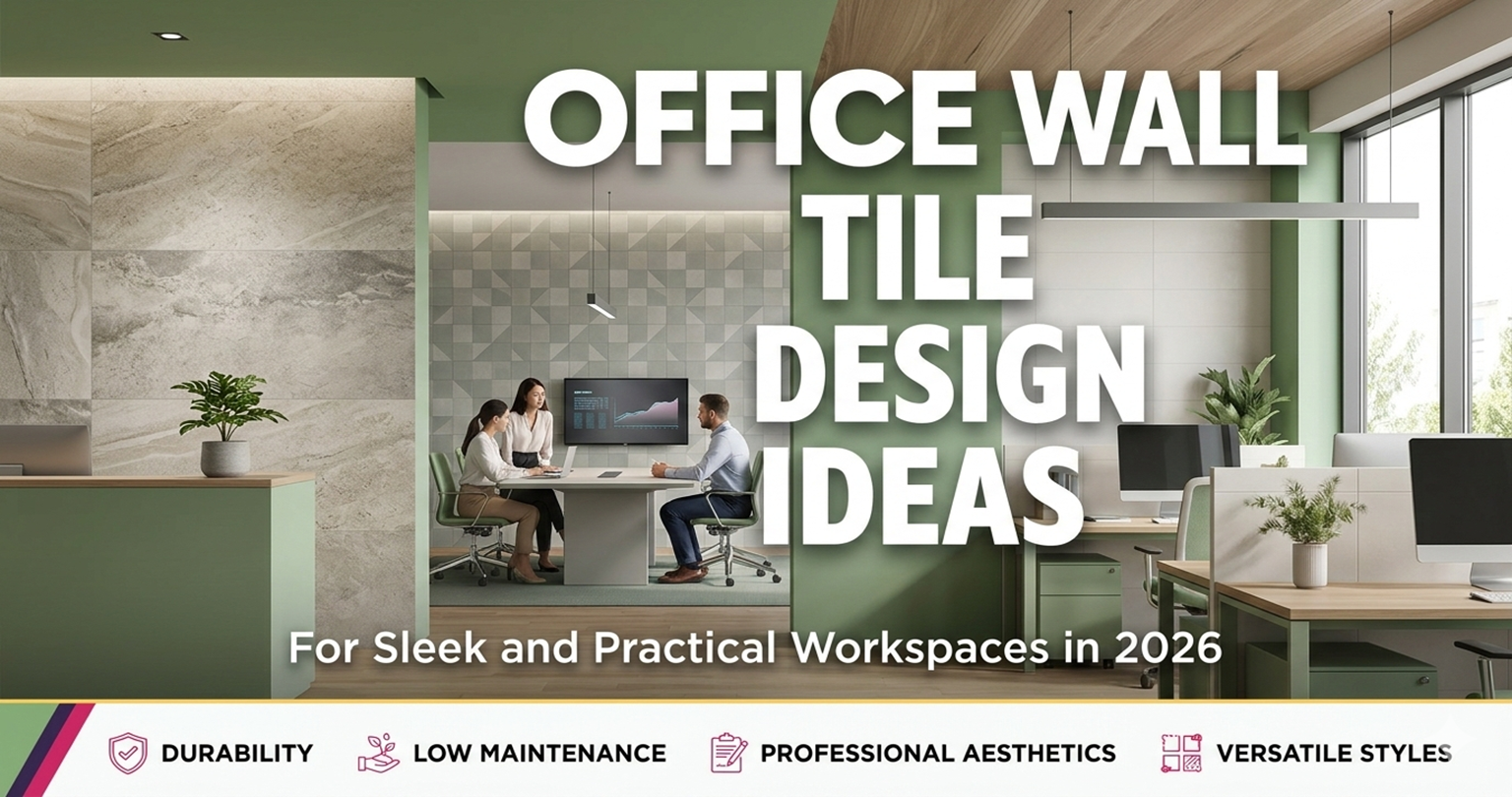
In modern office design, walls are no longer treated as simple background elements. They play a major role in shaping the overall look and feel of the workspace. From reception areas to meeting rooms, well-designed walls can create a strong first impression and influence how employees and clients perceive the environment. This is where office wall tile design ideas become highly relevant.
Wall tiles offer a sleek and practical solution for professional workspaces. Unlike plain paint, tiles provide durability, texture, and long-term value. Offices experience daily wear and tear, especially in high-traffic areas. Tiles are resistant to stains, scratches, and moisture, making them a reliable choice for maintaining a clean and polished appearance.
Modern office wall tiles come in a wide variety of materials, finishes, and patterns. Whether you prefer a minimalist look, a stone finish, or textured designs, tiles allow you to combine style with practicality. They can be used to create accent walls, highlight branding areas, or add sophistication to executive cabins.
When selected thoughtfully, often with guidance from experts in Commercial Interior Design, wall tiles enhance both aesthetics and functionality. They help create work environments that look professional while remaining easy to maintain.
In this guide, you will explore smart and stylish office wall tile design ideas that transform ordinary walls into sleek and practical design features.
Benefits of Using Wall Tiles in Office Interiors
Wall tiles are becoming a popular choice in modern office interiors because they combine durability with style. Unlike painted walls that may require frequent touch-ups, tiles offer long-lasting performance and maintain their appearance for years. This makes them a practical solution for busy work environments.
One of the biggest benefits of using wall tiles in offices is durability. Offices experience constant movement, furniture shifts, and regular cleaning. High-quality tiles resist scratches, stains, and minor impacts, making them suitable for reception areas, corridors, and meeting rooms. Their strong surface ensures that walls remain neat and professional even in high-traffic zones.
Easy maintenance is another major advantage. Most wall tiles are simple to clean with basic cleaning products. They do not absorb stains easily, and dust or marks can be wiped away quickly. This helps maintain a hygienic and polished workspace without much effort.
Wall tiles also enhance the professional appearance of an office. With various finishes such as matte, glossy, textured, or stone-inspired designs, businesses can create sleek and sophisticated interiors. Tiles add depth and character to walls, making the office feel more refined compared to plain painted surfaces.
In areas like pantry spaces or wash zones, tiles provide moisture resistance, preventing damage caused by humidity or spills. This practical benefit increases their long-term value.
Overall, office wall tiles offer a balance of style, strength, and cost-effectiveness. They are a smart investment for businesses that want practical yet visually appealing workspaces.
Key Factors to Consider Before Choosing Office Wall Tiles
Selecting the right wall tiles for your office is an important decision. While office wall tile design ideas can make a workspace look sleek and modern, choosing the wrong tiles can affect both appearance and functionality. Before finalizing your selection, it is essential to evaluate several practical and aesthetic factors to ensure the tiles support your office needs.
1. Office Size and Layout
The size and layout of your office play a major role in tile selection. In smaller offices, light-colored tiles help create a sense of openness and brightness. Shades like white, beige, soft grey, or pastel tones reflect light and make the space feel larger. Using large-format tiles in compact areas can also reduce visual clutter by minimizing grout lines.
In larger offices, you have more flexibility to experiment with textures and statement designs. Accent tile walls can highlight reception desks, branding areas, or executive cabins. However, it is important to avoid overusing bold patterns, as they may overwhelm the overall design. The goal is to enhance the space without making it visually heavy.
2. Tile Material Selection
Choosing the right material ensures durability and long-term performance. Ceramic tiles are affordable and available in various designs, making them suitable for general office areas. Porcelain tiles are more durable and resistant to moisture and stains, which makes them ideal for high-traffic zones or pantry areas.
Natural stone tiles, such as marble or granite finishes, add a premium and elegant touch to executive cabins and reception spaces. However, they may require more maintenance. Glass tiles can create reflective and modern surfaces, often used for accent walls.
Each material has different maintenance requirements and cost levels. Selecting the right option depends on usage, budget, and desired aesthetics.
3. Color and Texture Strategy
Color and texture influence the mood of a workspace. Neutral tones create a professional and calming environment, which works well in corporate offices. Darker tones can add sophistication but should be balanced with proper lighting.
Matte finishes offer a subtle and elegant look, reducing glare from artificial lighting. Glossy finishes reflect light and can make a space appear brighter, but excessive shine may feel overwhelming in large areas. Textured or 3D tiles add depth and visual interest without relying heavily on bold colors.
Choosing a consistent color palette that complements office furniture and branding elements ensures a cohesive design.
4. Lighting and Reflection
Lighting conditions significantly impact how wall tiles appear. In offices with abundant natural light, slightly darker or textured tiles can look balanced and stylish. In spaces with limited windows, lighter tiles help improve brightness.
Artificial lighting also plays a key role. Warm lighting enhances earthy tones, while cool lighting highlights grey and white shades. Reflective tiles can amplify light, but they should be used strategically to avoid glare.
Testing tile samples under actual office lighting conditions is always recommended before final installation.
5. Professional Planning and Installation
Even high-quality tiles can look unattractive if not installed properly. Professional planning ensures correct alignment, proper grout selection, and seamless finishing. Grout color should complement tile design rather than create distracting lines.
Seeking guidance from experts in Commercial Interior Design can help businesses select tiles that match their brand image and workspace needs. Professionals evaluate layout, lighting, and material durability before recommending the best solutions.
By carefully considering office size, material type, color strategy, lighting, and professional installation, businesses can confidently choose wall tiles that enhance both style and practicality. Thoughtful selection ensures that office wall tiles contribute to a sleek, functional, and long-lasting workspace design.
Modern Office Wall Tile Design Ideas
Modern office wall tile design ideas focus on creating sleek, professional, and practical workspaces. The right tile design can completely transform office interiors, making them visually appealing while maintaining durability. Below are some stylish and functional wall tile ideas suitable for contemporary office environments.
1. Minimalist Neutral Tiles
Minimalist neutral tiles are a timeless choice for professional offices. Shades like white, soft grey, beige, and light taupe create a clean and sophisticated appearance. These colors reflect light and make spaces feel open and organized.
Neutral tiles work well in reception areas, meeting rooms, and open-plan offices. They provide a simple backdrop that allows furniture, branding elements, and lighting features to stand out. Matte-finish neutral tiles are especially popular because they reduce glare and create a subtle elegance.
This design approach is perfect for businesses that want a sleek and clutter-free workspace.
2. Textured 3D Wall Tiles
Textured 3D tiles add depth and character to office walls. These tiles feature raised patterns, waves, or geometric textures that create visual interest without relying on bold colors.
3D wall tiles are ideal for accent walls behind reception desks or in executive cabins. When combined with soft lighting, the texture creates shadows that enhance the overall design. It is important to use textured tiles strategically rather than covering entire walls, as too much texture can feel overwhelming.
This option adds a modern and high-end touch to professional environments.
3. Marble and Stone Finish Tiles
Marble and natural stone-inspired tiles bring luxury and sophistication to office interiors. These designs replicate the elegant look of marble, granite, or travertine while offering easier maintenance.
Stone-finish tiles are excellent for reception areas and conference rooms where a premium impression is important. Light marble patterns create a refined and polished look, while darker stone tones add depth and authority.
These tiles combine durability with elegance, making them a practical yet stylish choice for modern offices.
4. Geometric Pattern Tiles
Geometric pattern tiles introduce creativity into professional workspaces. Subtle patterns such as hexagons, chevrons, or linear designs add movement and personality to walls.
In corporate offices, geometric tiles should be used in muted colors to maintain professionalism. They can highlight specific areas such as collaboration zones or feature walls in meeting rooms. When paired with simple furniture and clean layouts, geometric tiles create a modern and energetic environment.
This design works particularly well for companies in creative or technology-driven industries.
5. Brick-Style and Industrial Tiles
Brick-style tiles are perfect for offices with an industrial theme. These tiles replicate exposed brick walls, offering a modern yet slightly rustic appearance.
They work well in startup offices, creative agencies, and coworking spaces. Light grey or white brick tiles maintain brightness while adding texture. Dark brick finishes can create a bold statement but should be balanced with proper lighting and minimal decor.
Industrial-style tiles add character and warmth without sacrificing durability.
6. Glass and Metallic Accent Tiles
Glass tiles and metallic finishes add a contemporary and sophisticated touch to office interiors. Glass tiles reflect light and make smaller spaces appear larger. They are suitable for accent walls or pantry areas where a sleek finish is desired.
Metallic accents in silver, bronze, or gold tones can create subtle luxury. However, these finishes should be used carefully to avoid excessive shine. A small section of metallic tiles behind a reception desk or in a waiting area can create a strong visual impact.
This option works best as a highlight rather than a dominant design feature.
Modern office wall tile design ideas offer endless possibilities. From minimalist neutrals to textured surfaces and stone finishes, tiles can enhance both aesthetics and practicality. The key is to maintain balance. Choosing designs that align with brand identity, lighting conditions, and office layout ensures a cohesive and professional result.
By selecting the right wall tile style, businesses can create workspaces that look polished, durable, and aligned with modern design standards.
Wall Tile Ideas for Different Office Areas
When planning office wall tile design ideas, it is important to consider how different areas of the workspace are used. Each section of the office serves a unique purpose, and the tile design should support both function and appearance. Choosing suitable tiles for specific zones helps create a cohesive and practical work environment.
Reception Area
The reception area creates the first impression for clients and visitors. Wall tiles in this space should look professional, elegant, and welcoming. Marble-finish tiles or textured neutral tiles work very well behind the reception desk. A feature wall with subtle patterns or stone-inspired designs can add depth without overwhelming the space.
Large-format tiles are a smart option here because they create a seamless and polished look. Soft lighting combined with reflective or lightly textured surfaces enhances the overall visual appeal. Since this area experiences high traffic, durable and easy-to-clean tiles are essential.
Meeting Rooms
Meeting rooms require a calm and focused atmosphere. Neutral matte tiles in shades like grey, beige, or light brown create a professional setting that supports concentration. Avoid overly bold patterns, as they may distract participants during presentations or discussions.
Textured tiles can be used on one accent wall to add interest without making the room visually busy. Good acoustic balance is also important in meeting rooms, so combining tile finishes with soft furnishings can improve comfort and sound control.
Workstations and Open Offices
In workstation areas, simplicity works best. Light-colored tiles help maintain brightness and create a clean environment. Glossy finishes can reflect light and make the space feel larger, but matte finishes are often preferred to reduce glare from screens.
Using tiles sparingly in open-plan offices, such as on structural columns or partial walls, adds style without making the workspace heavy. The goal is to maintain a balanced and productive environment.
Pantry and Breakout Zones
Pantry areas benefit greatly from wall tiles due to their moisture resistance and easy maintenance. Ceramic or porcelain tiles are practical choices for these spaces. You can experiment slightly more with color and pattern in breakout zones to create a relaxed and inviting atmosphere.
Subtle geometric or textured designs can add warmth and character while still maintaining a professional tone.
Executive Cabins
Executive cabins often require a refined and sophisticated look. Marble-finish or stone-inspired tiles add authority and elegance. Darker tones can work well here if balanced with adequate lighting.
By selecting appropriate wall tile designs for each office area, businesses can achieve a sleek, practical, and visually cohesive workspace.
Office Wall Tile Trends in 2026
Office wall tile trends in 2026 focus on combining style, sustainability, and functionality. Businesses are moving beyond basic designs and choosing tiles that enhance both visual appeal and practical performance in professional workspaces.
One major trend is the use of large-format tiles. These tiles create a seamless and modern appearance by reducing grout lines. Fewer visible joints make walls look cleaner and more sophisticated. Large tiles are especially popular in reception areas and conference rooms where a sleek finish is desired.
Sustainable materials are also gaining attention. Many companies now prefer eco-friendly tiles made from recycled content or natural materials. Low-maintenance and long-lasting tiles reduce environmental impact while maintaining durability. This trend reflects a growing commitment to responsible office design.
Matte finishes continue to dominate modern interiors. Unlike glossy tiles, matte surfaces reduce glare from office lighting and computer screens. They provide a subtle, elegant look that suits professional environments.
Mixed-material feature walls are another emerging trend. Combining stone finishes with textured tiles or adding subtle metallic accents creates depth and character. These feature walls add personality without overwhelming the workspace.
Acoustic wall tiles are also becoming more common. Designed to absorb sound, these tiles help reduce noise levels in open-plan offices. They improve comfort while maintaining a stylish appearance.
Overall, office wall tile trends in 2026 emphasize simplicity, durability, and smart design choices that support both aesthetics and practicality.
Common Mistakes to Avoid with Office Wall Tiles
While office wall tile design ideas can enhance a workspace, poor planning or wrong choices can reduce both functionality and visual appeal. Avoiding common mistakes ensures that wall tiles contribute positively to the overall office environment.
One common mistake is overusing bold patterns. Statement tiles can look impressive, but covering large areas with strong designs may make the office feel busy and overwhelming. It is better to use bold tiles on accent walls and keep the remaining surfaces simple and balanced.
Another mistake is choosing overly glossy tiles in work areas. Highly reflective surfaces can create glare under artificial lighting and may cause discomfort, especially in offices where employees use computer screens for long hours. Matte or satin finishes are often more suitable for professional spaces.
Ignoring lighting conditions is also a frequent error. Tiles may look different under showroom lighting compared to actual office lighting. Always test samples in your workspace to evaluate color and texture properly.
Poor grout selection can affect the final look. A contrasting grout color may draw unnecessary attention to tile joints, while a matching grout creates a seamless finish. Selecting the right grout enhances the overall appearance.
DIY installation without professional expertise can lead to uneven alignment and visible flaws. Seeking guidance from experts in Commercial Interior Design helps ensure proper planning and flawless installation.
By avoiding these mistakes, businesses can create sleek, practical, and long-lasting office wall designs.
How to Choose the Right Wall Tiles for Your Office
Choosing the right wall tiles for your office requires careful planning and a clear understanding of your workspace needs. The first step is to assess the purpose of each area. Reception zones, meeting rooms, workstations, and pantry spaces all have different functional requirements. Identifying these needs helps you select tiles that match both design and practicality.
Next, set a realistic budget. Wall tiles come in various materials and price ranges. While it may be tempting to choose the most affordable option, investing in durable and low-maintenance tiles often provides better long-term value. Consider factors such as installation costs, maintenance needs, and longevity.
Always request tile samples before making a final decision. Place the samples in your office and observe how they look under natural and artificial lighting. This allows you to evaluate color accuracy, texture, and finish in real conditions.
Pay attention to material suitability. Porcelain and ceramic tiles are ideal for high-traffic areas due to their durability. Stone-finish tiles can add elegance to executive cabins, while textured tiles create stylish accent walls.
Consulting professionals experienced in Commercial Interior Design can simplify the selection process. Experts evaluate layout, lighting, and brand identity before recommending suitable tile options. They also ensure proper installation and finishing.
By following a structured approach, businesses can confidently choose wall tiles that enhance style, support functionality, and maintain a polished professional appearance.
Conclusion: Designing Sleek and Practical Office Walls
Office wall tile design ideas offer a smart way to enhance both the style and durability of professional workspaces. Walls play a major role in shaping the overall atmosphere of an office, and choosing the right tiles ensures they remain attractive and functional for years. From minimalist neutrals to textured finishes and stone-inspired designs, wall tiles provide endless possibilities for modern office interiors.
A well-planned tile selection balances aesthetics with practicality. Durable materials reduce maintenance needs, while carefully chosen colors and textures create a polished and welcoming environment. Different areas of the office, such as reception zones, meeting rooms, and executive cabins, benefit from tailored tile solutions that match their purpose.
It is also important to consider lighting, layout, and professional installation during the planning process. Avoiding common mistakes and focusing on long-term value ensures that wall tiles contribute positively to the workspace. When chosen thoughtfully, they enhance brand identity and create a strong impression on clients and visitors.
In today’s competitive business environment, every design detail matters. Sleek and practical wall tiles not only elevate office interiors but also support comfort and professionalism. With the right approach, businesses can transform ordinary walls into standout features that reflect modern design standards and long-term reliability.