
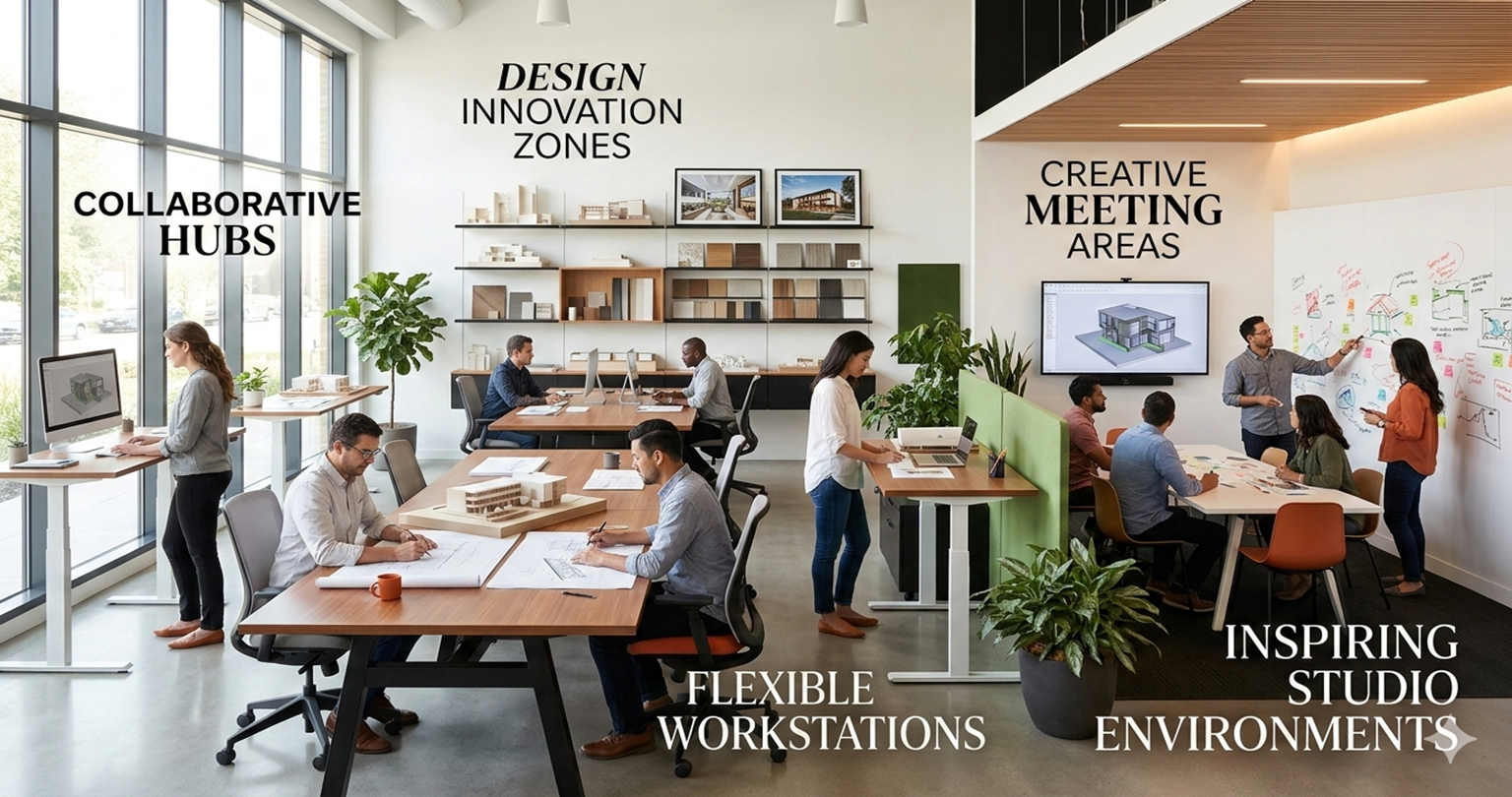
Architect offices are not just workplaces where technical drawings and project plans are created. They are creative environments where ideas develop, designs take shape, and teams collaborate to build innovative structures. Because of this, the interior design of an architect’s office plays an important role in supporting creativity, focus, and productivity.
A well-designed architect office can inspire new ideas and improve the overall work experience. When designers and architects work in an organized and visually appealing space, it becomes easier for them to think creatively and solve design challenges. Comfortable workstations, natural lighting, and open layouts can significantly influence how efficiently teams work.
Modern architecture firms also interact frequently with clients, consultants, and project partners. The office environment often reflects the design philosophy and professionalism of the firm. A thoughtfully designed workspace can create a strong first impression and demonstrate the company’s commitment to innovation and quality.
Today, many architecture studios are moving away from traditional office setups and adopting more flexible and inspiring workspace designs. Open studios, creative meeting areas, and collaborative zones are becoming common features in architect offices. These design ideas help teams share ideas quickly and work together more effectively on complex projects.
Creating such environments often requires thoughtful planning and expert design strategies. This is where professional Commercial Interior Design plays a key role. With the right approach to space planning, lighting, furniture, and layout, architect offices can become creative workspaces that support both productivity and innovation.
Why Office Interior Design Matters for Architects
The work environment plays a major role in how architects think, design, and collaborate with their teams. Since architecture involves creativity, technical precision, and teamwork, the design of the office space directly influences how efficiently professionals can perform their tasks. A well-planned office interior helps create a productive and inspiring workplace.
Impact on Creativity and Innovation
Architects spend a large part of their day developing concepts, sketching ideas, and working on design solutions. A visually appealing workspace filled with natural light, open space, and inspiring elements can stimulate creativity. When the environment feels comfortable and motivating, it becomes easier for architects to generate fresh ideas and explore new design possibilities.
Creative workspaces also encourage experimentation and collaboration. Design studios that include brainstorming zones, inspiration walls, or model display areas help teams share ideas and refine their concepts together.
Improving Team Collaboration
Architecture projects often require close coordination between architects, designers, and project managers. Office layouts that encourage communication can help teams work together more effectively. Open workstations, collaborative desks, and informal meeting areas allow team members to discuss ideas quickly and resolve design challenges.
When teams can communicate easily within the workspace, project workflows become smoother. This improves efficiency and reduces delays in design development and project coordination.
Enhancing Productivity and Client Experience
A well-organized office interior helps architects stay focused and manage their work efficiently. Proper lighting, ergonomic furniture, and well-planned layouts reduce distractions and create a comfortable working environment.
Architect offices also receive visits from clients who want to discuss projects and review designs. A professionally designed workspace creates a positive impression and reflects the firm’s design expertise. Many architecture firms invest in professional Commercial Interior Design solutions to create offices that support productivity while showcasing their creative identity.
Open Studio Layouts for Collaborative Work
Many architecture firms prefer open studio layouts because they encourage teamwork and creative discussions. Unlike traditional offices with closed cabins, open studios allow architects, designers, and project managers to work in a shared environment. This type of layout supports better communication and helps teams collaborate easily during the design process.
Benefits of Open Workspace Design
Open workspaces make it easier for architects to exchange ideas and discuss design concepts quickly. Instead of scheduling formal meetings, team members can simply interact with colleagues nearby. This constant flow of communication helps improve creativity and speeds up problem solving during complex design projects.
Open studios also create a more energetic and engaging work atmosphere. When professionals work in a shared creative environment, they often feel more connected to their team and motivated to contribute innovative ideas.
Flexible Workstations
Flexibility is another important feature of modern architect offices. Instead of fixed desks, many studios now use large shared worktables or modular desks that can be rearranged depending on project requirements. This setup allows teams to sit together while working on the same project.
Flexible workstations also make it easier to accommodate changing team sizes or different project groups. Architects can move their workspace according to collaboration needs, which helps improve workflow efficiency.
Balancing Openness with Focus Areas
While open studios encourage collaboration, architects also need quiet spaces for focused work. Designing small breakout zones, private work pods, or quiet rooms within the office can help balance teamwork with concentration.
This combination of open collaboration areas and focused work zones creates a well-balanced workspace. Many firms work with professional Commercial Interior Design experts to design office layouts that support both creativity and productivity in architecture studios.
Natural Lighting and Biophilic Design
Natural lighting and biophilic design play an important role in creating inspiring architect workspaces. Architects often spend long hours working on drawings, digital models, and project plans. A workspace filled with natural light and natural elements can improve comfort, reduce stress, and create an environment that supports creativity and productivity.
Importance of Natural Light in Design Studios
Natural light helps reduce eye strain and makes the workspace feel more open and welcoming. Large windows, skylights, and glass partitions allow sunlight to reach different areas of the office. This not only improves visibility but also creates a pleasant atmosphere where architects can work comfortably for long periods.
Bright and well-lit spaces also improve mood and energy levels. When architects work in environments with good natural lighting, they often feel more motivated and focused on their projects.
Using Indoor Plants and Natural Materials
Biophilic design focuses on connecting indoor spaces with nature. Adding indoor plants, natural wood finishes, and stone textures can make the workspace feel calm and refreshing. These elements bring warmth and balance to modern office environments that are often filled with screens and technical equipment.
Indoor plants also help improve air quality and create a relaxing atmosphere. Small green areas within the office can serve as visual breaks that help architects refresh their minds during long work sessions.
Large Windows and Glass Partitions
Glass partitions are widely used in modern architect offices because they allow natural light to flow throughout the workspace. Unlike solid walls, glass panels maintain openness while still separating different areas of the office.
Large windows can also provide outdoor views, which help create a stronger connection with the surrounding environment. This connection often inspires creativity and helps architects feel more connected to the spaces they design.
Many architecture firms rely on professional Commercial Interior Design solutions to incorporate natural lighting and biophilic elements effectively, creating workspaces that are both functional and inspiring.
Smart Storage and Organized Workspaces
Architect offices often handle large amounts of project documents, drawings, material samples, and design models. Without proper storage solutions, these materials can quickly create clutter and make the workspace difficult to manage. Smart storage systems help keep the office organized while allowing architects to access important resources easily during their projects.
Managing Drawings and Project Documents
Architectural drawings and blueprints require careful storage to keep them safe and easy to access. Many offices use specialized cabinets, vertical storage racks, or flat file drawers designed specifically for large-format drawings. These storage systems help protect documents from damage while keeping them well organized.
Digital storage solutions are also becoming common in modern architecture firms. Cloud storage and digital archives allow teams to store project files securely and access them whenever needed.
Minimalist Workstations
Minimalist workstations help reduce clutter and improve focus. Architects often work with multiple tools, devices, and documents, so keeping the desk area clean and organized is important. Using cable management systems, compact desk organizers, and hidden storage compartments helps maintain a neat workspace.
A clutter-free environment allows architects to concentrate better on their design work. It also makes the office look more professional and visually appealing.
Built-In Cabinets and Wall Storage
Built-in cabinets and wall-mounted storage units are effective solutions for saving space in architect offices. These storage systems can hold books, material samples, project files, and design tools without occupying valuable floor space.
Wall storage also helps keep frequently used resources within reach while maintaining an organized layout. Many firms choose professional Commercial Interior Design services to create customized storage systems that match the workflow and space requirements of modern architecture studios.
Creative Meeting and Brainstorming Areas
Architectural projects often require teamwork, discussions, and creative problem solving. For this reason, modern architect offices include dedicated meeting and brainstorming spaces where teams can exchange ideas freely. These areas allow architects, designers, and project managers to collaborate and refine design concepts more effectively.
Informal Discussion Spaces
Informal discussion areas create a relaxed environment where team members can share ideas without the structure of formal meetings. Comfortable seating, lounge areas, and small coffee tables encourage casual conversations about project concepts and design challenges.
These spaces also allow quick team discussions without interrupting the overall workflow. When architects have easy access to informal meeting zones, communication becomes faster and more natural during project development.
Whiteboard Walls and Idea Zones
Whiteboard walls are a valuable feature in architect offices because they allow teams to sketch ideas instantly. Architects often think visually, and having a surface where they can draw diagrams, layouts, or notes helps improve the brainstorming process.
Idea zones can also include pin boards, digital screens, or design inspiration walls. These elements allow teams to display references, sketches, and project concepts that support the creative design process.
Comfortable Seating for Design Discussions
Meeting areas designed for comfort can improve the quality of design discussions. Large tables, modular seating arrangements, and adjustable chairs allow teams to review drawings and models easily.
When architects feel comfortable during discussions, they can focus more on solving design challenges. Flexible seating layouts also make it easier to host client meetings or collaborative sessions with project partners.
Technology-Enabled Collaboration Spaces
Modern architect offices also integrate technology into their meeting spaces. Large presentation screens, digital whiteboards, and video conferencing tools allow teams to review designs and communicate with remote clients or consultants.
Technology-enabled collaboration spaces help improve efficiency and make design presentations more interactive. Many architecture firms rely on professional Commercial Interior Design services to create meeting environments that support creativity, communication, and advanced design collaboration.
Modern Furniture for Architect Offices
Furniture plays a crucial role in shaping the functionality and comfort of an architect’s workspace. Since architects spend long hours working on designs, drawings, and digital models, the furniture used in the office must support productivity and physical comfort. Modern furniture solutions help create work environments that are both practical and visually appealing.
Ergonomic Chairs and Adjustable Desks
Ergonomic furniture is essential for maintaining comfort during long work hours. Architects often sit for extended periods while working on computers or reviewing drawings. Ergonomic chairs with proper back support help reduce strain and improve posture.
Adjustable desks are also becoming popular in modern offices. These desks allow users to switch between sitting and standing positions, which can help reduce fatigue and improve overall health during long workdays.
Large Worktables for Design Projects
Architects frequently work with large drawings, blueprints, and physical models. Spacious worktables provide enough room to spread out documents and collaborate with team members. These tables also support group discussions when teams review project plans together.
Large shared tables can also encourage teamwork. When architects work around a common table, it becomes easier to exchange ideas and discuss design details during the development process.
Multi-Purpose Furniture Solutions
Modern architect offices often use furniture that serves multiple purposes. Modular desks, movable partitions, and foldable tables allow offices to adapt their workspace depending on project requirements.
Multi-purpose furniture helps save space while maintaining flexibility in the office layout. This adaptability is especially useful for growing architecture firms that need to adjust their workspace as teams expand. Many studios work with Commercial Interior Design professionals to select furniture that combines comfort, functionality, and modern aesthetics.
Display Areas for Projects and Models
Architect offices often create physical models, concept boards, and detailed project presentations. Display areas within the office allow teams to showcase these works and keep important design references visible. These spaces not only organize project materials but also create an inspiring environment where architects can review their progress and generate new ideas.
Showcasing Architectural Models
Architectural models are important tools used to visualize building designs. Dedicated display shelves or glass cabinets can protect these models while keeping them visible for the team. When models are displayed properly, architects can easily review details and discuss design improvements during project development.
Model display areas also make it easier to explain design concepts to clients and project partners. Seeing a physical representation of the project often helps clients understand the design better.
Portfolio and Project Display Walls
Many architect offices create portfolio walls where completed projects and concept boards are displayed. These walls may include project photographs, sketches, material samples, or digital prints that represent the firm’s design achievements.
Such displays act as a visual portfolio for visitors and potential clients. They help communicate the design style and experience of the architecture firm in a clear and engaging way.
Creating a Visual Inspiration Gallery
Inspiration galleries are another creative element in architect offices. These areas may include images of famous buildings, innovative design ideas, or reference materials that inspire architects during their work.
These visual displays encourage creativity and help teams explore new architectural concepts. Many architecture firms integrate such display areas through professional Commercial Interior Design strategies to create workspaces that inspire creativity while showcasing their design expertise.
Technology Integration in Architect Workspaces
Technology plays a vital role in modern architecture offices. Architects rely on advanced software, digital modeling tools, and high-performance computers to create and present their designs. Integrating the right technology into the workspace helps teams work more efficiently and improves the overall design process.
Digital Collaboration Tools
Architecture projects often involve collaboration between multiple teams, consultants, and clients. Digital collaboration tools allow architects to share drawings, models, and design updates in real time. Cloud-based platforms make it easier for team members to access project files from different locations.
These tools also improve communication between departments. Architects, engineers, and project managers can review designs together and make quick adjustments when needed.
Smart Lighting and Climate Control
Smart technology can also improve comfort and efficiency within architect offices. Automated lighting systems adjust brightness based on natural light levels, helping reduce energy consumption. Smart climate control systems maintain comfortable temperatures throughout the workspace.
These systems create a more comfortable working environment while also supporting sustainable office operations. Energy-efficient technologies are becoming an important part of modern office design.
High-Performance Workstations
Architects often use powerful software for 3D modeling, rendering, and technical drawing. High-performance computers and advanced graphics workstations are essential for handling these tasks smoothly. Workstations with multiple monitors also help architects view complex drawings and models more easily.
Reliable hardware allows architects to complete design tasks faster and avoid delays during project development.
Presentation and Visualization Screens
Large digital screens and presentation displays are useful for reviewing design concepts and presenting projects to clients. These screens allow teams to visualize architectural models, floor plans, and design simulations clearly.
Integrating technology into office spaces improves collaboration and efficiency. Many firms incorporate these features through professional Commercial Interior Design planning to create modern workspaces that support advanced architectural design processes.
Designing Future-Ready Architect Offices
Architecture firms are constantly evolving as technology, design trends, and project requirements change. Because of this, modern architect offices must be designed with flexibility and long-term growth in mind. A future-ready workspace supports creativity, adapts to changing team structures, and allows firms to work more efficiently in a dynamic industry.
Flexible Layouts for Growing Teams
Architect offices often expand as new projects and team members join the firm. Flexible office layouts make it easier to adjust the workspace without major renovations. Modular desks, movable partitions, and adaptable workstations allow teams to reorganize the office depending on project needs.
This flexibility ensures that the workspace can support both small project teams and larger collaborative groups. A well-planned layout helps maintain productivity even as the organization grows.
Sustainable Design Practices
Sustainability has become an important focus in modern office design. Many architecture firms aim to create environmentally responsible workspaces by using energy-efficient lighting, eco-friendly materials, and improved ventilation systems.
Incorporating sustainable elements not only reduces environmental impact but also creates a healthier workplace for employees. Natural lighting, indoor plants, and energy-efficient systems help improve both comfort and overall office efficiency.
Combining Creativity with Functionality
Future-ready architect offices must balance creativity with practical functionality. The workspace should inspire innovative thinking while still supporting everyday tasks such as meetings, design reviews, and project coordination.
By carefully planning layout, furniture, and technology integration, firms can create offices that encourage both collaboration and focused work. Many architecture studios rely on professional Commercial Interior Design expertise to design workspaces that remain functional, inspiring, and adaptable for years to come.